The Ultimate First Car Maintenance Guide for New UK Drivers in 2026

Congratulations on passing your test and getting your first car! But here's a sobering statistic: nearly 40% of young UK drivers admit they don't know basic car maintenance, leading to avoidable breakdowns and costly repairs. This first car maintenance guide UK is designed specifically for new drivers who want to keep their vehicle running smoothly, safely, and affordably. Whether you've just driven off the forecourt or inherited a family car, understanding essential maintenance is crucial for your safety and wallet. In this comprehensive guide, you'll learn exactly what to check, when to check it, and how to spot warning signs before they become expensive problems. We'll walk you through everything from checking your oil to understanding when your first service is due, giving you the confidence to take control of your car's health.
Understanding Your First Car Service: When and Why It Matters
One of the most common questions new drivers ask is: first car service when should I book it? The answer depends on whether your car is new or used, but the principle remains the same – regular servicing is essential for longevity and safety.
If you've purchased a new car, your first service typically falls due at 12 months or 12,000 miles, whichever comes first. Your manufacturer's handbook will specify the exact interval, and sticking to this schedule is crucial for maintaining your warranty. For used cars, check the service history to see when the last service was completed, then plan accordingly.
Car Servicing isn't just about changing oil – it's a comprehensive health check for your vehicle. A qualified mechanic will inspect critical components like brakes, tyres, suspension, and exhaust systems, identifying potential issues before they escalate. In 2026, with the rising cost of repairs, preventative maintenance through regular servicing saves you money in the long run.
What Happens During a First Service
Your first service typically includes an oil and filter change, fluid level checks, brake inspection, tyre pressure adjustment, and a visual examination of key components. The mechanic will also reset your service indicator light and stamp your service book, maintaining your vehicle's history. This baseline service establishes a maintenance record that proves invaluable when selling your car later.
Service Intervals for Different Driving Patterns
If you primarily make short journeys around town, your car works harder and may need more frequent servicing. Stop-start urban driving puts additional strain on the engine, brakes, and battery. Conversely, motorway miles are gentler on components. Discuss your typical driving pattern with your garage to establish the optimal service schedule for your circumstances.
Essential Car Maintenance for Beginners UK: Your Weekly Checks
Developing a weekly checking routine is the cornerstone of good car maintenance for beginners in the UK. These simple five-minute checks can help prevent breakdowns, improve fuel efficiency, and potentially save your life. You don't need mechanical expertise – just a willingness to look under the bonnet occasionally.
Start with a visual walk-around of your vehicle. Check for any obvious damage, flat tyres, or fluid leaks underneath. Look at your tyres for cuts, bulges, or uneven wear patterns. These visual cues often reveal developing problems before they become serious.
Next, check your lights. Ask someone to help you verify that all lights work correctly – headlights (both dipped and full beam), indicators, brake lights, and reverse lights. Faulty lights not only risk MOT failure but also endanger you and other road users, particularly during Britain's darker winter months.
Tyre Pressure and Tread Depth
Correct tyre pressure improves fuel economy, handling, and safety. Check your owner's manual or the sticker inside the driver's door for the correct pressures. Use a reliable gauge (available for under £10) and check when tyres are cold. The legal minimum tread depth in the UK is 1.6mm, but experts recommend replacing tyres at 3mm for optimal safety, especially in wet conditions that are common across Britain. There are typically wear blocks in between the treads on the tyres, if the block is flat with the tyre then there's a good chance your tyre needs replacing. Local tyre garages will check this for free for you.
Screen Wash and Wiper Blades
Visibility is crucial for safe driving. Keep your screen wash reservoir topped up with proper washer fluid – water alone freezes in winter and doesn't clean effectively. Check wiper blades monthly for splits or deterioration. If they're leaving streaks or juddering across the screen, replace them immediately. Quality blades cost around £10-20 and take minutes to fit.
How to Check Oil Beginners: A Step-by-Step Guide
Learning how to check oil beginners is perhaps the single most important maintenance skill for new drivers. Engine oil lubricates moving parts, reduces friction, and prevents catastrophic engine damage. Running low on oil can destroy your engine in minutes, resulting in repair bills running into thousands of pounds.
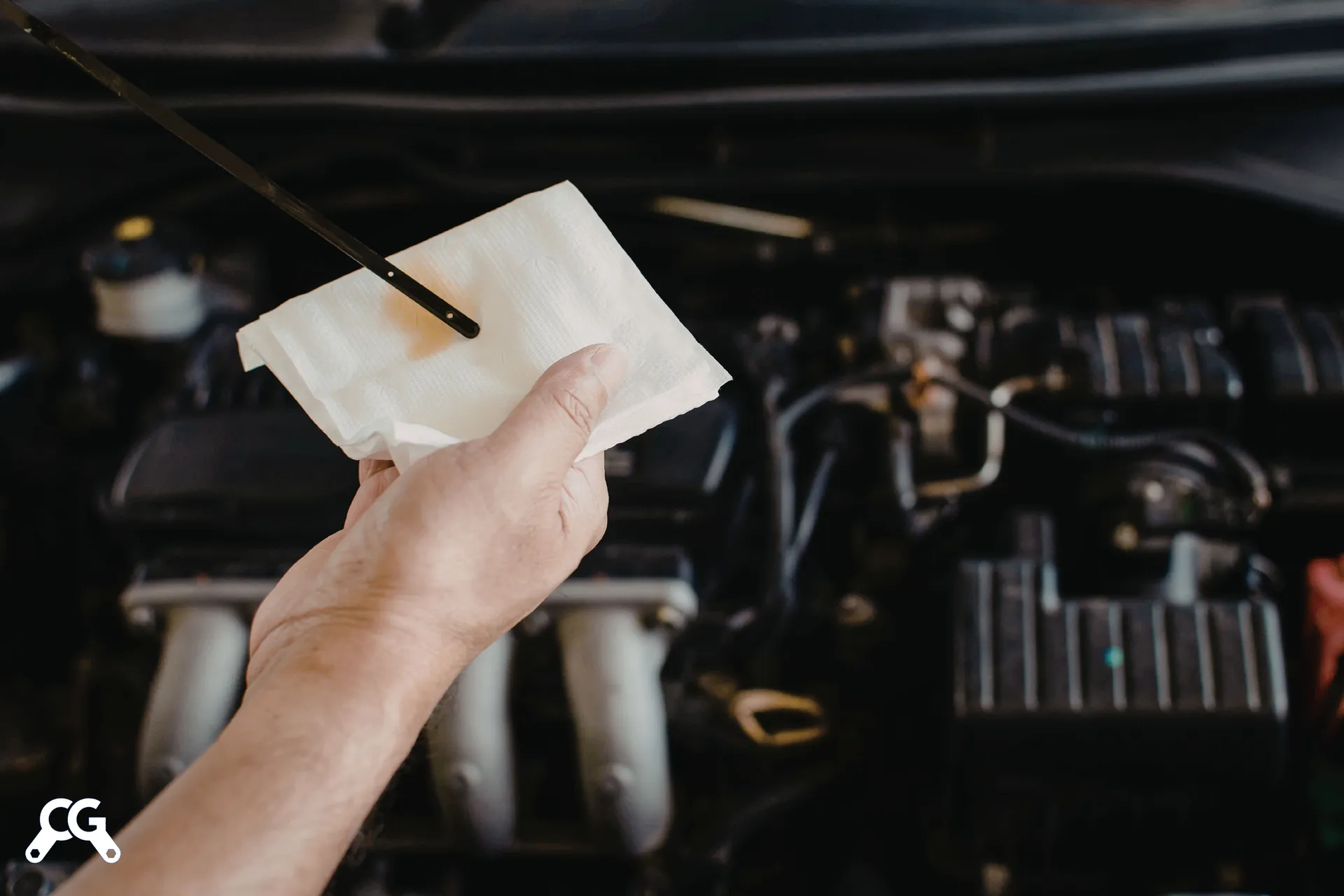
First, park on level ground and turn off the engine. Wait at least five minutes to allow oil to settle back into the sump. Locate the dipstick – usually a brightly coloured loop or handle near the front of the engine. Pull it out completely and wipe it clean with a lint-free cloth or kitchen paper.
Reinsert the dipstick fully, then remove it again. The oil level should sit between the minimum and maximum marks. If it's at or below the minimum, you need to add oil immediately. Check your handbook for the correct oil specification and location of your dip stick – using the wrong type can damage your engine.
Check Common Car Problems
Search 559 million UK MOT records by year, make and model.
Know what the work should cost — get prices from garages near you
Topping Up Your Engine Oil Correctly
Remove the oil filler cap (marked with an oil can symbol) and add small amounts at a time – around 100ml. Wait a minute for the oil to settle, then recheck the dipstick. Never overfill, as this can cause damage to seals and gaskets. If you're regularly topping up oil between services, your car may have a leak or be burning oil – consult a mechanic promptly. If your unsure, check your handbook or ask a local garage to check and top up for you.
Understanding Oil Colour and Condition
Fresh oil appears amber or golden, turning darker brown as it accumulates debris and breaks down. This is normal. However, if your oil looks milky or has a white foam consistency, it may indicate coolant contamination – a serious issue requiring immediate professional attention. Gritty or metallic particles suggest internal engine wear.
What Car Fluids to Check: Beyond Engine Oil
Understanding what car fluids to check is essential for comprehensive vehicle maintenance. Modern cars rely on multiple fluids, each serving a critical function. Neglecting these can lead to breakdowns, safety issues, and expensive repairs that could have been easily prevented.
Coolant (also called antifreeze) prevents your engine from overheating in summer and freezing in winter. The reservoir is usually a translucent plastic tank with minimum and maximum level markers. Check when the engine is cold – never remove the radiator cap when hot, as pressurised coolant can cause severe burns. The fluid should be brightly coloured (often pink, green, or blue) and sitting between the markers. Always check your handbook before attempting to remove any caps!
Brake fluid is perhaps the most safety-critical fluid in your vehicle. Low brake fluid levels can indicate worn brake pads or a leak in the braking system. The reservoir is typically located near the back of the engine bay and should contain clear or slightly amber fluid up to the maximum line. If it's dark or below minimum, have your brakes inspected immediately.
Power Steering and Transmission Fluids
Power steering fluid makes steering effortless. Some modern cars use electric power steering without fluid, but if yours has a reservoir (often with a steering wheel symbol), ensure it's topped up. Transmission fluid requires less frequent checking and is often sealed in modern vehicles. Consult your handbook for specific guidance, as checking procedures vary significantly between models.
Windscreen Washer Fluid
Though not critical for mechanical operation, washer fluid is essential for visibility and safety. Top up regularly using proper screen wash solution rather than plain water. Screen wash contains detergents for cleaning and additives that prevent freezing – crucial during British winters. Running out during a muddy motorway journey can be genuinely dangerous.
Creating Your New Driver Car Checklist: Daily, Weekly, and Monthly Tasks
Establishing a structured new driver car checklist helps you stay on top of maintenance without feeling overwhelmed. Breaking tasks into daily, weekly, and monthly routines makes car care manageable and ensures nothing gets overlooked.
Your daily checks should be quick and simple. Before driving, walk around your car looking for obvious issues – flat tyres, damage, or leaks. Inside, check that all dashboard warning lights extinguish after starting the engine. Any persistent warning lights require immediate investigation. Test your brakes in a safe location before joining traffic, ensuring they feel responsive and don't pull to one side.
Weekly tasks take around ten minutes. Check tyre pressures when cold, including the spare if you have one. Verify all lights work correctly. Look under the bonnet at fluid levels – oil, coolant, brake fluid, and screen wash. Check for any unusual smells or signs of leaks underneath the vehicle when you move it. Our free 44 point pre-MOT checklist can help guide you on what to check. Download yours for free today.
Monthly Maintenance Tasks
Once monthly, conduct a more thorough inspection. Check tyre tread depth using a 20p coin – if the outer band is visible when inserted into the tread, your tyres need replacing. Tyres also typically have a wear block indicator between the treads of your tyres. If the block is flat to the tread, there is a good chance your tyre needs replacing. Examine wiper blades for damage. Test all interior functions including air conditioning, heating, and entertainment systems. Clean your car inside and out – this helps you spot new damage or issues early.
Seasonal Considerations for UK Drivers
Britain's varied weather demands seasonal adjustments. Before winter time, check your battery (cold weather reduces capacity), ensure antifreeze concentration is adequate, and consider keeping an emergency kit in your boot.
Before summer time, check air conditioning performance and ensure your cooling system is functioning properly to handle higher temperatures and potential traffic congestion.
Understanding Warning Lights and When to Seek Professional Help
Modern cars communicate through dashboard warning lights, and understanding these is crucial for new drivers. Some lights indicate minor issues you can address yourself, while others signal serious problems requiring immediate professional attention.
Red warning lights always indicate serious issues. If the red brake warning light illuminates while driving, pull over safely and check your brake fluid level. If it's adequate, you may have a brake system fault – don't continue driving. The red engine temperature warning means your car is overheating – continuing to drive could destroy the engine. Stop immediately, allow the engine to cool, and investigate the cause.
Amber or yellow lights indicate caution. The engine management light suggests an emissions or engine performance issue. While you can usually continue driving, book an appointment with a garage soon. The tyre pressure monitoring light means one or more tyres are significantly underinflated – check and adjust pressures promptly. For comprehensive diagnostics and repairs, finding a trusted local garage is essential for maintaining your first car properly.
If your unsure with checking anything yourself, find a local trusted garage to check for you.
Battery and Charging System Warnings
The battery warning light indicates your charging system isn't working correctly. Your battery will eventually drain, leaving you stranded. You might manage a short journey to a garage, but don't rely on it for long trips. Similarly, if you experience difficulty starting or notice dimming lights, have your battery and alternator tested – most garages offer this service free of charge.
When DIY Isn't Appropriate
While basic checks and top-ups are within every driver's capability, know your limits. Brake repairs, suspension work, and electrical diagnostics require professional expertise and equipment. Attempting complex repairs without proper knowledge can compromise safety and potentially void your insurance. A reputable garage will always explain what work is necessary and why, helping you make informed decisions about your vehicle's care.
Frequently Asked Questions
How often should I check my car's oil level?
You should check your oil level at least once every two weeks, or before any long journey. This simple five-minute task can prevent catastrophic engine damage. If you notice you're regularly adding oil between services, consult a mechanic as this may indicate a leak or engine wear requiring attention.
What should I do if a warning light appears on my dashboard?
Red warning lights require immediate action – pull over safely and investigate or call for assistance. Amber lights indicate caution – you can usually continue driving but should book a garage appointment soon. Never ignore warning lights, as they indicate issues that will worsen if left unaddressed, potentially leading to expensive repairs or safety risks.
When is my first MOT due on a new car?
Your first MOT is due three years after your car's initial registration date, then annually thereafter. You can check your MOT due date here for free. Driving without a valid MOT (unless travelling to a pre-booked test) is illegal and invalidates your insurance.
How can I find a reliable garage for my first car service?
Look for garages with strong local reputations, transparent pricing, and qualified technicians. Check online reviews and ask fellow drivers for recommendations. A good garage will explain required work clearly, provide written estimates before proceeding, and maintain a stamped service record for your vehicle. Many new drivers find that using a reputable directory helps them locate trusted local garages that specialise in servicing and maintenance.
Local Insights
UK driving conditions present unique maintenance challenges that new drivers should understand. Britain's wet climate means brake systems and tyres work harder, requiring more frequent inspection. Cold winter temperatures affect battery performance and can cause fuel system issues if you don't keep your tank at least quarter-full. Salt used on winter roads accelerates corrosion, making regular washing important for long-term vehicle protection. Additionally, understanding UK-specific regulations like MOT requirements and DVSA standards ensures you remain legal and safe on British roads. The varied geography across England, Scotland, Wales, and Northern Ireland – from coastal areas with salt air to hilly regions demanding more from brakes and transmissions – means adapting your maintenance routine to your local environment.
Conclusion
Mastering basic car maintenance transforms you from a nervous new driver into a confident, responsible vehicle owner. The key takeaways from this first car maintenance guide UK are simple: establish regular checking routines, understand your dashboard warning lights, know when to seek professional help, and never ignore small problems before they become expensive disasters. By following the weekly checks, understanding what car fluids to check, and learning how to check oil beginners can master easily, you'll keep your first car running reliably for years. Remember that professional servicing complements your own efforts – even the most diligent owner needs expert eyes periodically. Ready to find trusted professionals for your first car's maintenance needs? Discover reliable garages through our comprehensive directory of garages near you, connecting new drivers with experienced mechanics who understand your needs. Take control of your car's health today – your future self will thank you for the breakdowns you prevented and the money you saved.