Pre-MOT Checklist: 15 Essential Things to Check Before Your MOT Test
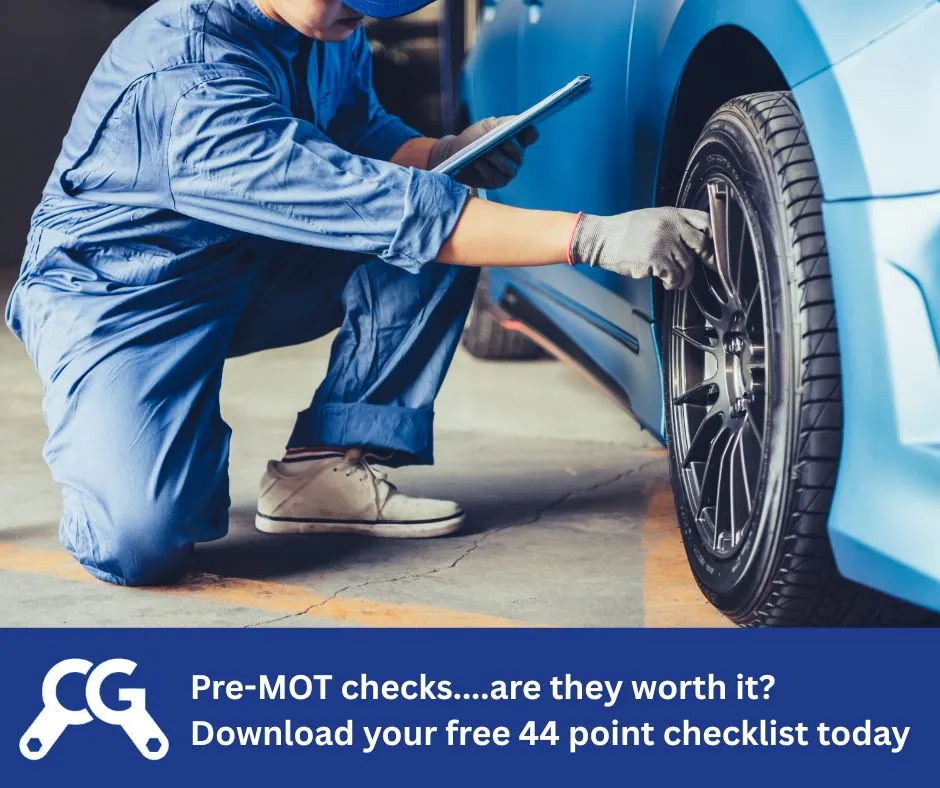
Every year, approximately 40% of UK vehicles fail their MOT test on the first attempt, often due to simple issues that could have been spotted and fixed beforehand. Having a comprehensive pre MOT checklist UK can save you time, money, and the inconvenience of a failed test. Whether you're a seasoned driver or facing your first MOT, knowing what to check before your test appointment is crucial. In this guide, you'll discover 15 essential pre MOT checks you can do yourself that could make the difference between passing and failing. We'll walk you through everything from lights and tyres to windscreen wipers and emissions, giving you the knowledge and confidence to prepare your vehicle properly and significantly increase your chances of success. We also have a free more detailed 44 point pre-MOT checklist for download.
Why a Pre-MOT Checklist Matters in 2026
A thorough MOT preparation checklist isn't just about passing your test—it's about ensuring your vehicle is safe, roadworthy, and compliant with UK regulations. The MOT test examines critical safety components, and preparing in advance gives you control over the outcome rather than leaving it to chance.
By conducting DIY MOT checks before your appointment, you can identify potential failures early. This approach allows you to fix minor issues yourself or budget for professional repairs, avoiding the surprise of an unexpected fail. Many of the most common things that fail an MOT are easily preventable with basic maintenance and attention to detail.
Moreover, arriving at your MOT test with a well-maintained vehicle demonstrates responsible vehicle ownership. It can also save you money in the long run, as catching problems early often prevents them from developing into more expensive repairs. Understanding how to pass your MOT first time starts with knowing what inspectors look for and addressing those areas proactively. Of course, if you don't feel confident in completing the pre-MOT checks yourself, always ask a qualified mechanic to do it for you.
1. Lights and Indicators: Ensuring Complete Visibility
Lighting failures are among the most common reasons vehicles fail their MOT test. Every single light on your vehicle must work correctly, and damaged lenses or housings can result in an immediate fail. This check is straightforward and takes just a few minutes but can prevent unnecessary failures.
What to Check
Walk around your vehicle and test all lights systematically. Start with headlights on both main and dipped beam settings, then check full beams. Test all indicators—front, rear, and side repeaters—ensuring they flash at the correct rate. Don't forget brake lights, reverse lights, rear fog lights, and number plate lights. Each must illuminate properly without flickering or dimness.
If you notice any bulbs out, replace them immediately. Most bulbs cost just a few pounds and can be changed at home with basic tools. Also inspect light lenses for cracks or damage, as broken lenses will fail the test even if the bulb works perfectly.
Headlight Alignment
While you can't easily test headlight alignment at home, if other drivers frequently flash you or your beams seem to point in unusual directions, your alignment may be off. Misaligned headlights will fail an MOT test. Consider having a garage adjust them before your test—many offer this service inexpensively as part of pre-MOT checks.
2. Tyres: Tread Depth, Condition, and Pressure
Tyre-related issues are consistently among the top things that fail an MOT. The legal minimum tread depth across the central three-quarters of the tyre is 1.6mm, but inspectors will fail your vehicle if any tyre falls below this threshold. Additionally, tyre condition matters just as much as tread depth.
Measuring Tread Depth
Use a tread depth gauge (available for under £5) or the 20p test: insert a 20p coin into the main grooves of your tyre. If you can see the outer band of the coin, your tread is below the legal limit. Check multiple points across each tyre, as wear can be uneven. Don't forget to check your spare tyre if your vehicle has one.
Inspecting Tyre Condition
Look carefully for cuts, bulges, or cracks in the tyre sidewalls and tread surface. Any damage that exposes the tyre's inner structure will result in an MOT failure. Also check for objects embedded in the tread, such as nails or screws. While you're at it, ensure all tyres are inflated to the manufacturer's recommended pressure—information usually found on a sticker inside the driver's door frame or in your vehicle handbook. If your not sure, search for a car tyre garage near you and pop in for a free inspection by a qualified mechanic.
3. Brakes: Performance, Condition, and Fluid
Your braking system is crucial for safety, making it a key focus during MOT testing. While you can't replicate the roller brake test used during the MOT, there are several pre MOT checks I can do myself to assess brake condition and performance before your appointment.
IMPORTANT: if you feel there is something wrong with your brakes, always get them checked out by a qualified mechanic as soon as possible. Most will investigate for free.
Testing Brake Performance
Drive your vehicle in a safe area and test the brakes at different speeds. They should respond smoothly and evenly without pulling to one side. Listen for any unusual noises like squealing, grinding, or clicking, which could indicate worn brake pads or damaged components. Your brake pedal should feel firm and responsive—if it feels spongy or travels too far before engaging, you may have air in the system or low brake fluid.
Checking Brake Fluid and Components
Pop your bonnet and locate the brake fluid reservoir. The fluid level should sit between the minimum and maximum markers. If it's low, top it up with the correct specification fluid for your vehicle. Also inspect visible brake components through your wheels—if you can see brake pads with less than 3mm of material remaining, they'll likely need replacing soon. Check brake discs for deep scoring or excessive rust, as severe damage will fail your MOT.
Handbrake Assessment
Your handbrake must hold the vehicle securely on a slope. Test it on an incline in a safe location—it should hold the vehicle without excessive lever or pedal travel. If your handbrake clicks more than usual or doesn't feel secure, it may need adjustment or repair before your MOT test.
4. Steering and Suspension: Smooth Operation
Problems with steering and suspension affect vehicle control and are taken seriously during MOT testing. While some issues require professional diagnosis, you can identify obvious problems that might cause failure.
Test your steering by turning the wheel from lock to lock while stationary. You shouldn't hear clunking noises or feel excessive play. When driving, the steering should feel responsive and direct without wandering or pulling to one side. Any unusual noises when turning or going over bumps could indicate worn suspension components.
Bounce each corner of your vehicle while it's parked. The vehicle should settle quickly after one or two bounces. If it continues bouncing, your shock absorbers may be worn and require replacement. Also check for any fluid leaks around suspension components, as leaking dampers will fail your MOT. If you notice any of these issues, have them inspected professionally before your test.
5. Windscreen and Wipers: Clear Vision Essential
Check Common Car Problems
Search 559 million UK MOT records by year, make and model.
Know what the work should cost — get prices from garages near you
Your windscreen must provide a clear, unobstructed view, and your wipers must clear it effectively. Even minor damage in specific areas can result in an MOT failure, making this an important part of your pre MOT checklist UK.
Windscreen Damage Assessment
Inspect your windscreen carefully for chips and cracks. The critical zone is the area directly in front of the driver, swept by the wipers. In this zone, any damage larger than 10mm will fail the test. Outside this zone, damage up to 40mm may be acceptable. However, any crack longer than 40mm anywhere on the windscreen constitutes a failure.
If you have minor chips, consider professional repair before your MOT. Many windscreen specialists offer quick, affordable chip repairs that prevent the damage from spreading and ensure you'll pass your test.
Wiper Blade Condition
Test your wipers on both slow and fast settings. They should clear the windscreen smoothly without leaving streaks, juddering, or missing areas. Inspect the rubber blades for splits, tears, or hardening. Damaged wiper blades cost just a few pounds to replace and are easy to fit yourself—most simply clip on and off. Also ensure your windscreen washer system works properly and is topped up with screenwash.
6. Mirrors: Secure and Intact
All mirrors fitted to your vehicle must be secure and provide a clear view. This includes your door mirrors and interior rear-view mirror. Check that each mirror is firmly attached and doesn't wobble excessively when touched. Electric mirrors must adjust properly when using the controls.
Inspect the mirror glass for cracks or damage. While minor scratches might be acceptable, any damage that significantly obscures the reflected view will fail the test. If your vehicle came with door mirrors fitted as standard, both must be present and functional—you cannot pass with one mirror missing. Replace any damaged mirrors before your MOT appointment, as this is one of the easier fixes on your MOT preparation checklist.
7. Horn: Audible Warning Device
Your vehicle's horn must work and emit a continuous or uniform sound that's loud enough to be heard by other road users. Test your horn in a suitable location where you won't disturb residents. If it sounds weak, intermittent, or doesn't work at all, it will fail your MOT.
Horn problems are often caused by faulty wiring, a blown fuse, or a failed horn unit. Check your vehicle's fuse box first—if the horn fuse has blown, replacing it might solve the problem. If the horn still doesn't work after checking the fuse, you'll need professional diagnosis before your test. This is a straightforward check but an easy thing to forget when preparing for your MOT.
8. Seatbelts: Safety Restraint Function
Every seatbelt in your vehicle must work correctly and be free from damage. Test each belt by pulling it out fully and allowing it to retract smoothly. The mechanism should lock when you pull sharply, simulating sudden braking. Check that buckles click securely and release properly when pressed.
Inspect the webbing carefully for fraying, cuts, or other damage. Even minor webbing damage can result in an MOT failure, as compromised seatbelts won't protect occupants effectively in a collision. Also ensure mounting points are secure and haven't pulled away from the bodywork. If you find any seatbelt issues, these must be repaired professionally before your MOT test—never attempt DIY seatbelt repairs, as they're critical safety components.
9. Registration Plates and VIN: Correct Identification
Your number plates must meet current legal requirements and be clearly readable. They should be clean, securely mounted, and correctly formatted with the proper font, spacing, and sizing. Plates must not be faded, cracked, or have letters/numbers that are unclear or incorrectly spaced.
Check that your registration number matches your vehicle's documentation exactly. Also ensure your Vehicle Identification Number (VIN) is visible and readable where fitted. The VIN is typically found on the dashboard visible through the windscreen, or on a plate under the bonnet. If your plates are damaged, non-compliant, or difficult to read, replace them before your test—legal replacement plates are inexpensive and available from registered suppliers. This is one of the simplest items on your pre MOT checklist UK to address.
10. Exhaust System and Emissions
Your exhaust system must be secure, free from excessive corrosion, and not emit excessive emissions. While you can't perform emission testing at home, you can check the physical condition of your exhaust and watch for warning signs that might indicate emission problems.
Visual Exhaust Inspection
With your vehicle safely raised or viewed from underneath, inspect the entire exhaust system from engine to tailpipe. Look for holes, severe rust, or sections that are hanging loose or separated. Check that all mounting brackets are secure and rubber hangers aren't perished or broken. Listen for unusual noises when the engine is running—blowing or hissing sounds indicate leaks that will fail your MOT.
Emission Indicators
Start your engine and observe the exhaust smoke colour. Light wisps of white vapour, especially when cold, are normal. However, excessive white smoke, blue smoke (indicating oil burning), or black smoke (suggesting rich fuel mixture) could indicate emission problems. If your check engine light is illuminated, this will fail your MOT—have the fault diagnosed and repaired first. Diesel vehicles with dashboard particulate filter (DPF) warning lights will also fail.
11. Fluid Levels: Essential Checks
While not all fluid levels are explicitly tested during an MOT, maintaining them properly ensures your vehicle performs correctly during the test and helps prevent component failures. Low fluid levels can indicate leaks that might cause failures.
Check your engine oil level using the dipstick—it should sit between the minimum and maximum markers. Low oil can cause engine damage and excessive emissions. Also verify coolant level in the expansion tank when the engine is cold. Check power steering fluid if your vehicle has hydraulic power steering (many modern vehicles use electric steering). Finally, ensure your brake fluid is at the correct level, as we mentioned earlier. If any fluid is significantly low, investigate the cause—persistent leaks will fail your MOT if they're severe enough to pose a safety hazard or environmental concern.
12. Body Condition and Corrosion
Your vehicle's body must be structurally sound without excessive corrosion, particularly around critical areas. The MOT test specifically examines corrosion that affects structural integrity or creates sharp edges that could injure people.
Inspect areas around seatbelt mounting points, suspension mounting points, and subframes. Look for rust that has caused holes or significantly weakened metal. Check door sills, wheel arches, and the underside of your vehicle if you can access it safely. Surface rust is generally acceptable, but corrosion that's penetrated through the metal or severely weakened structural components will fail.
Also check that doors, bonnet, and boot open and close securely with working latches. Any sharp edges caused by damage or corrosion, particularly those that could injure pedestrians, constitute an MOT failure. If you discover significant corrosion issues, these require professional welding and repair before your test and garages offering body repairs can be found on our directory.
13. Fuel System Security
Your fuel system must be secure without leaks or damage. While you shouldn't open or tamper with sealed fuel system components, you can perform basic visual checks as part of your DIY MOT checks.
With your vehicle running, check underneath for any signs of fuel leakage. Even a slight petrol or diesel smell could indicate a leak. Inspect visible fuel lines under the bonnet and underneath the vehicle for damage, deterioration, or loose connections. Check that your fuel filler cap fits properly and seals correctly—a missing or damaged cap will fail your MOT.
Never ignore fuel system issues, as they represent serious safety hazards. If you detect any fuel leaks or damage to fuel system components, have them repaired immediately by a qualified professional before your MOT appointment.
14. Dashboard Warning Lights
When you start your vehicle, various warning lights illuminate briefly before extinguishing. If any warning lights remain illuminated after starting, your vehicle will likely fail its MOT. This is a critical part of how to pass your MOT first time—addressing warning lights before your appointment.
Pay particular attention to lights indicating airbag faults, ABS problems, engine management issues, or braking system warnings. Any of these will result in failure. Also check that warning lights actually illuminate when you turn on the ignition—if bulbs have been removed to hide faults, this will be detected and constitute a failure.
If warning lights are illuminated, have the fault diagnosed using diagnostic equipment. Modern vehicles store fault codes that indicate specific problems. Don't attempt to simply disconnect the battery to clear lights, as this doesn't fix underlying issues and faults will quickly return. Address the root cause before your MOT test.
15. General Vehicle Condition
Several general aspects of vehicle condition are assessed during MOT testing. These might seem minor but can result in failure if overlooked in your pre MOT checklist UK.
Ensure your driver's view isn't obstructed by items hanging from the rear-view mirror, excessive dirt on windows, or stickers in critical viewing areas. Check that your speedometer works correctly and illuminates properly. Verify that your vehicle identification number matches documentation. Test that all doors open from inside and outside using both handles—emergency exit doors must be functional.
Also check that any accessories or modifications comply with regulations. Illegal modifications, dangerously positioned accessories, or non-compliant equipment will fail the test. Taking time to address these final details ensures nothing simple trips up your MOT success.
Common Things That Fail an MOT and How to Avoid Them
Understanding the most common things that fail an MOT helps you focus your preparation efforts effectively. Statistics from recent years consistently show that lighting faults, tyre problems, and brake issues account for the majority of failures.
Lighting failures are particularly frustrating because they're so easily preventable. Spending ten minutes checking all bulbs before your test could save you the inconvenience of a fail. Similarly, tyre checks take minimal time but prevent one of the most common failure reasons. Many drivers overlook checking their spare tyre or don't realise that a tyre with 1.7mm tread today might wear to below 1.6mm by test day.
Brake problems often develop gradually, so drivers may not notice declining performance. However, MOT testing equipment detects brake efficiency precisely. Having your brakes checked professionally a few weeks before your MOT gives time to address any issues. Remember that some problems, like worn suspension components or failing emissions systems, require professional diagnosis—don't leave these until the last minute if you notice warning signs.
Frequently Asked Questions
How far in advance should I do my pre-MOT checks?
Ideally, complete your pre MOT checklist about two to three weeks before your test date. This timing gives you adequate opportunity to identify issues and arrange repairs without rushing. For simple fixes like bulbs or wiper blades, you can check closer to your test date, but complex problems like brake or suspension issues need more lead time for professional diagnosis and repair.
What are the most common reasons for MOT failures?
The most common things that fail an MOT are lighting defects (headlights, indicators, and brake lights), tyre issues (insufficient tread depth or damage), brake problems (worn components or poor performance), and suspension defects. Together, these categories account for approximately 60% of all MOT failures. Most of these issues are preventable with proper pre-MOT preparation and regular vehicle maintenance.
Can I take my car for an MOT if I know it has a problem?
Yes, you can legally present your vehicle for MOT testing with known issues, but it will fail if those problems affect tested components. However, it's more cost-effective to fix known issues first. A failed MOT requires a retest (free within ten working days for partial retests, but you must get repairs done first), whereas addressing problems beforehand increases your chances of passing first time. If you have advisories not repaired from a previous MOT, these advisories could cause you to fail the next MOT so its recommended to get any advisories repaired in a timely manner.
Are pre-MOT checks the same as regular servicing?
No, pre-MOT checks focus specifically on items assessed during the MOT test, emphasising safety and emissions compliance. Regular servicing is more comprehensive, including maintenance items not tested in MOT examinations, such as oil changes, filter replacements, and timing belt inspections. However, well-maintained vehicles generally find MOT preparation easier, as many service items overlap with MOT requirements. Both are important for vehicle health and longevity.
Local Insights
UK drivers face specific challenges when preparing for MOT tests, particularly given our variable weather conditions and diverse road environments. British winters expose vehicles to salt and moisture, accelerating corrosion in critical areas examined during MOT testing. Similarly, the UK's mix of motorway, urban, and rural driving creates varied wear patterns on components like brakes and tyres. Understanding these regional factors helps explain why certain MOT failures are more common in Britain than elsewhere. The DVSA (Driver and Vehicle Standards Agency) sets rigorous standards reflecting UK road conditions, ensuring that vehicles passing their MOT tests are genuinely roadworthy for British driving environments throughout the year.
Conclusion
Following this comprehensive pre MOT checklist UK significantly improves your chances of passing your MOT test first time, saving you time, money, and inconvenience. By systematically checking these 15 essential areas—from lights and tyres to brakes and emissions—you're taking control of your vehicle's roadworthiness rather than leaving it to chance. Remember, many of these pre MOT checks I can do myself require no special skills or expensive tools, just a methodical approach and attention to detail. For items requiring professional expertise, addressing them well before your test date prevents last-minute stress. Whether you're confident tackling DIY MOT checks or prefer professional support, starting your preparation early is key to success. Find trusted garages for your pre-MOT checks near you who can help with professional inspections and repairs. Take action today, work through your MOT preparation checklist systematically, and approach your test with confidence knowing your vehicle is ready.