New MOT Rules 2026 UK: Essential Changes Every Driver Must Know
The new UK MOT rules for 2026 have officially come into force, bringing significant changes that affect every motorist across Britain. Whether you're a seasoned driver or recently passed your test, understanding these updated regulations is crucial to avoid fines, ensure your vehicle remains roadworthy, and pass your next MOT test without issues. The DVSA has introduced stricter requirements around emissions, safety checks, and documentation procedures that could catch unprepared drivers off guard. In this comprehensive guide, you'll discover exactly what has changed with the MOT test changes 2026, how the new photo requirements work, what additional checks are now mandatory, and most importantly, what you need to do to ensure your vehicle complies with the latest standards. Download our free 44 point pre-MOT checklist today.
What Are the Major MOT Changes 2026?
The DVSA MOT rules update for 2026 represents the most comprehensive overhaul of the MOT testing system in over a decade. These changes aim to improve road safety, reduce emissions, and modernise the testing process for contemporary vehicles.
The most significant change involves the introduction of mandatory photographic evidence during inspections. Testers must now capture images of specific components and defects, creating a visual record that provides transparency and accountability. This addresses longstanding concerns about inconsistencies between testing stations and gives vehicle owners clear evidence of any issues identified.
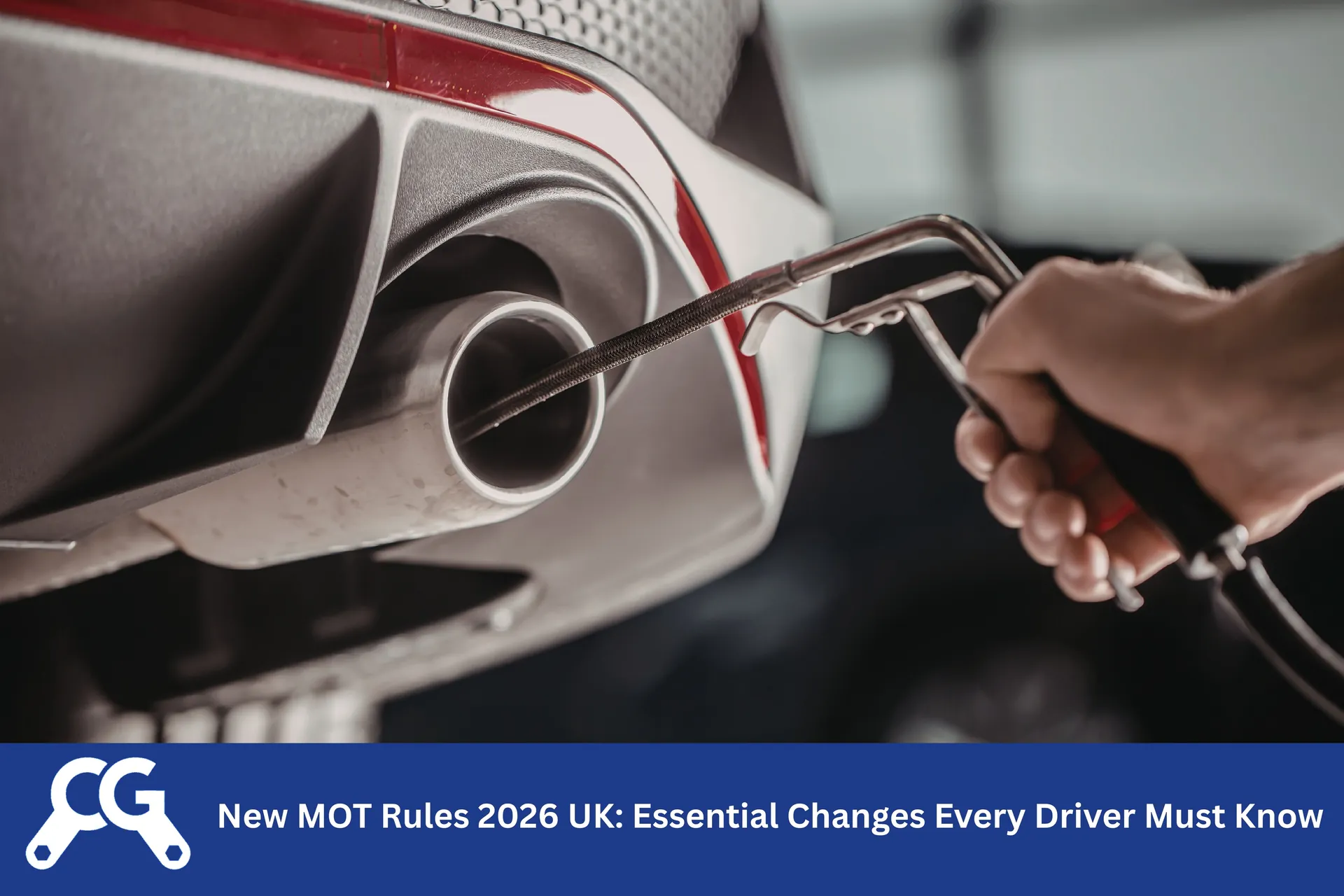
Additionally, diesel particulate filter (DPF) checks have become more stringent. Testers now use advanced equipment to detect removed or tampered DPF systems, with any evidence of modification resulting in an automatic failure. The new regulations also introduce stricter limits for diesel smoke emissions, reflecting the UK's commitment to improving air quality.
Electric and hybrid vehicles face new battery and electrical system checks. As these vehicles become increasingly common on British roads, the MOT framework has adapted to ensure their safety systems function correctly. This includes inspections of high-voltage cables, battery condition indicators, and regenerative braking systems.
Photographic Documentation Requirements
Under the MOT photo requirements 2026, testing stations must capture and store digital images of dangerous defects, major defects, and specific advisory items. These photographs become part of your vehicle's official MOT record and can be accessed through the government's MOT history service. The images provide invaluable documentation if you need to dispute a failure or track repairs over time.
Enhanced Emissions Testing Standards
The new MOT regulations include lowered thresholds for diesel emissions and additional checks for petrol vehicles equipped with particulate filters. Modern diagnostics equipment can now detect 'defeat devices' and emissions control system tampering more effectively, ensuring vehicles on UK roads meet contemporary environmental standards.
Understanding the New Defect Categories and Severity Levels
The classification system for MOT defects has been refined under the new MOT rules 2026 UK to provide greater clarity about the seriousness of issues identified during testing. Understanding these categories helps you prioritise repairs and maintain your vehicle's roadworthiness between annual tests.
Defects now fall into three clear categories: dangerous, major, and minor. Dangerous defects present an immediate risk to road safety and must be repaired before the vehicle can be driven. Major defects significantly affect safety or the environment, resulting in an MOT failure but allowing you to drive away if the vehicle was already roadworthy before the test. Minor defects don't warrant failure but should be monitored and repaired to prevent escalation.
The 2026 updates have reclassified several common issues, with some advisory items from previous years now elevated to major defects. Worn brake pads, previously sometimes marked as advisory, may now constitute a major defect if they fall below newly defined thresholds. Similarly, oil leaks and fluid seepage face stricter evaluation criteria.
This enhanced categorisation system works alongside the photographic evidence requirements to create a comprehensive picture of your vehicle's condition. When a tester identifies a defect, the mandatory photographs provide visual confirmation of the issue's severity, reducing ambiguity and helping vehicle owners understand exactly what requires attention.
How Dangerous Defects Affect Your MOT
A dangerous defect means your vehicle poses an immediate threat and cannot legally be driven on public roads until repaired. Common examples include severely worn brake components, damaged suspension affecting steering control, and serious structural corrosion. If your vehicle receives a dangerous defect classification, you must arrange for repairs at the testing station or have it transported to another garage.
Major vs Minor Defects: What's the Difference?
Major defects result in MOT failure and must be rectified before a pass certificate can be issued, but they don't necessarily make the vehicle immediately dangerous. Examples include faulty indicators, worn tyres approaching the legal limit, and minor oil leaks. Minor defects are recorded on your MOT certificate but don't cause failure—think of them as early warnings to address before they worsen.
5 Critical Areas Where MOT Test Changes 2026 Are Strictest
The DVSA has concentrated enforcement efforts on five key areas where vehicle defects most commonly contribute to accidents or environmental harm. Being aware of these focus areas helps you prepare your vehicle before the test and avoid unexpected failures.
Firstly, brake system checks have been intensified, with testers now measuring brake pad thickness more precisely and examining brake fluid condition more thoroughly. The acceptable tolerance for brake imbalance has been reduced, meaning even slight variations between left and right sides may trigger a failure where they previously would have passed.
Check Common Car Problems
Search 559 million UK MOT records by year, make and model.
Know what the work should cost — get prices from garages near you
Secondly, lighting and electrical systems face enhanced scrutiny. With modern vehicles relying heavily on electronic safety features, the MOT test changes 2026 require comprehensive checks of dashboard warning lights, adaptive headlamp systems, and automatic emergency braking indicators. Any malfunction in these systems results in failure.
Thirdly, tyre condition assessment now includes more detailed tread pattern analysis and sidewall integrity checks. Testers use digital depth gauges to measure tread across multiple points, and any irregular wear patterns must be documented and may lead to advisory notices or failure depending on severity.
Suspension and Steering Component Inspection
Worn suspension bushes, damaged shock absorbers, and loose steering components receive particular attention under the new regulations. Testers now use standardised measurement tools to assess play in steering systems, with tighter tolerances meaning components that previously scraped through may now fail. Regular maintenance of these systems throughout the year prevents costly surprises at MOT time.
Exhaust and Emissions Control Systems
Beyond the emissions test itself, physical inspection of exhaust systems has become more rigorous. Testers must verify the presence and correct operation of catalytic converters, diesel particulate filters, and exhaust gas recirculation systems. Any evidence of tampering, bypass pipes, or aftermarket modifications that affect emissions results in automatic failure under the DVSA MOT rules update.
How the New MOT Regulations Affect Different Vehicle Types
The new MOT rules 2026 UK recognise that modern vehicles encompass diverse technologies and powertrains, each requiring specific testing protocols. Understanding how these regulations apply to your particular vehicle type ensures you're prepared for your next test.
For electric vehicles, the 2026 changes introduce dedicated checks that weren't previously part of the standard MOT framework. Testers now inspect high-voltage wiring for damage or corrosion, verify that battery warning lights function correctly, and assess the condition of charging port covers. The absence of traditional exhaust emissions is offset by more thorough electrical safety checks.
Hybrid vehicles undergo a combination of conventional and electric vehicle checks. Testers must verify that the vehicle can operate in electric mode (where applicable) and that transitions between power sources occur smoothly without warning lights. The dual powertrains mean hybrid owners should ensure both propulsion systems are maintained to MOT standards.
Diesel vehicles face the most significant changes, particularly regarding particulate filter integrity. Testers now use visual inspection, diagnostic tools, and emissions measurements to verify DPF presence and function. Vehicles with removed or gutted particulate filters automatically fail, with no tolerance for modifications even if emissions readings appear acceptable.
Classic and Modified Vehicles Under New Rules
Vehicles manufactured before certain dates retain some exemptions, though owners should verify their specific vehicle's status. Modified vehicles face enhanced scrutiny, with testers required to assess whether modifications affect safety or emissions systems. Aftermarket exhausts, suspension upgrades, and brake modifications must meet relevant standards and not compromise the vehicle's roadworthiness.
Commercial Vehicles and Light Goods Vehicles
Vans and light commercial vehicles are subject to the same fundamental changes as passenger cars, but with additional focus on load-carrying components. Rear suspension, tow bar assemblies, and cargo area fixtures receive thorough inspection under the new regulations. Operators of commercial fleets should implement regular maintenance schedules to prevent multiple vehicles failing simultaneously.
Preparing Your Vehicle for the MOT Changes 2026
Proactive preparation significantly increases your chances of passing first time under the stricter new MOT regulations. Rather than simply hoping your vehicle will pass, taking specific actions in the weeks before your test can identify and resolve potential issues.
Start with a comprehensive visual inspection of your vehicle. Check all lights function correctly, including indicators, brake lights, and number plate illumination. Examine tyres for adequate tread depth (minimum 1.6mm across the central three-quarters) and look for cuts, bulges, or uneven wear patterns. Top up windscreen washer fluid and ensure wipers clean effectively without streaking or juddering.
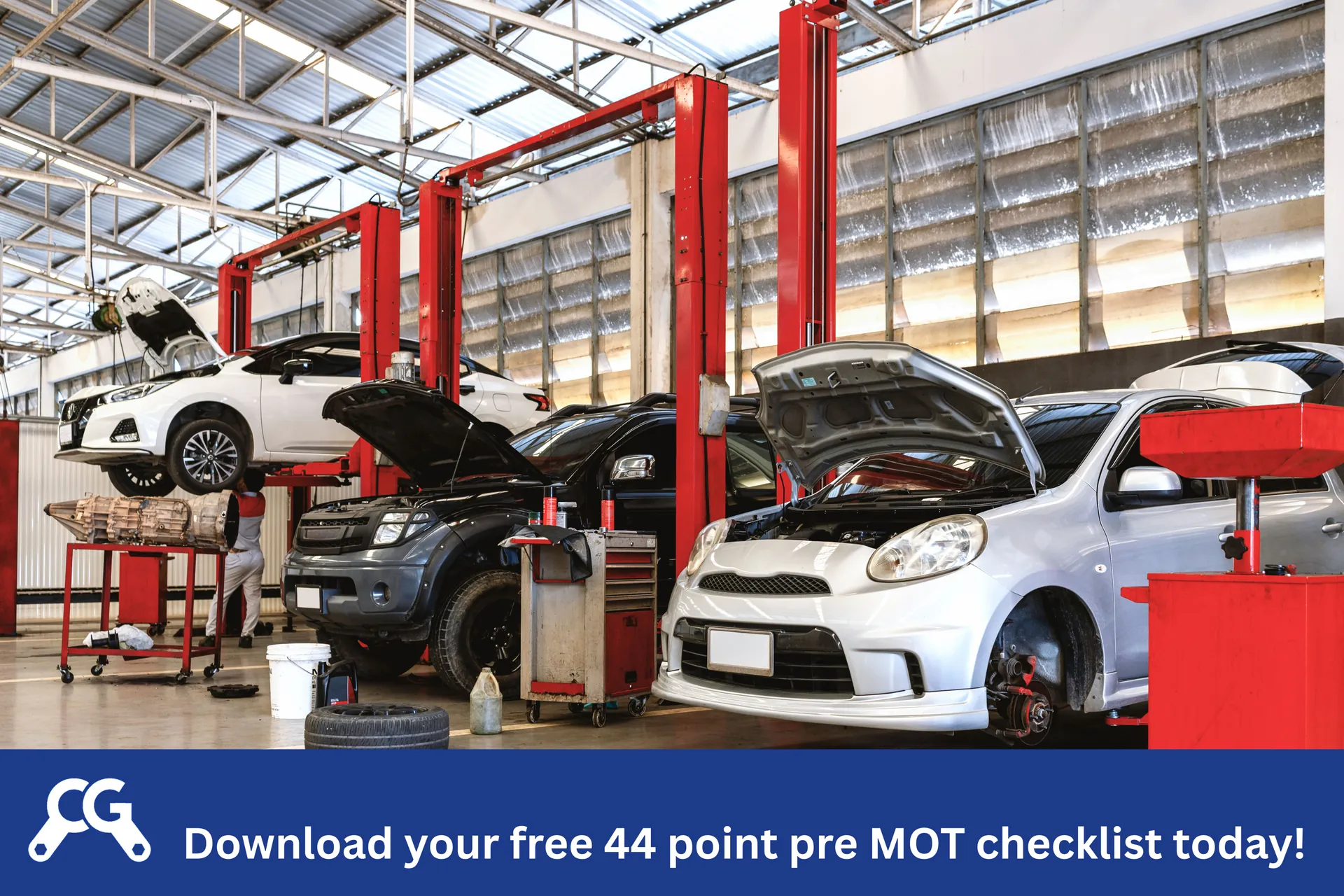
Book your vehicle in for a pre-MOT inspection at a trusted garage. Many testing stations offer this service for a modest fee, providing an opportunity to identify issues before the official test. This approach gives you time to source parts competitively and arrange repairs at your convenience rather than under pressure after a failure. Alternatively, do the checks yourself with our free 44 point pre-MOT checklist.
Address warning lights immediately. Any illuminated dashboard warning light will result in MOT failure under the new MOT rules 2026 UK, as these indicate potential safety system malfunctions. Even seemingly minor warnings about tyre pressure monitoring or emissions systems must be resolved before presenting your vehicle for testing.
Essential Pre-MOT Checklist
Systematically work through these key areas: verify all lights work (including brake lights, which require a helper to check); ensure tyres meet legal requirements; check windscreen for chips larger than 10mm in the driver's view; test horn functions; inspect mirrors for secure mounting and clear visibility; and verify registration plates are clean, readable, and correctly formatted. These simple checks take less than 30 minutes but prevent many common MOT failures.
When to Book Professional Pre-MOT Services
If your vehicle is more than six years old, has high mileage, or you've noticed any unusual noises, vibrations, or performance issues, professional pre-MOT inspection is worthwhile. Mechanics familiar with the MOT test changes 2026 can identify potential failures before they're officially recorded, giving you the best chance of passing first time and maintaining a clean MOT history.
What Happens If Your Vehicle Fails Under the New Rules?
Understanding the failure process and your options helps you respond effectively if your vehicle doesn't pass under the new MOT regulations. The consequences and procedures differ depending on the type of defects identified during testing.
When your vehicle fails with dangerous defects, you legally cannot drive it on public roads until repairs are completed. You must either have the work done at the testing station, arrange for a mobile mechanic to attend, or have the vehicle transported to another garage. The only exceptions are driving directly to a pre-booked repair appointment, and this exemption no longer applies if dangerous defects have been identified.
For major defects without dangerous classification, you receive a 'refusal of MOT certificate' but can legally drive the vehicle away if it had a valid MOT when you brought it in for testing. You have the remainder of that MOT period to complete repairs, though driving a vehicle with known major defects carries risks—your insurance may not cover you if the defect contributed to an accident.
The new system allows free retests if you return within 10 working days and only the failed items are rechecked. However, under the MOT photo requirements 2026, testers must verify repairs by comparing new photographs with the original defect images, ensuring work has genuinely been completed to the required standard.
Your Rights and Appeals Process
If you believe your vehicle has been failed incorrectly, you can appeal to the DVSA, who may arrange a review or re-inspection. The photographic evidence collected during the test provides objective documentation to support or challenge failure decisions. Appeals must be lodged promptly, and your vehicle should not be repaired until the dispute is resolved, as this may affect the appeal outcome.
Frequently Asked Questions
What are the MOT photo requirements 2026 and how do they work?
Under the new MOT rules 2026 UK, testers must capture digital photographs of dangerous defects, major defects, and certain advisory items during inspections. These images are stored with your vehicle's MOT record and accessible through the government's online MOT history checker. The photographs provide visual evidence of defects identified and help ensure transparency and consistency across testing stations.
How do the MOT test changes 2026 affect diesel vehicles specifically?
Diesel vehicles face significantly stricter scrutiny under the DVSA MOT rules update, particularly regarding diesel particulate filters (DPF). Testers now use advanced diagnostic equipment to detect removed or tampered DPF systems, with any modification resulting in automatic failure. Additionally, diesel smoke emissions limits have been tightened, and vehicles must meet more demanding standards to pass the emissions portion of the test.
Can I still drive my car if it fails the MOT under the new regulations?
It depends on the type of defects identified. If your vehicle fails with dangerous defects, you cannot legally drive it on public roads until repairs are completed. For major defects without dangerous classification, you can drive the vehicle if it had a valid MOT when tested, but only until that existing MOT expires. Always check your specific situation with the testing station, as driving with known defects may affect your insurance coverage.
Do electric and hybrid vehicles have different MOT requirements in 2026?
Yes, the new MOT regulations 2026 introduce specific checks for electric and hybrid vehicles that weren't previously part of the standard test. Testers now inspect high-voltage electrical systems, battery condition indicators, charging port integrity, and regenerative braking systems. These vehicles still undergo conventional safety checks for brakes, suspension, lights, and tyres, but with additional assessments appropriate to their electric powertrains.
Local Insights
UK drivers should be particularly aware that the new MOT rules 2026 UK apply consistently across England, Scotland, and Wales, though Northern Ireland operates a separate MOT system. Britain's varied climate means vehicles in coastal areas may show accelerated corrosion, whilst those in urban environments face greater emissions system stress. The DVSA recommends regular maintenance between annual tests, particularly given the UK's demanding weather conditions including winter salt exposure and summer heat affecting cooling systems. Regardless of where you're located across Britain, finding a trusted testing station familiar with the latest regulations ensures your vehicle receives thorough, compliant inspection.
Conclusion
The new MOT rules 2026 UK represent a significant evolution in vehicle testing standards, with stricter requirements across emissions, safety systems, and documentation procedures. By understanding what has changed—from mandatory photographic evidence to enhanced diesel particulate filter checks—you can prepare your vehicle effectively and avoid unexpected failures. Remember that the key changes focus on brake systems, lighting and electronics, emissions control, suspension components, and tyre condition, with different considerations for electric, hybrid, and diesel vehicles. Taking proactive steps such as pre-MOT inspections and addressing warning lights immediately gives you the best chance of passing first time. To find trusted garages that understand the latest MOT rules near you and can help ensure your vehicle meets the latest standards, visit our comprehensive directory today. Don't wait until your MOT is due—start preparing your vehicle now to stay compliant and safe on British roads.
When is your MOT due?......Check today.