Most Common MOT Failures UK 2026: Complete DVSA Data Breakdown

Every year, millions of UK drivers face the dreaded MOT failure slip. In fact, around 28% of cars fail their MOT first time (2024 DVSA data), costing motorists time, money, and considerable frustration. Understanding which components fail most frequently—and why—can help you avoid joining these statistics. This comprehensive breakdown of DVSA data reveals the critical failure points that catch drivers off guard, from lighting issues to suspension problems. You'll discover the top ten reasons cars fail their MOT, learn practical prevention strategies for each failure category, and understand how recent regulatory changes affect your vehicle's compliance. Whether you're preparing for your first MOT or your fiftieth, knowing these common pitfalls could save you hundreds of pounds and ensure you pass first time.
Understanding MOT Failure Rates UK 2026: The Current Landscape
The DVSA publishes comprehensive MOT failure statistics annually, providing invaluable insights into why do cars fail MOT across Britain. According to the latest data, approximately 28% of MOT tests end in a failure (2024 DVSA figures), a rate that has edged down slightly over recent years. However, the specific common MOT failure points have shifted slightly due to advancing vehicle technology and changing regulations.
Failure rates vary significantly by vehicle age. In the 2024 data, cars aged three to four years fail around 13% of the time, ten-year-old cars around 30%, and fifteen-year-old vehicles around 42%. This steep climb reflects the natural deterioration of components and the cumulative effect of wear and tear on older vehicles.
Interestingly, the time of year influences failure rates as well. MOT failure statistics reveal that tests conducted in November and December show higher pass rates, likely because drivers ensure their vehicles are roadworthy before winter driving conditions. Conversely, March and September—when many MOTs are due following registration plate changes—see slightly elevated failure rates, possibly due to rushed preparations.
How DVSA Categorises MOT Failures
The DVSA uses a classification system to grade defects discovered during MOT testing. Minor defects don't result in failure but should be repaired soon. Major defects cause immediate failure and must be fixed before the vehicle can be driven legally. Dangerous defects represent serious safety risks and mean the vehicle shouldn't be driven until repaired. Understanding these categories helps you prioritise repairs and appreciate the severity of different common MOT failure points when preparing your vehicle for its annual test. Check your MOT now to see what advisories you had last time, if any!
Top 10 Most Common MOT Failures UK: Complete Breakdown
Analysing the most common MOT failures across 559 million UK tests reveals a consistent pattern. The categories below are ranked by their share of every defect recorded at a failed test—and because a single failed test can log several defects, the figures reflect failure items rather than individual cars. The top five alone—lighting, suspension, brakes, tyres and driver's view—make up more than 80% of all failure items, with engine and transmission faults adding around 1% each beyond the ten listed here.
1. Lighting and Signalling Issues (19.9% of Failures)
Lights MOT failure remains the single biggest cause of test rejections across the UK. This category encompasses headlights, brake lights, indicators, number plate lights, and fog lights. Common issues include blown bulbs, condensation inside light units, incorrect alignment of headlights, and faulty wiring connections. The prevalence of lighting failures is particularly frustrating because these are among the easiest problems to check and fix yourself. A simple pre-MOT check of all lights—including asking someone to confirm brake lights illuminate when you press the pedal—can eliminate this common failure point entirely.
2. Suspension Component Defects (19.8% of Failures)
Suspension failures encompass worn shock absorbers, damaged springs, deteriorated bushes, and faulty dampers. These components bear enormous stress from Britain's pothole-riddled roads and speed bumps, leading to gradual degradation. Warning signs include excessive bouncing after going over bumps, uneven tyre wear, clunking noises when cornering, and the vehicle pulling to one side. Suspension issues often develop slowly, making them easy to overlook until the MOT tester identifies them as major defects requiring immediate attention.
3. Brake System Failures (19.6% of Failures)
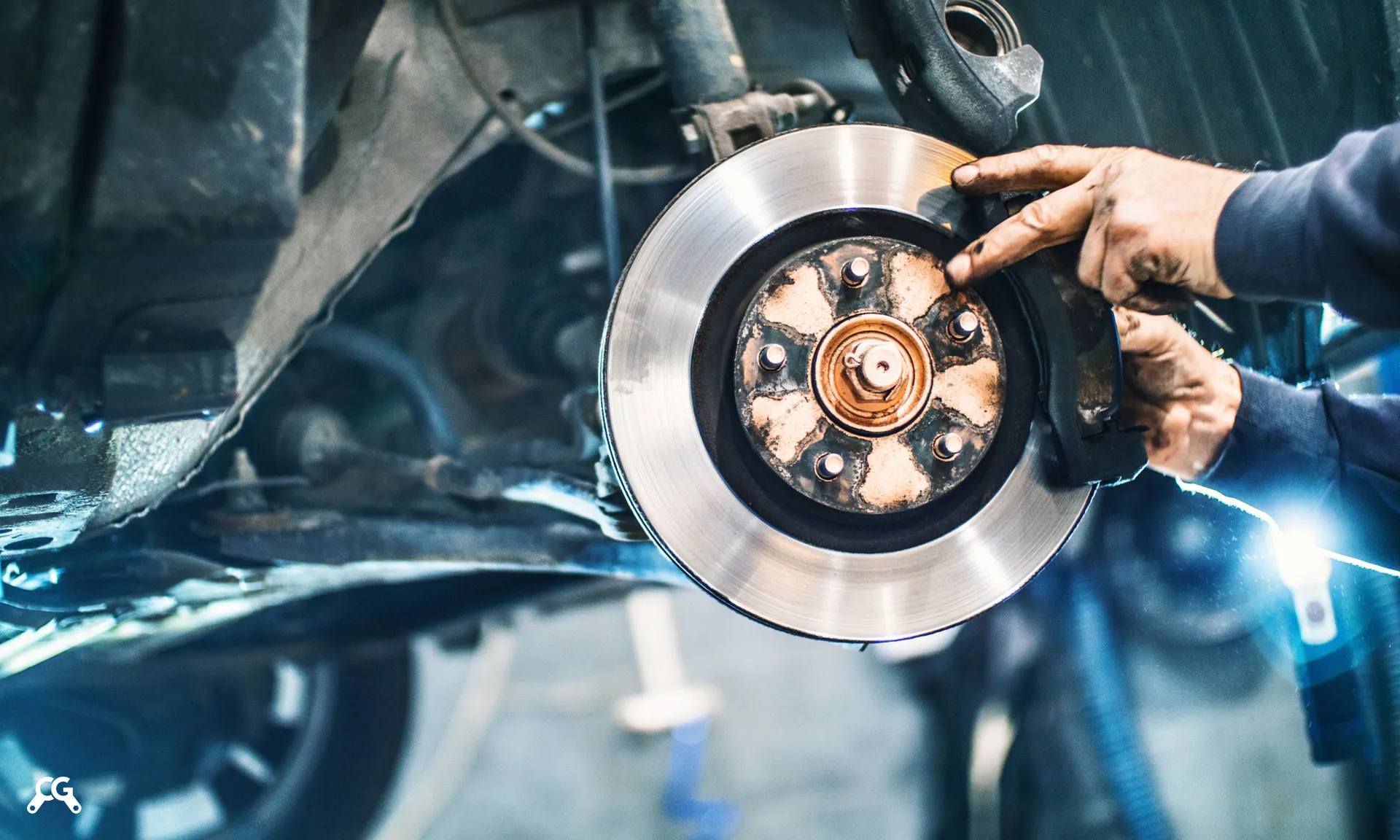
Braking system defects represent critical safety concerns and account for a significant proportion of the most common MOT failures UK. Issues include worn brake pads below the legal minimum, corroded brake discs, contaminated brake fluid, seized brake calipers, and imbalanced braking performance. The MOT test includes a roller brake test that measures braking efficiency across all wheels, revealing problems that might not be immediately apparent during normal driving. Any imbalance between left and right wheels or insufficient overall braking force results in automatic failure.
4. Tyre Condition and Tread Depth (12.0% of Failures)
Tyre-related failures occur when tread depth falls below the legal 1.6mm minimum across the central three-quarters of the tread width, or when tyres display cuts, bulges, or other damage exposing the cords. Additionally, having mismatched tyre types on the same axle or incorrect tyre sizes for your vehicle specification will result in failure. Regular tread depth checks using a 20p coin—the outer band should disappear into the tread—help you monitor this crucial safety component between MOTs.
5. Issues With Drivers' View of the Road (9.8% of Failures)
This category includes faulty windscreen wipers that don't clear the screen effectively, damaged wiper blades, and non-functioning or blocked washers—collectively the largest part of this group—as well as damaged windscreens with cracks or chips larger than 10mm in the driver's line of vision (zone A), or 40mm elsewhere in the swept area. Mirror defects—including missing, damaged, or insecurely mounted mirrors—also fall into this category. These common MOT failure points are often overlooked because drivers adapt to gradual deterioration without realising these issues represent MOT failures.
6. Exhaust Emissions Problems (5.3% of Failures)
Emissions testing has become increasingly stringent, with limits tightened for both petrol and diesel vehicles in recent years. Excessive smoke from diesel vehicles, high carbon monoxide or hydrocarbon readings from petrol engines, or a missing or defective catalytic converter will cause failure. A deteriorating lambda sensor, worn piston rings, or incorrect engine tuning can all push emissions beyond acceptable limits. The MOT failure statistics show emissions failures have increased as vehicles age and emission control systems degrade.
7. Body Structure and Corrosion (5.3% of Failures)
Excessive corrosion affecting prescribed areas—particularly around seatbelt mountings, suspension mounting points, and structural members—constitutes a serious failure. The DVSA guidelines specify that corrosion within 30cm of these safety-critical areas, if significant enough to affect structural integrity, will fail the vehicle. This category particularly affects older vehicles and those exposed to coastal environments where salt accelerates rust. Regular underseal treatment and prompt attention to minor rust spots can prevent this deterioration.
8. Steering System Defects (3.6% of Failures)
Steering failures encompass worn track rod ends, damaged steering racks with excessive play, deteriorated power steering components, and loose or insecure steering wheels. The MOT tester checks for excessive play in the steering system, unusual noises when turning, and ensures the steering wheel is secure. Warning signs include a loose-feeling steering wheel, clunking when turning, difficulty steering, or the vehicle wandering on straight roads. These issues pose serious safety risks and always result in major or dangerous defect classifications.
Check Common Car Problems
Search 559 million UK MOT records by year, make and model.
Know what the work should cost — get prices from garages near you
9. Warning Lights and Electrical Faults (2.5% of Failures)
Beyond bulbs and lighting, the electrical category also covers wiring, battery security, the horn and—increasingly—dashboard warning lights for safety-critical systems. Since the 2018 testing changes, the MOT checks that warning lights for the airbag (SRS), ABS and electronic stability control (ESC) illuminate on ignition and then go out; a light that stays on for any of these is an automatic failure. Other common items include damaged or insecure wiring, an inoperative horn, and an insecure battery. These faults are easy to miss because several of the warning lights are only visible once the ignition is on.
10. Fuel System Leaks (0.4% of Failures)
Fuel-system defects are rare—well under 1% of failures—but consequential: any fuel leak, regardless of severity, results in automatic MOT failure due to the fire risk. Common issues include deteriorated fuel lines, damaged fuel tanks, faulty fuel cap seals, and leaking injectors or fuel pumps. The distinctive smell of petrol or diesel often provides the first warning sign, though testers also perform visual inspections of the entire fuel system. Even minor seepage that hasn't yet formed drips constitutes a failure, reflecting the serious safety implications of fuel system defects.
Why Do Cars Fail MOT: Understanding the Root Causes
Beyond the specific component failures, understanding the underlying reasons behind MOT failures helps you prevent them. The root causes generally fall into several distinct categories, each requiring different prevention strategies.
Neglected maintenance represents the primary cause of most common MOT failures UK. Many drivers only service their vehicles when absolutely necessary, allowing gradual deterioration to progress unchecked until the annual MOT reveals accumulated problems. Components like brake pads, tyres, and suspension parts wear progressively, but without regular inspection, this wear becomes a failure rather than a planned replacement.
Another significant factor is the increasing complexity of modern vehicles. Today's cars feature sophisticated electronic systems, emissions controls, and safety technologies that require specialist diagnostics when faults develop. A minor sensor failure can trigger emissions problems or lighting issues that weren't concerns for older, simpler vehicles. Additionally, the widespread use of LED lighting systems means that whilst bulbs fail less frequently, when components do fail, they're often more expensive to replace than traditional bulbs.
The Impact of Vehicle Age on Failure Rates
MOT failure statistics clearly demonstrate that vehicle age dramatically influences failure probability. In the 2024 data, three-year-old cars at their first MOT fail around 13% of the time, ten-year-old cars around 30%, and fifteen-year-old vehicles around 42%. This steep increase reflects cumulative wear, with multiple components simultaneously reaching the end of their service life. Understanding this pattern helps you budget for increased maintenance costs as your vehicle ages and adjust your pre-MOT preparation accordingly.
Environmental and Driving Condition Factors
The conditions your vehicle faces significantly influence which common MOT failure points you're most likely to encounter. Coastal vehicles experience accelerated corrosion from salt spray, urban vehicles suffer from stop-start wear on brakes and clutches, and rural vehicles face suspension stress from poorly maintained roads. Similarly, short-journey driving prevents engines reaching optimal temperature, leading to emissions system problems, whilst high-mileage motorway driving causes different wear patterns. Recognising how your specific usage affects your vehicle helps you target preventative maintenance effectively.
Preventing Common MOT Failure Points: Practical Strategies
Whilst understanding what causes failures is valuable, implementing effective prevention strategies delivers the real benefit. A systematic approach to choosing the right garage significantly increases your pass probability and reduces unexpected repair costs.
The most effective strategy is conducting a thorough pre MOT check through MOT Test Centres approximately two weeks before your test date. This timeframe allows sufficient opportunity to address any issues discovered without rushing repairs. Create a checklist covering all the most common MOT failures UK categories and methodically work through each item. Or you could just download our free checklist.
Check all lights by turning on ignition, headlights, full beam, indicators, brake lights, and fog lights, replacing any blown bulbs immediately. Examine tyres for tread depth, damage, and correct pressure, replacing any that approach the legal limit.
Inspect your windscreen carefully for chips or cracks that might have developed, particularly in the driver's direct line of sight. Clean your number plates and check they're securely mounted, clearly legible, and conform to current regulations. Look underneath your vehicle for obvious issues like exhaust damage, fluid leaks, or visible corrosion, though a professional inspection is advisable for thorough assessment. Test your horn, windscreen wipers and washers, and all interior features like seatbelts and the handbrake.
When to Book Professional Pre-MOT Checks
Whilst owner-conducted checks identify obvious problems, professional pre-MOT inspections catch issues that require specialist equipment or expertise to diagnose. Many garages offer pre-MOT checks at reduced rates, providing you with an advisory report highlighting potential failures. This service proves particularly valuable for older vehicles, those with high mileage, or if you're inexperienced with vehicle maintenance. The modest cost of a pre-MOT check invariably proves worthwhile compared to the inconvenience and expense of MOT failure and retesting.
Maintaining Service History to Prevent Failures
Regular servicing according to manufacturer schedules represents the most effective long-term strategy for avoiding the most common MOT failures in the UK. Services include checks and replacements of wear items before they reach failure point, early identification of developing problems, and maintenance of critical systems like brakes and suspension. Vehicles with comprehensive service histories consistently show lower failure rates across all categories, demonstrating that preventative maintenance delivers measurable benefits. Additionally, maintaining service records helps you track component replacement dates, anticipating when items might need attention before your MOT.
Understanding Recent MOT Regulation Changes Affecting 2026 Tests
The MOT testing framework evolves continuously to reflect advancing vehicle technology, emerging safety concerns, and changing environmental priorities. Several significant regulatory changes have been implemented recently that affect which components testers examine and the standards they must meet.
The defect categorisation system introduced in 2018 continues to evolve, with updated guidance helping testers classify issues more consistently. This system distinguishes between minor, major, and dangerous defects with greater precision, ensuring that serious safety concerns always result in immediate failure whilst minor issues receive advisories without causing test rejection. The clearer definitions help both testers and vehicle owners understand the urgency of different repairs.
Emissions standards have been progressively tightened, particularly for diesel vehicles following concerns about air quality in urban areas. The diesel particulate filter (DPF) check now includes visual inspection for removal or tampering, with any evidence of DPF deletion resulting in automatic failure regardless of actual emissions readings. This regulation addresses the practice of removing emissions control equipment to avoid expensive repairs, but which significantly increases harmful emissions.
Additionally, specific checks for safety systems like electronic stability control (ESC) have been introduced for vehicles where these systems are fitted as standard. The MOT now includes verification that dashboard warning lights for safety-critical systems illuminate on ignition and then extinguish, indicating the systems are functioning correctly. Any illuminated warning lights for airbags, ABS, or ESC during the test will result in failure.
Electric and Hybrid Vehicle MOT Requirements
As electric and hybrid vehicles become increasingly prevalent on UK roads, MOT procedures have adapted to address their unique characteristics. Whilst these vehicles don't require emissions testing, testers now examine high-voltage electrical systems for damage, security, and correct labelling. Battery pack mountings, charging port condition, and warning light functionality receive specific attention. Hybrid vehicles still undergo emissions testing when running in combustion mode, but with adjusted standards reflecting their dual power systems. Understanding these evolving requirements helps owners of newer vehicle types prepare appropriately.
What Happens After an MOT Failure: Your Options and Rights
Receiving an MOT failure notice can be frustrating, but understanding your options and rights helps you navigate the situation effectively. When your vehicle fails, the testing station provides a detailed report listing all failures, along with any advisories for issues that aren't yet serious enough to cause failure but require monitoring.
You have the right to a free partial retest if repairs are completed and the vehicle returned to the same testing station within ten working days. The partial retest only examines the components that originally failed, unless the tester notices other issues that have developed. This provision saves you the full retest fee, making prompt repairs financially advantageous. However, if you exceed the ten-day window or have the repairs completed elsewhere, you'll need to pay for a complete retest.
If you disagree with the failure decision, you can appeal by requesting that the vehicle undergo inspection at an official DVSA testing facility. You must make this request within fourteen days of the original test, and there's a fee involved. However, appeals succeed relatively rarely because MOT testers follow strict guidelines and document their findings thoroughly. Most disputes arise from misunderstandings about regulations rather than incorrect test application.
You're entitled to drive your vehicle away from the testing station even after failure, provided your previous MOT certificate hasn't expired and you have pre-booked repairs. If your previous MOT has expired, driving the failed vehicle on public roads is illegal except when driving directly to a pre-booked repair appointment or retest.
Challenging Repair Costs and Getting Second Opinions
After receiving your failure notice, you're not obligated to have repairs completed at the testing station. Obtaining quotes from multiple garages often reveals significant price variations for identical work. However, consider the free partial retest benefit when comparing costs—even if repairs cost slightly more at the testing station, avoiding a full retest fee might make this option more economical overall. For expensive repairs, particularly on older vehicles, getting a second opinion before proceeding helps ensure the diagnosed problem is accurate and the proposed solution appropriate.
Frequently Asked Questions
What are the most common reasons cars fail their MOT in the UK?
The most common MOT failures UK include lighting and signalling issues (19.9% of all recorded defects), suspension (19.8%), brakes (19.6%), tyre tread depth or damage (12.0%), and restricted driver visibility from wipers, washers, windscreen or mirrors (9.8%). Together, these five categories account for more than 80% of all MOT failure items nationwide. Regular checks of these components before your test significantly increase your pass probability.
How can I reduce my chances of failing my MOT?
Conduct a thorough pre-MOT inspection two weeks before your test, checking all lights, tyres, windscreen, mirrors, and registration plates. Address any obvious issues immediately and consider booking a professional pre-MOT check for older vehicles. Maintain regular servicing according to manufacturer schedules, as this prevents gradual deterioration reaching failure point. Finally, don't ignore dashboard warning lights, as these often indicate problems that will cause MOT failure.
Why do lights fail MOT tests so frequently?
Lights MOT failure occurs most commonly because drivers don't regularly check all their vehicle's lights, particularly rear lights, brake lights, and number plate lights that aren't visible from the driver's seat. Blown bulbs, corroded connections, condensation in light units, and misaligned headlights all constitute failures. These issues are easily preventable through simple monthly checks and prompt bulb replacement.
What MOT failure statistics should owners of older vehicles know?
MOT failure statistics show dramatic increases with vehicle age—in the 2024 data, three-year-old cars fail around 13% of tests, ten-year-old cars around 30%, and fifteen-year-old vehicles around 42%. This pattern reflects cumulative wear affecting multiple components simultaneously. Owners of older vehicles should budget for increased maintenance costs, conduct more thorough pre-MOT inspections, and address advisories promptly before they develop into failures at the next test.
Local Insights
UK drivers face unique challenges that influence the most common MOT failures UK, particularly regarding weather-related deterioration. Britain's variable climate, with frequent rain, road salt application during winter months, and significant temperature fluctuations, accelerates corrosion affecting body structure, suspension components, and brake systems. The prevalence of potholes across UK road networks contributes substantially to suspension and steering failures, whilst coastal regions experience even faster deterioration from salt spray exposure. These environmental factors mean UK motorists must be particularly vigilant about regular vehicle inspections and preventative maintenance. Additionally, DVSA regulations specific to the UK include requirements not found in some other countries, such as specific number plate formats and roadworthiness standards that reflect British driving conditions and legal requirements.
Conclusion
Understanding the most common MOT failures UK empowers you to take proactive steps that increase your pass probability and reduce unexpected repair costs. The top failure categories—lighting issues, suspension defects, brake problems, tyre condition, and visibility concerns—account for the vast majority of test rejections, yet most are preventable through regular checks and timely maintenance. By conducting thorough pre-MOT inspections, maintaining service schedules, and addressing advisories before they become failures, you'll avoid the inconvenience and expense of MOT rejection. Remember that your vehicle's age significantly influences failure probability, with older cars requiring more intensive preparation and preventative work. Whether you're approaching your first MOT or your twentieth, the principles remain consistent: regular maintenance, systematic pre-test checks, and prompt attention to developing issues deliver the best outcomes. Our analysis of 559 million DVSA MOT records was featured on Motor Verso. Find trusted garages specialising in MOT repairs near you through our comprehensive directory, ensuring your vehicle receives expert preparation and testing from qualified professionals who understand exactly what testers examine and the standards they require.