Car Service Costs In The UK In 2026: Essential Guide to What You Should Expect to Pay

How much should you budget for your car service in 2026? With the cost of living affecting household budgets across the UK, understanding car service cost in the UK in 2026 has never been more important for motorists. Whether you're due for a routine check-up or a comprehensive full service, knowing what to expect can help you plan ahead and avoid unwelcome surprises. In this comprehensive guide, you'll discover the current pricing for different service types, what factors influence the final bill, and how to get the best value without compromising on quality. We'll break down everything from basic oil and filter changes to major services, helping you make informed decisions about your vehicle's maintenance throughout 2026.
Understanding the Different Types of Car Services in 2026
Before diving into specific costs, it's essential to understand what you're actually paying for. Car services aren't one-size-fits-all, and the type of service your vehicle needs will significantly impact how much does a car service cost. If your wondering what is the difference between an MOT and service, we covered this in a previous blog.
UK garages typically offer three main service types, each designed for different maintenance needs and mileage intervals. Choosing the right service ensures your car receives appropriate care without paying for unnecessary work. Many drivers wonder whether they need an interim, full, or major service—the answer depends on your vehicle's age, mileage, and manufacturer recommendations. Garages will recommend what your car needs on the above factors, search for local garages who offer servicing near you on our servicing page.
Alternatively, let's explore each service type and what they involve, so you can better understand the value behind the prices you'll encounter in 2026.
Interim Service: Your Basic Maintenance Check
An interim service is the entry-level option, typically recommended every 6,000 miles or six months for drivers who cover higher annual mileage. The interim service cost in 2026 ranges between £80-£150 across most UK garages, depending on your vehicle make and location. This service includes essential checks like oil and filter changes, fluid level inspections, and basic safety assessments of lights, tyres, and brakes. It's designed to keep your car running smoothly between full services, though it won't include the comprehensive checks of more thorough maintenance packages.
Full Service: Comprehensive Annual Care
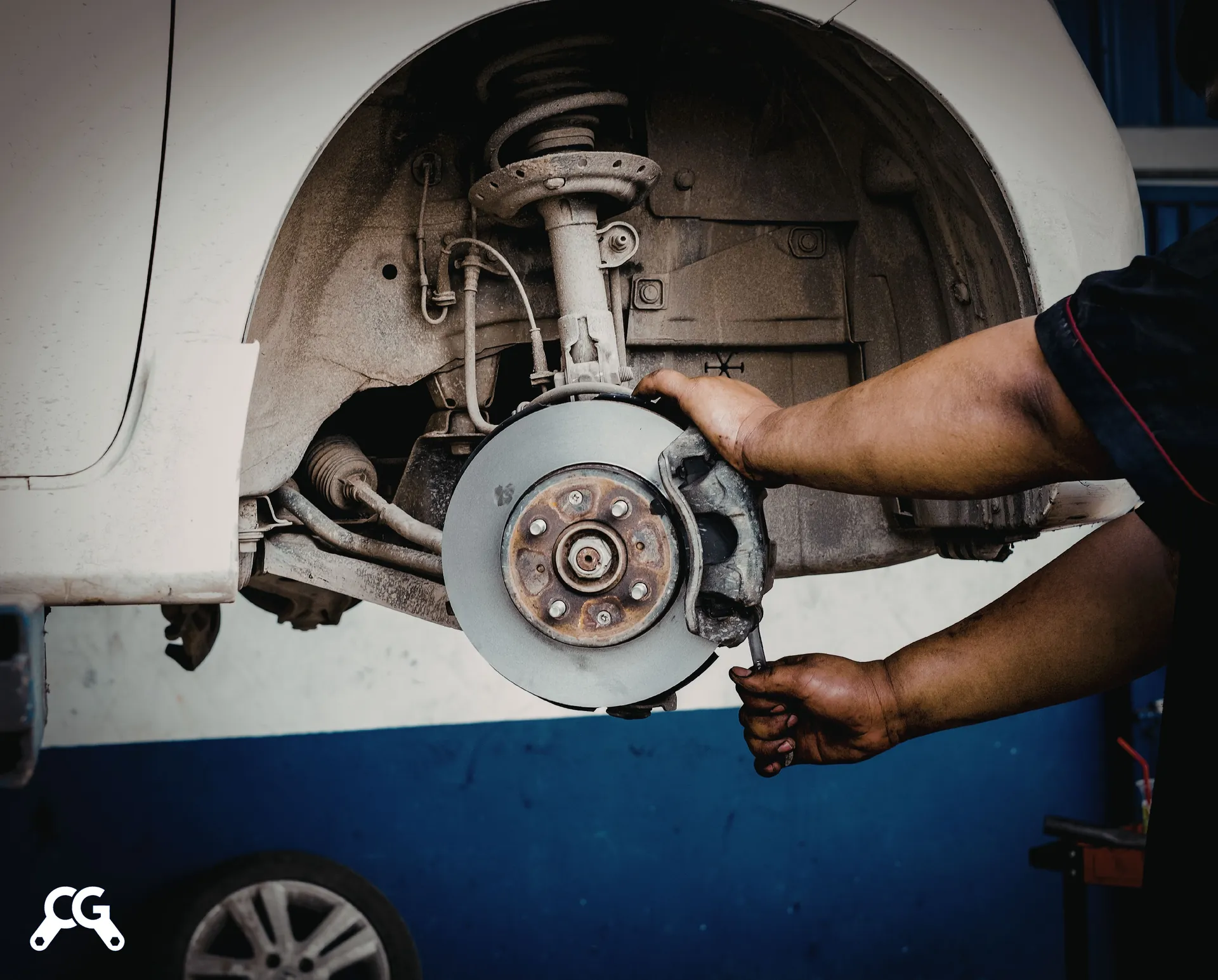
The full service cost in the UK varies considerably, with prices typically ranging from £150-£300 in 2026. Recommended annually or every 12,000 miles, a full service includes everything in an interim service plus additional checks and replacements. Expect your mechanic to inspect your brake system thoroughly, check suspension components, test your battery, replace air filters, and conduct a comprehensive assessment of your vehicle's major systems. This is the service most manufacturers recommend as standard maintenance to keep your warranty valid and your vehicle in optimal condition.
Major Service: The Most Thorough Option
The major service price in the UK sits at the premium end, typically costing between £250-£500 depending on your vehicle. Usually required every 24,000 miles or two years, this comprehensive package includes everything in a full service plus additional component replacements and deeper system inspections. Your mechanic will replace your spark plugs, change transmission fluid, inspect timing belts or chains, and perform detailed diagnostics on electronic systems. For older vehicles or those approaching significant mileage milestones, this thorough service can prevent costly breakdowns and extend your car's lifespan considerably. It can also help identify potential issues for your next MOT.
Breaking Down Car Service Costs: What Influences the Price?
Understanding why car service costs in the UK in 2026 varies so dramatically between garages and vehicles, helps you evaluate quotes more effectively. Several key factors determine what you'll ultimately pay, and being aware of these can help you budget accurately.
Your vehicle's make, model, and age play significant roles in service pricing. Luxury and performance vehicles typically command higher prices due to specialised parts, specific diagnostic equipment, and manufacturer-trained technicians. Additionally, where you're located in the UK affects labour rates, with London and the Southeast generally charging premium prices compared to other regions.
Let's examine the specific factors that impact your final bill, so you can better understand the quotes you receive. Here can find out how to find local garages near you to compare costs, reviews and services near you.
Vehicle Make and Model Considerations
The type of car you drive significantly impacts service costs. German manufacturers like BMW, Audi, and Mercedes-Benz typically incur higher charges, with full services often exceeding £300. Japanese brands such as Toyota, Honda, and Mazda generally offer more affordable servicing, with full services frequently available for £150-£200. French manufacturers like Peugeot and Renault sit somewhere in the middle. Electric vehicles require different maintenance schedules—whilst they don't need oil and filter change cost considerations, their specialist checks and technician expertise can affect overall pricing. Hybrid vehicles may require both conventional and electric system checks, potentially increasing service costs.
Regional Price Variations Across the UK
Where you live dramatically affects how much you'll pay for servicing in 2026. London and the Southeast typically charge 20-30% more than the national average due to higher premises costs and wage expectations. Major cities like Manchester, Birmingham, and Edinburgh fall in the mid-range, whilst rural areas and smaller towns often offer the most competitive pricing. For example, an interim service costing £120 in central London might cost just £80 in a market town. However, don't automatically choose the cheapest option—consider travel costs, garage reputation, and the quality of work when comparing prices across regions.
Parts Quality and Labour Rates
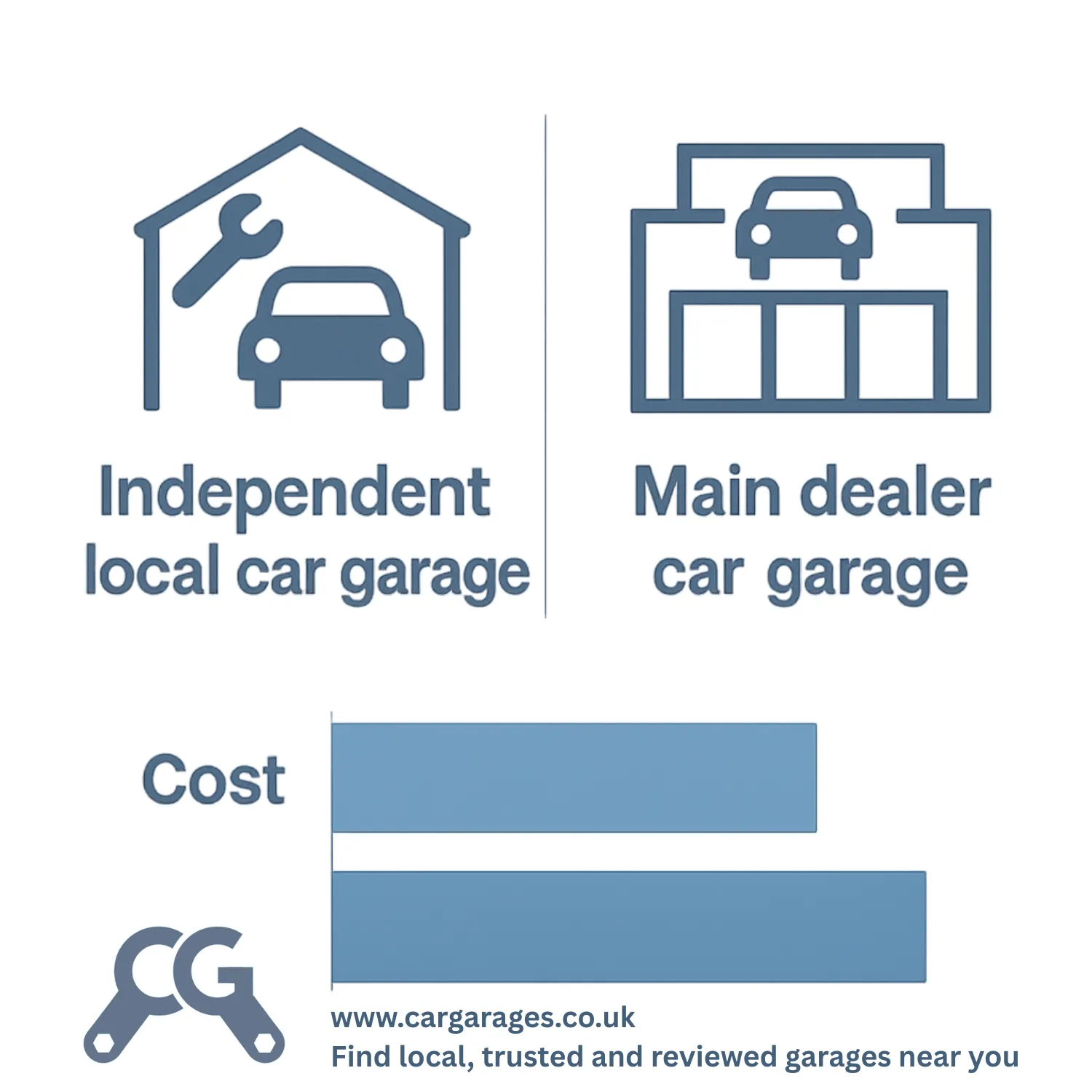
The parts your garage uses significantly influence your final bill. Original Equipment Manufacturer (OEM) parts cost more than aftermarket alternatives but often provide better reliability and warranty protection. Labour rates vary considerably, with main dealers charging £90-£150 per hour, independent specialists typically charging £60-£90, and fast-fit chains often offering competitive hourly rates of £50-£80. However, experienced technicians may complete work more efficiently, potentially offsetting higher hourly rates. Always ask about parts quality and labour charges upfront to avoid surprises when collecting your vehicle.
2026 Pricing Guide: What You Should Budget for Each Service Type
Having a clear understanding of current market rates empowers you to evaluate quotes effectively and spot pricing that seems unusually high or suspiciously low. The car service cost for the UK 2026 market has stabilised somewhat after the volatility of previous years, though inflation and parts supply continue to influence pricing.
Check Common Car Problems
Search 559 million UK MOT records by year, make and model.
Know what the work should cost — get prices from garages near you
These price ranges reflect extensive market research across hundreds of UK garages, from main dealers to independent specialists. Remember that these are guideline figures—your actual costs may vary based on the factors we've discussed. However, if you're quoted significantly outside these ranges, it's worth understanding why or seeking alternative quotes.
Here's what you should realistically expect to pay across different service categories in 2026.
Oil and Filter Change Costs
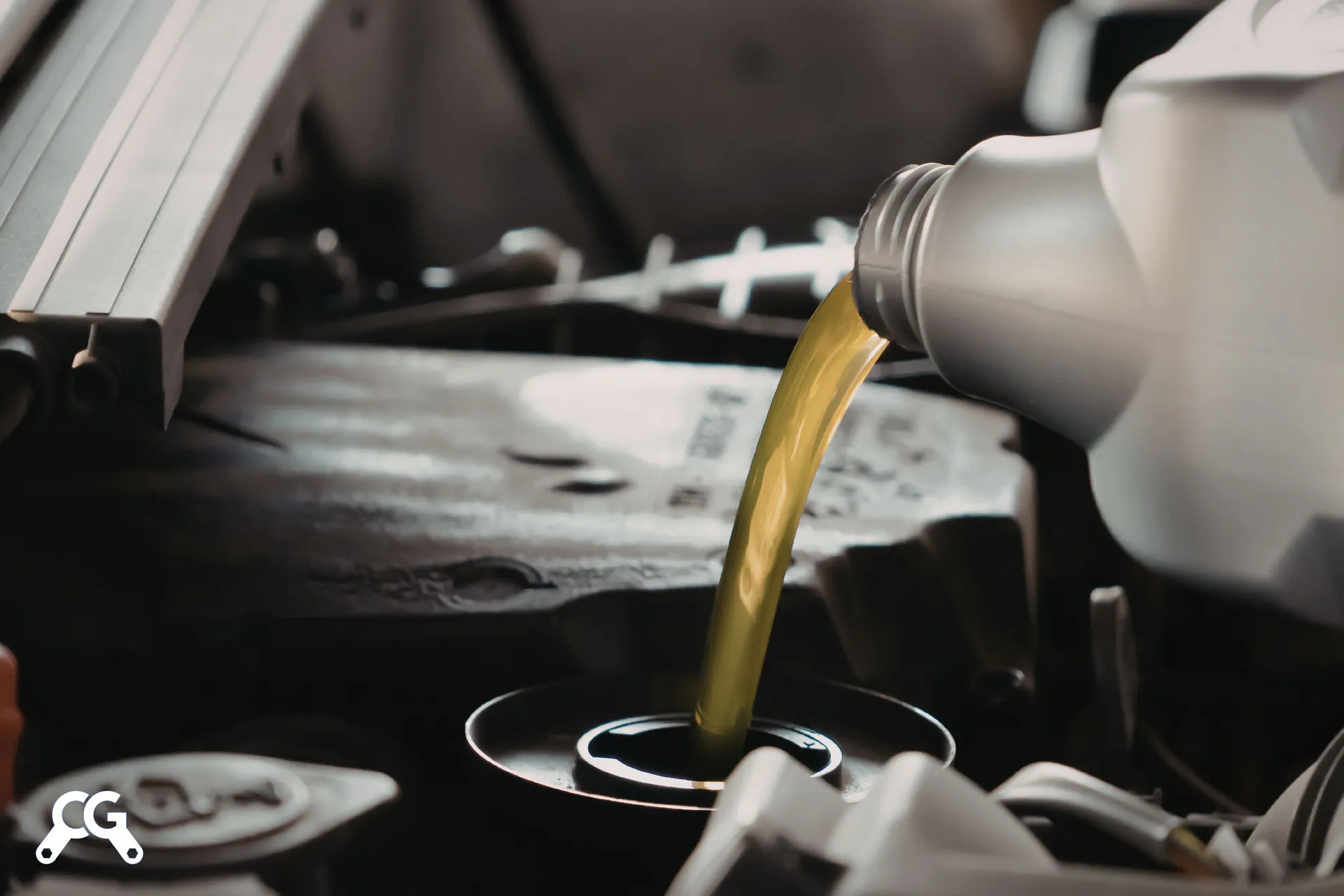
An oil and filter change cost represents the most basic maintenance service, typically ranging from £45-£100 in 2026 depending on your vehicle and the oil specification required. Modern engines often require fully synthetic oil, which costs more than semi-synthetic or mineral alternatives but provides superior protection and longer service intervals. Some performance vehicles require specific high-performance oils that can push costs towards the upper end of this range. Most oil changes take 30-45 minutes, making them an affordable way to protect your engine. Many garages include a basic health check with this service, inspecting fluid levels and checking for obvious issues.
Budget-Friendly and Premium Service Options
Budget-conscious motorists can find interim services from £80 at fast-fit chains and independent garages using quality aftermarket parts. Mid-range options from reputable independents typically cost £100-£150 for full services, offering excellent value without compromising on quality. Premium services at main dealers range from £180-£300 for full services, with the benefit of manufacturer-trained technicians, specialist diagnostics equipment, and OEM parts. Some manufacturers offer fixed-price servicing plans that can provide good value, especially for newer vehicles. Consider your vehicle's age, warranty status, and your personal preferences when choosing between these options.
Additional Costs to Consider
Beyond the standard service price, you may encounter additional costs if your technician identifies issues requiring attention. Common extras include brake pad replacement (£80-£200 per axle), tyre replacement (£50-£150 per tyre), and battery replacement (£80-£200). Air conditioning servicing adds £50-£80 to your bill, whilst MOT testing costs £54.85 as the maximum statutory fee. Some garages offer service and MOT packages that provide modest savings. Always request a clear breakdown of recommended work, distinguishing between essential safety items and maintenance that could wait until your next service.
How to Get the Best Value from Your Car Service
Getting value for money doesn't necessarily mean choosing the cheapest option—it means receiving quality work at a fair price. Smart motorists in 2026 understand that regular, appropriate maintenance actually saves money long-term by preventing expensive repairs and breakdowns.
Many drivers inadvertently pay more than necessary by neglecting straightforward maintenance or delaying services until problems develop. Understanding how to approach vehicle servicing strategically can significantly reduce your annual motoring costs whilst keeping your car in excellent condition.
Here are practical strategies to ensure you're getting excellent value from every service.
Compare Quotes from Multiple Garages
Before booking your service, obtain quotes from at least three different garages to understand the market rate for your specific vehicle. Ensure each quote covers identical work—comparing an interim service quote with a full service quote won't provide useful information. Ask each garage about their parts policy, warranty on work, and what's specifically included in the quoted price. Don't automatically choose the cheapest option; consider the garage's reputation, reviews, and the experience of their technicians. A slightly higher price from a Car Servicing Centre with excellent feedback often represents better value than an unknown provider offering suspiciously low prices.
Consider Service Plans and Package Deals
Many garages offer service plans that spread the cost over monthly payments, making budgeting easier whilst often providing modest savings. Main dealers frequently offer manufacturer-approved service plans that include multiple services at a fixed price, protecting against future price increases. Some independent garages provide loyalty schemes offering discounts on repeat visits. Service and MOT packages typically save £20-£40 compared to booking separately. If you're planning to keep your vehicle for several years, calculating the total cost of a service plan versus individual services can reveal whether you'll actually save money or simply benefit from the convenience of predictable costs.
Maintain Your Vehicle Between Services
Performing basic checks yourself between professional services can prevent minor issues becoming expensive problems. Check your oil level monthly, inspect tyre pressures fortnightly, and top up washer fluid as needed—these simple tasks take minutes but protect your vehicle. Monitor warning lights and address them promptly rather than waiting for your next service. Keep your car clean, as dirt and salt accelerate corrosion on bodywork and underside components. Regular use of your vehicle, rather than leaving it standing for weeks, actually benefits mechanical components and battery health. These habits reduce the likelihood of unexpected work being needed during services, keeping your costs predictable. We offer a free 44 point pre-MOT checklist that can help with this.
When Should You Service Your Car? Understanding Service Intervals
Knowing when to book your service is as important as understanding the costs involved. Following appropriate service intervals protects your vehicle, maintains its value, and can even affect your insurance validity. In 2026, manufacturers provide detailed service schedules, but general guidelines help you plan ahead.
Modern vehicles typically require less frequent servicing than older cars, with many manufacturers specifying 12-month or 12,000-mile intervals, whichever comes first. However, your driving style and conditions significantly influence these recommendations. Frequent short journeys, dusty environments, towing, or performance driving may necessitate more frequent maintenance.
Understanding your specific requirements ensures you're servicing appropriately—neither wasting money on unnecessary maintenance nor risking damage through neglect.
Manufacturer Recommendations vs. Real-World Usage
Your vehicle's service book outlines the manufacturer's recommended intervals, which should generally be followed to maintain warranty validity. However, these schedules assume typical driving conditions that may not reflect your actual usage. If you predominantly make short urban journeys where the engine doesn't reach optimal temperature, consider interim services at shorter intervals. Similarly, if you regularly drive in dusty conditions, tow trailers, or drive enthusiastically, your vehicle works harder and may benefit from more frequent oil changes. Conversely, if you mainly cover long motorway distances at steady speeds, your car experiences less stress and standard intervals are typically appropriate.
Warning Signs You Need a Service Sooner
Several indicators suggest your vehicle needs attention before your scheduled service date. Dashboard warning lights, particularly the oil pressure or engine management lights, require immediate investigation. Unusual noises such as grinding, squealing, or knocking shouldn't be ignored until your next service. Changes in performance, including reduced acceleration, poor fuel economy, or difficulty starting, suggest developing problems. If you notice smoke from the exhaust, fluid leaks under the car, or a burning smell whilst driving, find a car garage near you to help diagnose. Addressing these issues quickly often prevents minor problems escalating into expensive repairs.
Electric and Hybrid Vehicle Servicing Costs in 2026
As electric and hybrid vehicles become increasingly common on UK roads, understanding their specific servicing requirements and associated costs becomes essential. The car service cost in the UK in 2026 landscape includes these alternative powertrains, which have distinct maintenance needs compared to conventional petrol and diesel vehicles.
Electric vehicles require significantly less maintenance than traditional cars, lacking oil changes, spark plugs, exhaust systems, and clutches. However, they still need regular checks of brakes, tyres, suspension, and importantly, their battery and electrical systems. Hybrid vehicles combine elements of both conventional and electric servicing, potentially creating unique cost considerations.
Here's what electric and hybrid owners should expect to pay for servicing in 2026.
Electric Vehicle Service Costs
Electric vehicle servicing typically costs £80-£180 for an annual check, significantly less than conventional vehicles due to fewer components requiring maintenance or replacement. Services focus on brake fluid checks, tyre condition and alignment, suspension inspection, and comprehensive diagnostics of the battery management system and electrical components. Cabin air filters, wiper blades, and washer fluid still require regular attention. Battery health checks are crucial, though battery degradation is generally covered by extensive manufacturer warranties. Brake wear is often minimal thanks to regenerative braking systems. Ensure your chosen garage has technicians trained in high-voltage systems, as not all traditional garages possess the specialist equipment and qualifications needed for electric vehicle maintenance.
Hybrid Vehicle Service Costs
Hybrid vehicles require both conventional engine maintenance and electric system checks, with service costs typically ranging from £150-£280 for a full service. They need regular oil and filter changes for their petrol or diesel engines, though often at extended intervals compared to conventional vehicles. The hybrid battery system requires periodic health checks, whilst the conventional engine components need standard maintenance. Brake systems, tyres, and suspension require identical attention to traditional vehicles. The dual powertrain means potential complexity in diagnostics, choosing a car garage near you with hybrid expertise provides peace of mind. Many hybrids benefit from manufacturer service plans that offer competitive pricing whilst ensuring technicians understand the vehicle's specific requirements.
Frequently Asked Questions
How much does a car service cost in the UK in 2026?
Car service costs in the UK vary depending on the service type and your vehicle. In 2026, an interim service typically costs £80-£150, whilst a full service ranges from £150-£300. A major service costs between £250-£500. Your vehicle's make, model, and location significantly influence the final price you'll pay.
What's included in a full service versus an interim service?
An interim service includes basic maintenance like oil and filter changes, fluid checks, and basic safety inspections. A full service includes everything in an interim service plus comprehensive brake system inspection, suspension checks, air filter replacement, battery testing, and detailed assessment of all major vehicle systems. Full services are more thorough and recommended annually.
How often should I service my car in 2026?
Most manufacturers recommend servicing every 12 months or 12,000 miles, whichever comes first. High-mileage drivers may benefit from interim services every six months or 6,000 miles. Always follow your vehicle's service book recommendations to maintain warranty validity and ensure optimal performance throughout 2026.
Are main dealer services worth the extra cost?
Main dealer services cost more but offer manufacturer-trained technicians, specialist diagnostic equipment, and genuine OEM parts. For newer vehicles under warranty, dealer servicing may be necessary to maintain warranty validity. For older vehicles, reputable independent garages often provide excellent quality work at more competitive prices whilst using quality parts and experienced technicians.
Local Insights
UK driving conditions will significantly influence service requirements throughout 2026. Our variable climate, from Scottish winters to southern summers, affects vehicle components differently across regions. Coastal drivers face accelerated corrosion from salt air, whilst urban motorists experience more brake and clutch wear from stop-start traffic. Rural drivers may encounter dusty conditions and rougher road surfaces affecting filters and suspension. Additionally, MOT requirements mean vehicles over three years old need annual testing, often conveniently combined with servicing. The DVSA continues to update testing standards, ensuring UK vehicles maintain high safety and environmental standards throughout their lifetime.
Conclusion
Understanding car service costs in the UK in 2026 empowers you to make informed decisions about your vehicle's maintenance whilst managing your motoring budget effectively. Whether you need a basic interim service, comprehensive full service, or thorough major service, knowing what to expect helps you identify fair pricing and avoid unnecessary expenses. Remember that regular, appropriate maintenance actually saves money long-term by preventing expensive breakdowns and extending your vehicle's lifespan. Compare quotes from multiple garages, consider the quality of parts and expertise offered, and don't simply choose based on price alone. Ready to find competitive, professional servicing for your vehicle? Search our comprehensive directory to discover trusted garages offering transparent pricing and quality workmanship. Find reasonable car service prices near you and book your service with confidence today.