MOT Advisories Explained: What They Mean and What to Do About Them
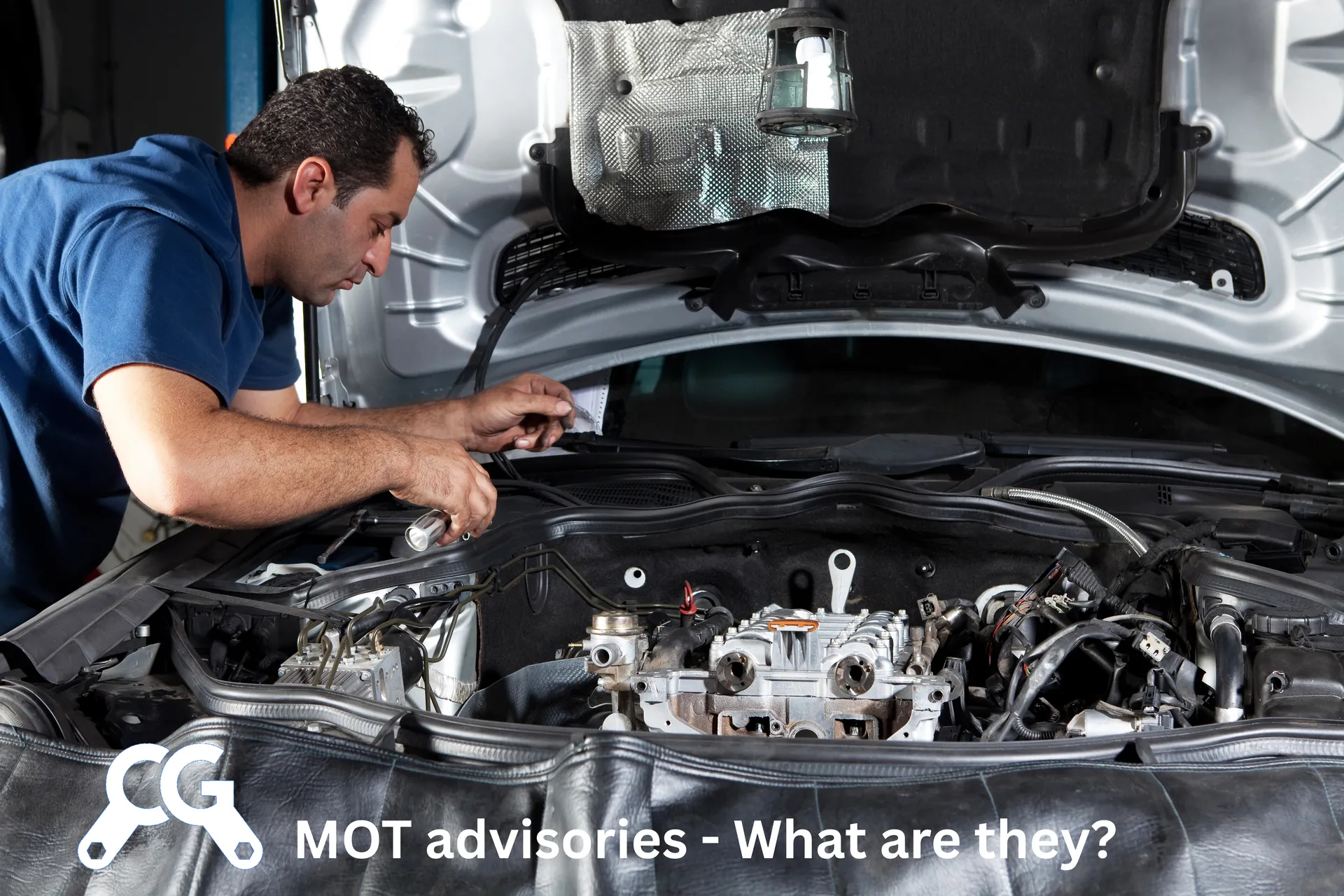
Every year, thousands of UK drivers receive MOT certificates with advisory notices, but many don't fully understand the MOT advisory meaning or what action they should take. An MOT advisory isn't a failure, but it's not something you should ignore either. These notices highlight issues that aren't serious enough to fail your vehicle now but could develop into major problems if left unattended. In 2026, understanding the difference between advisories, minor defects, and major defects is more important than ever, with stricter DVSA guidelines in place. In this comprehensive guide, you'll learn exactly what MOT advisories mean, how they differ from other defect categories, whether you can legally drive with them, and the practical steps you should take to address them before they become expensive repairs or roadworthiness issues.
What Does an MOT Advisory Mean?
An MOT advisory is a recorded note on your MOT certificate that highlights a component or system that shows early signs of wear or deterioration. It means your vehicle has passed its MOT test, but the examiner has identified something that may need attention in the near future. Understanding what does an MOT advisory mean is crucial for maintaining your vehicle's safety and avoiding potential failures at your next test.
The advisory notice serves as an early warning system. Think of it as your mechanic giving you a gentle heads-up rather than bad news. Your vehicle is still roadworthy and legal to drive, but the issue flagged could worsen over time. Advisories typically relate to components approaching the end of their service life or showing signs of corrosion, wear, or minor damage that doesn't yet compromise safety.
Advisories are recorded on the Vehicle Operator Services Agency (VOSA) database and remain visible on your MOT history. This transparency helps future owners understand the vehicle's maintenance needs and provides you with a documented timeline of developing issues. The MOT advisory meaning essentially translates to: 'monitor this closely and plan for maintenance'.
Common Examples of MOT Advisories
Typical advisories include brake pads worn but above minimum thickness, tyres approaching the legal tread depth limit, minor oil leaks that aren't actively dripping, corrosion on structural components that hasn't compromised integrity, and exhaust systems showing early signs of deterioration. You might also see advisories for slightly worn steering components, suspension bushes with minor perishing, or windscreen chips outside the driver's direct vision zone. These are all items that function adequately now but warrant your attention.
The Purpose of Advisory Notices
The advisory system exists to promote proactive vehicle maintenance rather than reactive repairs. By alerting you to developing problems, advisories help prevent unexpected breakdowns and expensive emergency repairs. They also give you time to budget for necessary work and shop around for competitive quotes. Most importantly, they contribute to road safety by encouraging drivers to address potential issues before they become dangerous failures.
MOT Advisory vs Minor vs Major Defect: Understanding the Categories
The MOT testing system categorises vehicle defects into three distinct levels, and understanding MOT advisory vs minor vs major defect classifications is essential for every driver. Since May 2018, the DVSA implemented clearer defect categories to help motorists better understand the severity of issues found during testing.
Advisories represent items that don't affect vehicle safety significantly but should be monitored. Minor defects are issues that don't have a significant effect on vehicle safety or the environment, and your vehicle will still pass its MOT. However, you should repair minor defects as soon as possible. Major defects are serious safety issues or problems that could damage the environment, and they result in an immediate MOT failure. Your vehicle cannot be driven legally until these are fixed.
Dangerous defects represent the most severe category. These pose an immediate risk to road safety or have a serious impact on the environment, resulting in automatic failure. More critically, driving a vehicle with dangerous defects is illegal, and you could face prosecution, fines, and penalty points. The police can prohibit you from driving the vehicle immediately.
How Examiners Categorise Defects
MOT testers follow strict DVSA guidelines when classifying defects. They assess the severity based on how the issue affects vehicle safety, environmental impact, and whether it compromises essential systems. For example, a brake pad measuring 2mm above the legal minimum might be an advisory, whilst one at the minimum becomes a minor defect, and one below triggers a major defect classification. The examiner's judgement considers the actual condition and measurable standards.
The MOT Defect Categories Explained in Practical Terms
Think of MOT defect categories explained as a traffic light system. Green (pass with no issues) means everything meets standards perfectly. Amber (advisory) suggests caution and future attention needed. Orange (minor defect) indicates you've passed but need prompt repairs. Red (major defect) means stop and fix immediately before driving. Black (dangerous defect) means do not drive under any circumstances. This visual approach helps drivers grasp the urgency level of each category quickly and respond appropriately.
Can I Drive with MOT Advisories? Understanding Your Legal Position
One of the most frequently asked questions is: can I drive with MOT advisories? The straightforward answer is yes, you can legally drive your vehicle with advisories on your MOT certificate. An advisory doesn't mean your vehicle is unroadworthy or illegal to operate on public roads. Your MOT pass certificate confirms the vehicle meets minimum safety and environmental standards required by law.
However, legal permission doesn't mean advisories should be ignored. Whilst you won't face prosecution or fines for driving with advisories, the issues flagged can deteriorate rapidly depending on your driving patterns and conditions. What's an advisory today could become a major defect by your next MOT or even sooner if you cover high mileage or drive in challenging conditions.
Check Common Car Problems
Search 559 million UK MOT records by year, make and model.
Know what the work should cost — get prices from garages near you
The responsible approach is to treat advisories as maintenance reminders rather than optional suggestions. Schedule repairs based on the severity and nature of the advisory. Some advisories are more urgent than others—a brake pad worn to 4mm requires more immediate attention than slight corrosion on a non-structural component. Consider your typical annual mileage, driving style, and when your next MOT is due when prioritising advisory repairs.
Insurance Implications of Driving with Advisories
Your insurance remains valid with advisories, but there's an important caveat. If an unaddressed advisory develops into a failure that causes an accident, your insurer might investigate whether negligence played a role. For example, if you ignored an advisory about worn brake pads and subsequently couldn't stop in time to prevent a collision, questions could arise about your duty of care. Maintaining your vehicle in roadworthy condition is part of your responsibility as a driver.
When Advisories Become Urgent
Certain advisories demand prompt attention even though they're technically not failures. Brake-related advisories, steering system wear, suspension issues affecting handling, and tyre condition warnings should be prioritised. If you notice any change in how your vehicle drives, handles, or sounds after receiving an advisory, have it inspected immediately. An advisory is a snapshot of condition on test day—things can worsen quickly, especially with safety-critical components.
Your Complete MOT Advisory List: What to Look For
Your MOT certificate contains a detailed MOT advisory list that's worth examining carefully. Understanding the specific language used helps you prioritise which items need immediate attention and which can wait. The DVSA uses standardised wording, so advisories across different test centres follow consistent terminology.
Brake system advisories typically reference measurements: 'Brake pad(s) wearing thin' suggests you're approaching minimum thickness. 'Brake disc worn, pitted or scored' indicates surface deterioration that hasn't yet compromised braking efficiency. These advisories are time-sensitive—brake components wear progressively, and what's acceptable today may not last until your next annual test.
Tyre advisories usually mention tread depth approaching the legal 1.6mm minimum or uneven wear patterns. 'Tyre worn close to legal limit' means you should replace tyres soon, as wet weather grip deteriorates significantly below 3mm even though 1.6mm is the legal minimum. Corrosion advisories describe rust affecting structural or safety-related components without currently compromising integrity. Terms like 'slight' or 'minor' indicate early-stage issues, whilst 'significant corrosion' suggests more advanced deterioration that should be addressed promptly.
Decoding Technical Advisory Language
MOT advisories use specific technical terminology. 'Play' refers to excessive movement in joints or bearings. 'Deteriorated' means condition has worsened from new. 'Slight' indicates early stages. 'Nearside' means the passenger side, 'offside' means the driver's side (in UK right-hand-drive vehicles). 'Pins' refer to brake pad thickness. Understanding these terms helps you grasp exactly what the examiner observed and communicate effectively with mechanics when obtaining repair quotes.
Advisory Severity Indicators
Whilst all advisories are technically non-urgent pass notes, the wording provides clues about priority. Phrases like 'worn thin', 'approaching minimum', or 'close to legal limit' suggest higher urgency than 'slight wear' or 'early deterioration'. Multiple advisories affecting the same system (like several suspension advisories) indicate comprehensive attention needed. An MOT advisory list with numerous items suggests a vehicle requiring significant maintenance investment soon.
What to Do About MOT Advisories: 5 Essential Steps
Receiving advisories doesn't mean panic, but it does require a considered response. Here's your practical action plan for addressing MOT advisories effectively and maintaining your vehicle's roadworthiness between tests.
First, request a detailed explanation from your MOT tester. Most examiners are happy to show you the advisory items and explain their findings. Seeing the worn brake pad or corroded component yourself helps you understand the issue's nature and urgency. Don't hesitate to ask questions—'How long before this needs attention?' or 'Will this definitely fail next year?' are entirely reasonable queries.
Second, prioritise advisories based on safety criticality and deterioration speed. Brake, steering, and tyre advisories should top your list. Structural corrosion requires attention before spreading. Minor cosmetic issues or slow-developing problems can wait longer. Create a maintenance schedule that addresses urgent items immediately and plans for others before your next MOT.
Third, obtain quotes from reputable garages for advisory repairs. Different workshops may offer varying prices for identical work, so compare at least three quotes where possible. Our directory helps you find trusted local garages with transparent pricing and good reputations. Fourth, keep records of all advisory-related repairs completed between MOTs. This documentation proves proactive maintenance and can be valuable for insurance purposes or when selling your vehicle.
Budgeting for Advisory Repairs
Create a realistic maintenance budget based on your MOT advisory list. Minor advisories like slightly worn wiper blades cost £10-20 to address, whilst more significant items like brake discs and pads might require £150-400 depending on your vehicle. Suspension bushes, exhaust sections, and steering components vary widely but typically range from £80-300 per corner or component. Getting quotes early allows you to save gradually rather than facing unexpected expenses when the advisory becomes a failure.
Monitoring Advisory Items Between Tests
Don't just address advisories and forget about them—actively monitor flagged components. Check brake pad thickness every few months if that was noted. Inspect tyres regularly for tread depth and condition. Listen for changes in noise from suspension or steering. Look underneath periodically for worsening corrosion or developing leaks. Proactive monitoring catches problems early, potentially preventing breakdowns and definitely avoiding next year's MOT failure. Set calendar reminders every three months to review your MOT advisory list and check those specific items.
How Long Do You Have to Fix MOT Advisories?
There's no legal timeframe requiring you to fix advisories, which differs significantly from major or dangerous defects that demand immediate attention. Technically, you could drive with the same advisories for years if they don't worsen. However, this approach is neither wise nor economical in the long term.
The practical timeframe depends entirely on the advisory's nature. Brake components typically need attention within 3-6 months if they're already worn enough to warrant an advisory. Tyres approaching legal limits might last 6-12 months for average mileage drivers but only weeks for high-mileage motorists. Corrosion advisories can remain stable for years or deteriorate within months depending on weather exposure and road salt during winter.
A sensible rule of thumb is addressing all advisories before your next MOT test. This approach prevents last-minute failures and the inconvenience of retests. It also allows you to plan maintenance during quieter periods when garages may offer better prices, rather than joining the rush of drivers seeking emergency repairs after failing their MOT. Consider that many advisories, if left unaddressed, will progress from advisory to minor defect to major failure, often requiring more extensive (and expensive) repairs once they've deteriorated further.
Cost Implications of Delaying Advisory Repairs
Postponing advisory repairs often increases eventual costs. A brake pad advisory today might cost £80 to rectify. Wait until the pads wear completely through, and you'll damage the discs too, potentially facing a £200-400 bill instead. Slight corrosion treated early with preventative coatings might cost £50; left until structural integrity is compromised could require welding or replacement costing hundreds. Early intervention almost always proves more economical than delayed action with vehicle maintenance.
Frequently Asked Questions
What happens if I ignore MOT advisories?
Ignoring MOT advisories won't result in legal penalties since your vehicle has passed its MOT test. However, advisory items typically deteriorate over time and will likely cause your vehicle to fail its next MOT. More seriously, ignored advisories can develop into safety issues, potentially causing breakdowns or accidents. Addressing advisories promptly is always more cost-effective than waiting for complete failure, as you'll often prevent more extensive damage requiring expensive repairs.
Do MOT advisories affect my car's value?
MOT advisories can impact your vehicle's resale value, particularly if there are multiple advisories or they relate to expensive repairs like suspension or structural corrosion. Potential buyers can check your MOT history online through the DVSA database, and extensive advisory lists may deter purchases or justify lower offers. Addressing advisories before selling demonstrates good maintenance and can actually enhance value by providing a clean MOT certificate with minimal warnings about future maintenance needs.
Can advisories turn into major defects before my next MOT?
Yes, advisories can definitely progress to minor, major, or even dangerous defects depending on how quickly the issue deteriorates. Brake components, tyres, and suspension parts particularly can worsen rapidly, especially with high mileage or harsh driving conditions. This is why treating advisories as maintenance reminders rather than optional suggestions is crucial. Regular checks of advisory items between MOTs help you catch deterioration early before it becomes a failure or safety hazard.
Should I get a second opinion on MOT advisories?
Getting a second opinion on advisories is reasonable if you're unsure about urgency or feel the advisory seems excessive. However, remember that MOT testers follow strict DVSA standards and have no financial incentive to record unnecessary advisories. Most advisories are legitimate observations of wear or deterioration. If you're concerned, ask the original tester to show you the issue and explain their reasoning. You can also have another garage inspect specific advisory items to confirm their condition and get repair quotes.
Local Insights
UK drivers face particular challenges that make MOT advisories especially relevant. Our variable weather conditions accelerate corrosion, with coastal areas and regions using heavy road salt during winter seeing faster deterioration of exhaust systems, brake components, and structural elements. The DVSA maintains consistent testing standards across England, Scotland, Wales, and Northern Ireland, ensuring advisories mean the same thing regardless of where your test occurs. With increasing numbers of older vehicles remaining on UK roads in 2026, understanding and addressing advisories helps maintain the safety standards our road network depends upon whilst managing maintenance costs effectively.
Conclusion
Understanding MOT advisory meaning empowers you to maintain your vehicle proactively rather than reactively. Advisories aren't failures or legal problems—they're valuable early warnings that help you prevent expensive repairs, avoid inconvenient breakdowns, and keep your vehicle safe between annual tests. By prioritising safety-critical advisories, budgeting for repairs, and monitoring flagged components regularly, you'll save money and maintain roadworthiness throughout the year. Remember that what's a simple advisory today can become a major defect tomorrow if neglected. Take action on your advisory list systematically, and you'll enjoy more reliable, safer motoring. Find trusted garages specialising in MOT advisory repairs near you through our comprehensive directory to get expert advice and competitive quotes for addressing your vehicle's advisories before they become failures.