Brake Pad and Disc Replacement Costs In The UK 2026: The Complete Price Guide
Wondering about brake pad replacement costs in the UK in 2026? You're not alone. With braking systems being critical to vehicle safety, understanding the costs involved in brake pad and disc replacement has never been more important for UK drivers. In 2026, brake replacement prices vary significantly depending on your vehicle type, location, and the parts you choose. This comprehensive guide breaks down everything you need to know about brake pad and disc replacement costs across the UK. You'll discover typical price ranges, factors affecting costs, ways to save money, and how to find trusted garages offering competitive rates. Whether you're facing squealing brakes or planning preventative maintenance, this guide will help you make informed decisions about your vehicle's braking system.
Average Brake Pad Replacement Cost UK 2026
Understanding typical pricing helps you budget effectively and avoid overpaying. The brake pad replacement cost in the UK in 2026 varies considerably based on several factors, but knowing the averages gives you a solid starting point.
For most standard family cars, front brake pads cost between £80 and £150 for parts and labour combined. This price typically includes fitting and disposal of old components. Rear brake pads price in the UK tends to be slightly lower, ranging from £70 to £130, though this isn't always the case for all vehicle types.
Luxury and performance vehicles command higher prices. Premium brands like BMW, Mercedes-Benz, and Audi typically see costs between £150 and £300 for front brake pads, whilst high-performance models can exceed £400. These vehicles often require specialist brake compounds and more time-consuming fitting procedures.
Labour costs across the UK generally range from £45 to £85 per hour, with London and the South East at the higher end. Most garages charge between one and two hours of labour for a straightforward brake pad replacement, though this increases if additional work is needed. Many garages offer fixed-price packages for brake services, which can provide better value than hourly rates.
Budget vs Premium Brake Pads
The quality of brake pads significantly affects both cost and performance. Budget brake pads typically cost £20-£40 per axle and offer adequate performance for standard driving conditions. Mid-range options (£40-£80) provide better stopping power, reduced brake dust, and longer lifespan. Premium ceramic or high-performance pads (£80-£200+) deliver superior braking, quieter operation, and extended durability, making them cost-effective over time despite the higher initial investment.
Regional Price Variations
Where you live in the UK impacts how much you'll pay. London and the South East typically see prices 15-25% higher than the national average due to increased property costs and labour rates. Northern England, Scotland, and Wales often offer more competitive pricing, with some garages charging 10-20% below the UK average. Urban areas generally cost more than rural locations, though rural garages might charge extra if they need to order specialist parts.
Brake Disc Replacement Cost UK: What to Expect
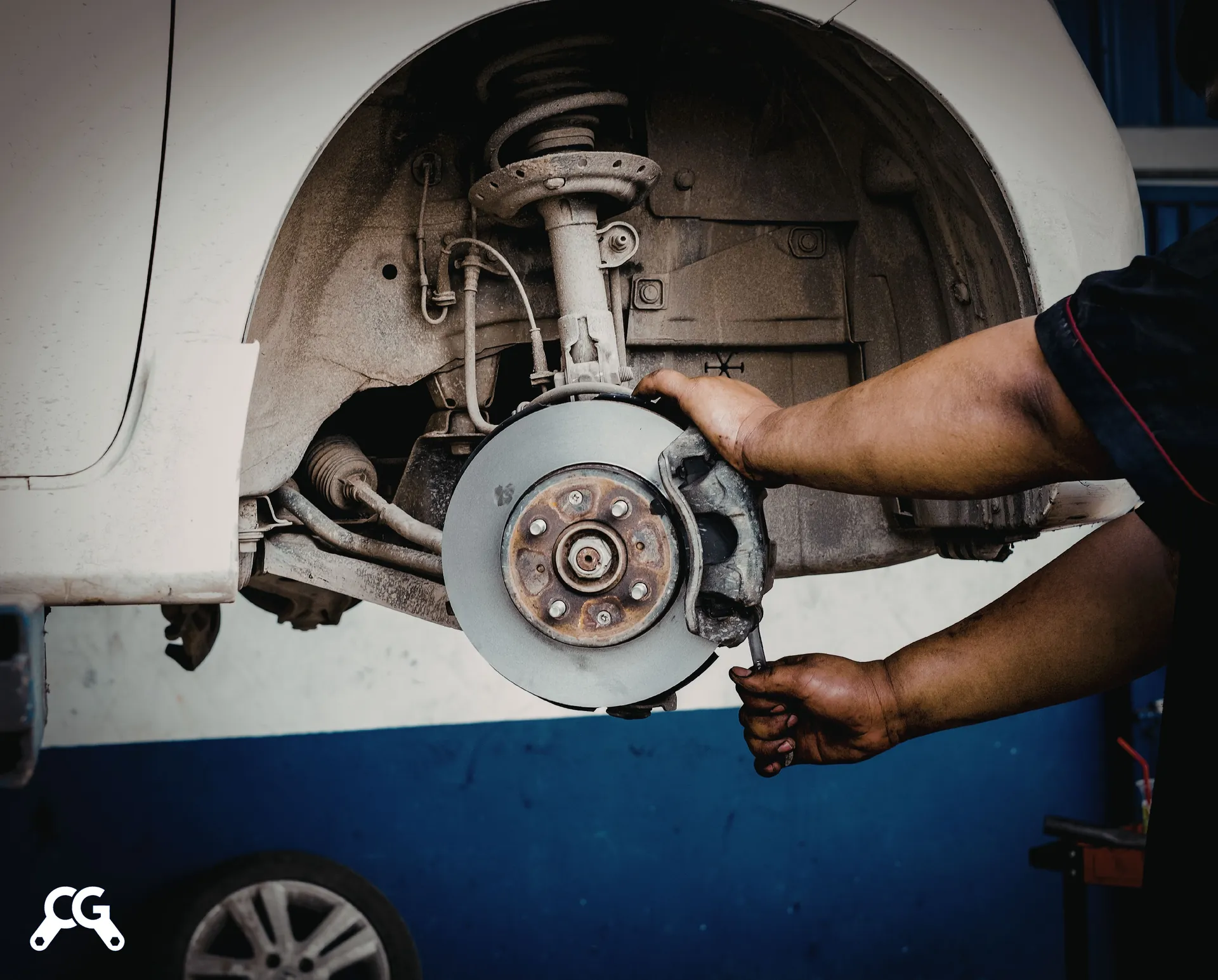
Brake discs (also called rotors) wear more slowly than pads but eventually require replacement. The brake disc replacement cost in the UK typically ranges from £120 to £250 per axle for standard vehicles, including parts and labour. This assumes you're only replacing the discs and not the pads simultaneously.
Front brake discs generally wear faster than rear discs because they handle approximately 70% of braking force. Standard front discs for family cars cost between £30 and £80 each, whilst rear discs range from £25 to £70. Performance vehicles with ventilated or drilled discs can cost £100-£300 per disc.
Many mechanics recommend replacing brake pads and discs together, particularly if your discs show significant wear. The brake pad and disc change cost for both front axles typically ranges from £200 to £400 for standard cars, representing better value than separate replacements due to reduced labour time.
Disc machining (skimming) offers a cost-effective alternative if your discs are only slightly worn or unevenly surfaced. This service costs £30-£60 per axle and can extend disc life by several thousand miles. However, this only works if sufficient disc thickness remains within manufacturer specifications and most of the time is not viable to consider.
Signs Your Brake Discs Need Replacing
Several warning signs indicate disc replacement is necessary. Visible scoring or grooves deeper than 1mm suggest the discs are worn beyond safe limits. Vibration or pulsing through the brake pedal often means warped discs, particularly common after heavy braking. Blue discoloration indicates overheating, which compromises disc integrity. Unusual squealing or grinding noises when braking typically signal metal-on-metal contact, requiring immediate attention.
Brake Pads Fitted: What the Labour Element Costs
A quoted price for brake work combines parts and fitting, and the labour share is often the larger of the two. Where pads are fitted on their own, one axle is usually around an hour to an hour and a half of workshop time. Where pads and discs are fitted together on the same axle, that typically runs to between one and a half and two hours.
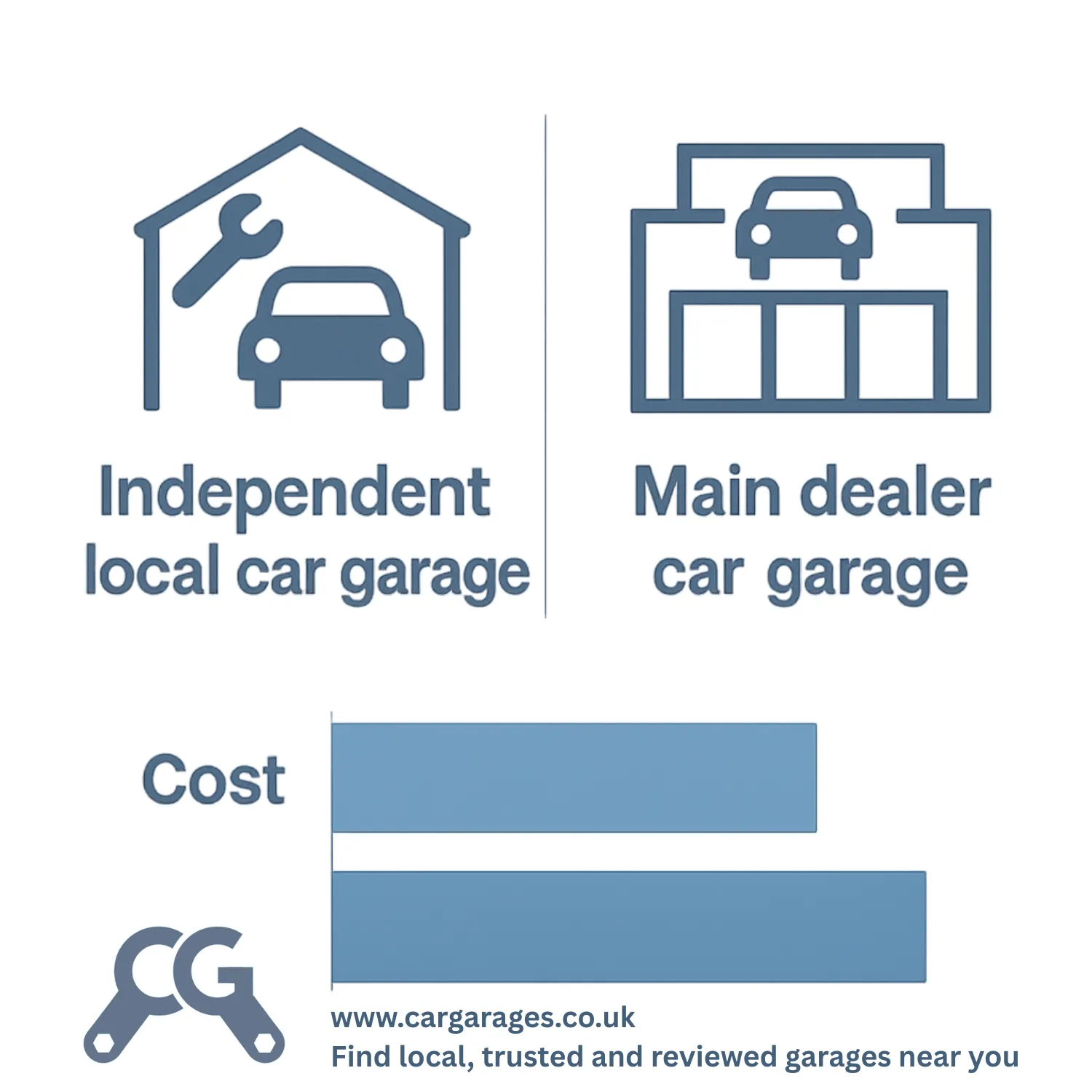
Set against UK garage hourly rates, that puts the labour element of a pads-only job at roughly £50 to £130 per axle at an independent garage, and £75 to £180 per axle where pads and discs are replaced together. Main dealer hourly rates are higher, which typically places the same pads-and-discs work between £135 and £360 per axle.
This is why two quotes for identical work can differ substantially while both are entirely reasonable. A garage charging £55 an hour and one charging £110 an hour will reach very different totals for the same parts and the same job.
Check Common Car Problems
Search 559 million UK MOT records by year, make and model.
Know what the work should cost — get prices from garages near you
Quoted figures also vary in what they cover. A brake pads fitted price may cover parts and labour together, or labour alone. Some are priced per axle, others for all four corners, and some include discs where others do not.
Factors Affecting How Much to Replace Brakes
Several variables determine your final brake replacement bill. Understanding these helps you anticipate costs and make informed decisions about your vehicle's maintenance.
Vehicle make and model significantly impact pricing. Mass-market brands like Ford, Vauxhall, and Volkswagen benefit from readily available, competitively priced parts. Specialist or imported vehicles require specific parts that cost more and take longer to source. Electric and hybrid vehicles often use regenerative braking systems with different components that may require specialist knowledge.
Part quality represents another crucial factor. Original Equipment Manufacturer (OEM) parts match your vehicle's original specification but typically cost 20-40% more than aftermarket alternatives. Quality aftermarket brands offer comparable performance at lower prices, whilst budget options sacrifice longevity and performance for initial savings.
The garage type you choose affects labour costs and service quality. Independent garages often offer competitive rates whilst maintaining high standards. Franchise operations provide consistent pricing and warranty terms across locations. Main dealers charge premium rates but use manufacturer-trained technicians and genuine parts.
Your vehicle's age and condition may reveal additional issues during brake work. Corroded brake caliper bolts, damaged dust shields, or seized caliper pistons increase both time and cost. Garages typically quote for standard replacement but may need to revise estimates if complications arise.
Additional Services That Increase Costs
Brake fluid replacement adds £40-£80 to your bill but is essential every two years to maintain braking performance. Brake caliper servicing or replacement costs £80-£200 per caliper when pistons seize or leak. Brake line replacement becomes necessary if corrosion compromises safety, adding £100-£300 depending on complexity. These services, whilst increasing immediate costs, prevent more expensive failures and maintain optimal braking performance.
5 Ways to Reduce Your Brake Replacement Costs
Smart approaches help you maintain safe brakes without overspending. These strategies balance cost-effectiveness with safety and reliability.
Compare quotes from multiple garages. Prices vary significantly between providers, even in the same area. Obtain at least three detailed quotes specifying parts quality, labour time, and any additional services. Online garage directories like ours make comparison shopping straightforward, helping you identify competitive rates without compromising quality.
Consider quality aftermarket parts. Reputable aftermarket brands like Brembo, Pagid, and Mintex offer excellent performance at 20-30% below OEM prices. These manufacturers often supply OEM components under their own branding, providing identical quality with different packaging. Avoid unknown budget brands that compromise safety for minimal savings.
Address brake issues promptly. Early intervention prevents minor problems becoming expensive repairs. Squealing brake pads typically need replacement soon, but delaying until grinding begins can damage discs, increasing costs by £150-£300. Regular inspections catch wear before it causes secondary damage.
Maintain your braking system properly. Annual brake fluid checks and replacement every two years prevent moisture contamination that corrodes components. Clean wheels regularly to reduce brake dust accumulation, which accelerates pad wear. Smooth, progressive braking rather than harsh stops extends component life significantly.
Bundle services strategically. Many garages offer package deals combining brake work with MOT tests, servicing, or tyre replacement. These packages typically save 10-15% compared to individual services. Schedule brake replacement alongside planned maintenance to maximise labour efficiency and reduce overall costs.
Front Brake Pads Cost vs Rear Brake Pads: Understanding the Difference
Many drivers wonder why front and rear brake costs differ. The explanation lies in how modern braking systems distribute stopping force.
Front brakes handle approximately 60-70% of braking force due to weight transfer during deceleration. This means front brake pads wear significantly faster than rear pads, typically requiring replacement every 25,000-40,000 miles compared to 40,000-70,000 miles for rear pads. Consequently, you'll replace front pads more frequently throughout your vehicle's life.
Front brake pads cost slightly more than rear pads for several reasons. They're typically larger to handle increased thermal loads and braking forces. Many modern vehicles use more sophisticated front brake systems with additional wear sensors and mounting hardware. Installation can be more complex, particularly on vehicles with electronic parking brakes or advanced driver assistance systems.
Rear brake systems vary more between vehicles. Some use traditional disc brakes, whilst others employ drum brakes that combine different components. Drum brake shoes typically last longer than disc pads but require different servicing procedures. Vehicles with electronic parking brakes integrated into rear calipers require specialist tools and knowledge, increasing labour time and costs.
You don't always need to replace all four corners simultaneously. If only your front pads are worn, replacing just those is perfectly acceptable and safe. However, replacing both front or both rear pads together ensures even braking performance and is standard practice.
When to Replace Brake Pads and Discs Together
Deciding whether to replace components separately or together affects both immediate costs and long-term value. Several scenarios favour combined replacement.
If your brake discs measure below minimum thickness specifications, replacing them with the pads is mandatory. Most garages check disc thickness during pad replacement and advise accordingly. Fitting new pads to worn discs compromises braking performance and accelerates new pad wear, wasting money.
Significant disc scoring or grooving necessitates replacement even if thickness remains adequate. Deep grooves prevent proper pad contact, reducing braking efficiency and causing premature pad wear. New pads on scored discs won't bed in correctly, diminishing their effectiveness and lifespan.
Combining replacements saves labour costs because the mechanic performs most work whilst accessing the pads anyway. Removing wheels, calipers, and old pads represents the majority of labour time. Fitting new discs adds only 15-30 minutes per axle, meaning labour costs increase minimally whilst you benefit from completely refreshed brakes.
Vehicles approaching 60,000-80,000 miles often benefit from combined replacement. At this mileage, discs are typically 50-70% worn, meaning they'll need replacement within the next pad change anyway. Replacing both together avoids repeating labour costs within 20,000-30,000 miles.
Consider your vehicle's age and intended ownership duration. If you plan to keep your car for several more years, investing in complete brake refurbishment provides peace of mind and optimal performance. If you're selling soon, replacing only worn components makes financial sense.
Frequently Asked Questions
How much does it cost to replace brake pads and discs on both front wheels in the UK?
For standard family cars, replacing both front brake pads and discs typically costs between £200 and £400 in 2026. This includes parts and labour for both wheels. Premium and performance vehicles can cost £400-£800 due to higher-specification components and increased labour time. Obtaining quotes from multiple garages helps you find competitive pricing whilst ensuring quality workmanship.
Can I replace just brake pads without changing the discs?
Yes, you can replace brake pads without changing discs if the discs remain above minimum thickness and show no significant scoring, warping, or damage. Your mechanic should measure disc thickness and check for damage during pad replacement. If discs are in good condition, replacing only pads is perfectly safe and represents a cost-effective maintenance approach.
How often should brake pads be replaced in the UK?
Most brake pads require replacement every 25,000-50,000 miles, though this varies significantly based on driving style and conditions. City driving with frequent stops wears pads faster than motorway driving. Have your brakes inspected annually or if you notice squealing, reduced braking performance, or vibration. Regular inspections catch wear before it becomes dangerous or damages other components.
Are premium brake pads worth the extra cost?
Premium brake pads typically justify their higher cost through longer lifespan, better stopping power, reduced noise, and less brake dust. Whilst budget pads cost £20-£40 per axle and premium pads £80-£200, premium options often last twice as long and provide superior performance. For drivers covering high mileage or valuing optimal braking performance, premium pads offer better long-term value despite higher initial costs.
Where Brake Failures Are Most Common in the UK
Our analysis of DVSA MOT records covers 31.9 million tests across 96 UK postcode areas in 2024. Brake-related failures averaged 100.5 per 1,000 tests nationally, and the gap between areas is wide.
The highest recorded rates were Kirkcaldy (KY) at 207.2 per 1,000 tests, Aberdeen (AB) at 196.9, Truro (TR) at 175.6 and Plymouth (PL) at 159.9. The lowest were Romford (RM) at 40.7, East London (E) at 41.7, Enfield (EN) at 43.8 and Twickenham (TW) at 46.4.
That is a five-fold difference between the highest and lowest areas. The areas recording the highest rates cluster in Scotland and the coastal South West, while the lowest are all within Greater London.
MOT data records what testers found, not why they found it. It does not capture road surface, salt use, driving patterns, vehicle age or servicing history, so these figures show the spread without explaining it.
Source: DVSA MOT test data, 2024. Postcode areas with more than 150,000 tests.
Conclusion
Understanding brake pad replacement cost UK 2026 empowers you to make informed decisions about your vehicle's safety and maintenance budget. Remember that typical costs range from £80-£400 depending on your vehicle type, part quality, and whether you're replacing pads, discs, or both. Don't wait until MOT failure or dangerous grinding noises force your hand—regular inspections and proactive replacement save money and ensure your safety. Quality brake components and professional fitting represent worthwhile investments in your vehicle's most critical safety system. Ready to find competitive brake replacement quotes? Compare trusted local garages offering transparent pricing and expert service for brake pad replacement near you today. Your brakes deserve professional attention from qualified technicians who understand the importance of this essential safety system.