Car Diagnostic Check Explained: What It Is, What It Costs and When You Need One
That dreaded engine management light has just illuminated on your dashboard – now what? Understanding car diagnostic check costs in the UK is essential for every motorist in 2026, as these sophisticated electronic scans have become fundamental to modern vehicle maintenance. Whether you're dealing with a persistent warning light or simply want to understand your car's health before an MOT, diagnostic testing provides crucial insights into your vehicle's performance. In this comprehensive guide, you'll discover exactly what a car diagnostic test involves, how much you should expect to pay across the UK, when your vehicle needs one, and how to find the best value without compromising on quality. Let's demystify this essential automotive service and help you make informed decisions about your vehicle's care.
What Is a Car Diagnostic Test?
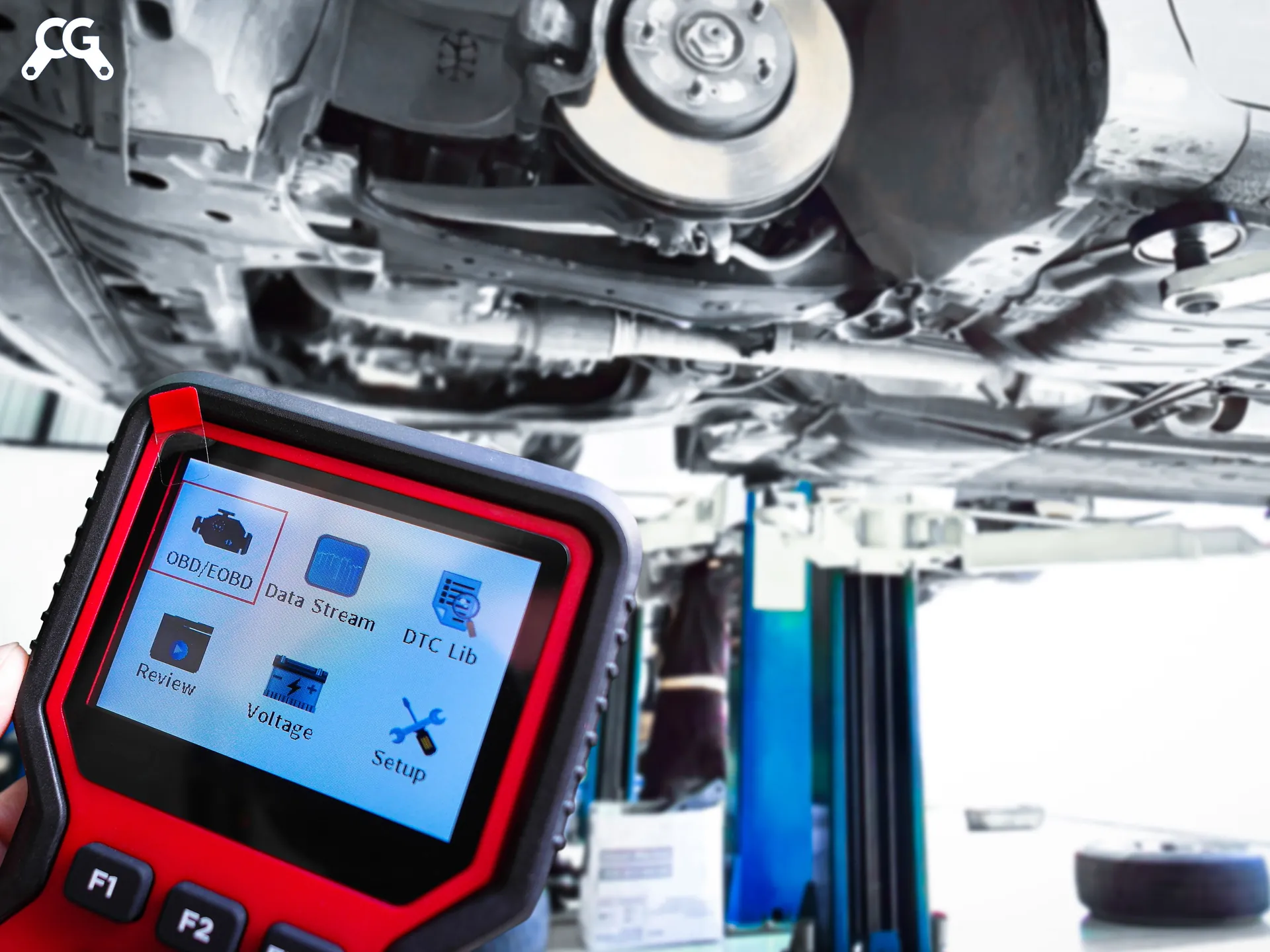
A car diagnostic test is a computerised scan of your vehicle's electronic systems that identifies fault codes and performance issues. Modern cars contain dozens of electronic control units (ECUs) that constantly monitor everything from engine performance to emissions, brakes, and safety systems. When something goes wrong, these systems generate fault codes that a diagnostic scanner can read and interpret.
The process involves connecting a diagnostic tool – typically an OBD-II (On-Board Diagnostics) scanner – to your car's diagnostic port, usually located beneath the dashboard. This port provides direct access to your vehicle's computer systems, allowing technicians to retrieve stored fault codes, view live sensor data, and assess system performance in real-time.
Download our free pre-MOT checklist where we identify each and every dashboard warning light!
How OBD Diagnostic Technology Works
OBD-II technology became standard in petrol vehicles manufactured after 2001 and diesel vehicles after 2004 in the UK. The system continuously monitors sensors throughout your car, including oxygen sensors, mass airflow sensors, catalytic converters, and ignition components. When parameters fall outside normal operating ranges, the system logs a diagnostic trouble code (DTC) – typically a five-character alphanumeric code like 'P0420' or 'P0171'. These codes provide technicians with specific information about which system is malfunctioning and the nature of the problem.
What Information Diagnostic Scans Reveal
A comprehensive diagnostic scan reveals far more than just fault codes. Professional-grade scanners can access manufacturer-specific data, view freeze-frame information showing conditions when a fault occurred, monitor live sensor readings, and even perform component tests. This data helps mechanics pinpoint issues quickly rather than relying on time-consuming trial-and-error diagnostics. You'll receive information about engine performance, transmission issues, ABS and airbag system faults, emissions problems, and electrical system anomalies. Find local trusted and reviewed garages near you to help diagnose your issues today.
Car Diagnostic Check Cost UK: What You'll Pay in 2026
Understanding what a car diagnostic test is worth, financially helps you budget appropriately and avoid overpaying. The car diagnostic check cost in the UK varies considerably depending on several factors, but you can expect to pay between £40 and £100 for a standard diagnostic scan at most garages across Britain.
Independent garages typically charge between £40 and £60 for a basic OBD diagnostic scan, whilst franchised dealers often charge £80 to £150 for the same service. Fast-fit centres and mobile mechanics usually fall somewhere in the middle, around £50 to £80. Some garages offer free diagnostic checks if you proceed with the recommended repairs, though it's worth confirming this policy beforehand.
Factors Affecting OBD Diagnostic Scan Cost
Several variables influence the final price you'll pay. Location plays a significant role – London and Southeast England typically command higher prices than northern regions or rural areas. The complexity of your vehicle matters too; luxury brands like BMW, Mercedes-Benz, and Audi often require manufacturer-specific diagnostic equipment, which may increase costs to £100-£150. The depth of investigation also affects pricing – a quick fault code read takes 15 minutes, whilst a comprehensive system analysis might require 45-60 minutes and cost proportionally more. Check out our recent blog on costs varying by region.
What's Included in the Price
A standard diagnostic check should include connecting the scanner to your vehicle, retrieving all stored fault codes from accessible systems, providing a printout or digital report of findings, and a basic explanation of what the codes mean. However, the diagnostic fee typically covers identification only – actual repairs are quoted separately. Some garages include code clearing in the price, whilst others charge an additional £10-£20 for this service. Always clarify what's included before authorising the work.
When You Need an Engine Management Light Diagnostic
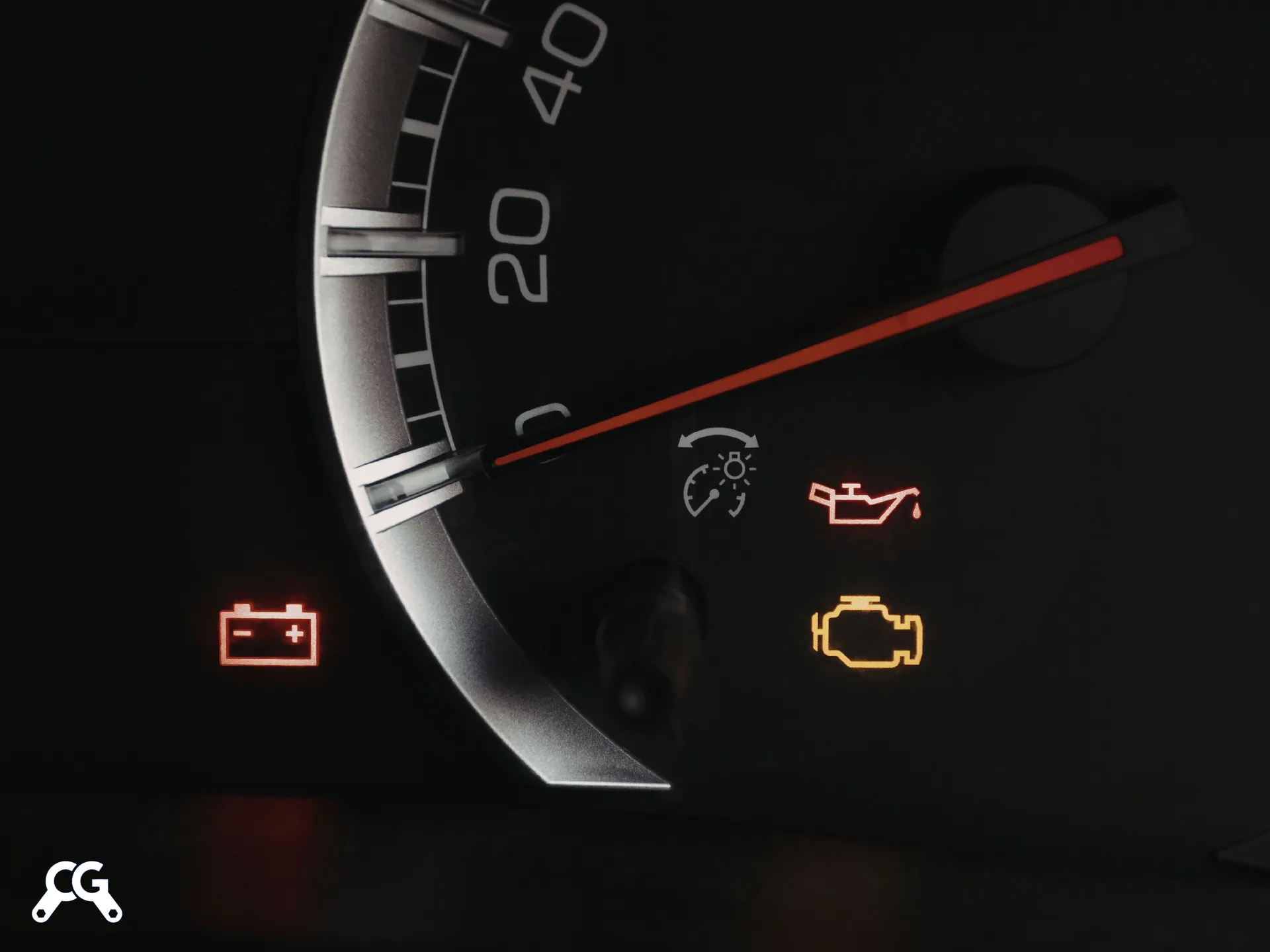
Knowing when to seek an engine management light diagnostic can save you from costly damage and potential MOT failures. The most obvious indicator is when your dashboard warning lights illuminate – particularly the engine management light (also called the check engine light), which indicates the engine control unit has detected a problem. We have a free download that explains what each light means, get yours now.
Check Common Car Problems
Search 559 million UK MOT records by year, make and model.
Find a Trusted Garage Near You — Search over 10,000 verified UK garages
However, you shouldn't wait for warning lights to consider diagnostic testing. If you notice unusual symptoms like poor fuel economy, rough idling, loss of power, excessive exhaust smoke, or strange noises, a diagnostic scan can identify underlying issues before they escalate. Additionally, pre-MOT diagnostic checks have become increasingly popular, as they allow you to address potential failures beforehand.
Dashboard Warning Lights That Require Immediate Diagnostics
Different warning lights indicate varying levels of urgency. The red engine management light or flashing amber light requires immediate attention – continuing to drive could cause serious damage. A steady amber engine light indicates a problem that needs addressing soon but isn't immediately dangerous. The ABS warning light, airbag light, and brake system warning light also warrant prompt diagnostic investigation, as they relate to safety-critical systems. Even seemingly minor lights like the DPF (diesel particulate filter) warning should be investigated promptly to prevent expensive repairs.
Preventative Diagnostic Testing
Many motorists now schedule annual diagnostic checks as preventative maintenance, similar to servicing. This proactive approach can identify developing problems before they cause breakdowns or failures. If you're purchasing a used vehicle, a pre-purchase diagnostic scan provides valuable insight into potential hidden issues. Similarly, before long journeys or if you're experiencing intermittent problems that don't trigger consistent warning lights, a diagnostic test offers peace of mind and can prevent inconvenient breakdowns.
Finding a Fault Code Reader Garage: What to Look For
Selecting the right fault code reader garage ensures accurate diagnostics and fair pricing. Not all diagnostic services are created equal – the quality of equipment, technician expertise, and depth of analysis vary significantly between providers. Your choice should balance cost, convenience, and capability.
Look for garages that use professional-grade diagnostic equipment rather than basic code readers. Whilst handheld scanners from automotive retailers can read basic fault codes, they lack the depth and manufacturer-specific capabilities of professional systems. Reputable garages invest in equipment from brands like Bosch, Snap-on, or manufacturer-specific tools that access deeper system data.
Independent Garages vs Franchised Dealers
Independent garages often provide excellent value for diagnostic services, with many now equipped with the same professional diagnostic tools as main dealers. They typically charge lower hourly rates whilst maintaining high standards of expertise. Franchised dealers have direct access to manufacturer diagnostic systems and technical bulletins, which can be advantageous for complex issues or newer vehicles still under warranty. Fast-fit centres offer convenient, competitively-priced diagnostics, though they may refer complex issues to specialist workshops. Each type of garage has strengths, and your choice depends on your vehicle's age, complexity, and warranty status. Read more about Independents vs Main dealers here.
Questions to Ask Before Booking
Before scheduling your diagnostic appointment, confirm the total cost including VAT, what the price includes, and whether there are additional charges for code clearing or detailed reports. Ask whether they use manufacturer-specific diagnostic equipment for your vehicle brand, how long the diagnostic process takes, and what format you'll receive the results in. Clarify their policy on repair estimates – will they provide a detailed quote based on diagnostic findings? Understanding these details upfront prevents surprises and helps you choose the most suitable provider for your needs.
Understanding Your Diagnostic Report: Common Fault Codes Explained
Receiving your diagnostic report can feel overwhelming if you're unfamiliar with fault codes and technical terminology. However, understanding the basics empowers you to make informed decisions about repairs and verify that recommended work addresses the identified problems.
Fault codes follow a standardised format: the first character indicates the system (P for Powertrain, C for Chassis, B for Body, U for Network), the second digit shows whether it's a generic or manufacturer-specific code, and the remaining digits specify the exact fault. For example, 'P0420' is a generic powertrain code indicating catalyst system efficiency below threshold.
Most Common Fault Codes and What They Mean
Some codes appear more frequently than others. P0420 and P0430 relate to catalytic converter efficiency – often caused by deteriorating catalysts or faulty oxygen sensors. P0171 and P0174 indicate the engine is running too lean, potentially due to vacuum leaks or faulty mass airflow sensors. P0300 signals random engine misfires, whilst P0301-P0308 pinpoint specific cylinder misfires. Understanding these common codes helps you assess whether recommended repairs align with the diagnosed problem and whether the issue is minor or requires urgent attention.
What Happens After Fault Codes Are Identified
Identifying fault codes is just the beginning – skilled technicians use this information as a starting point for further investigation. A code indicates a symptom rather than necessarily pinpointing the exact failed component. For instance, an oxygen sensor code might result from a faulty sensor, but could also indicate exhaust leaks, fuel system problems, or even simple issues like a loose fuel cap. A thorough garage will combine diagnostic data with visual inspections, component testing, and technical knowledge to identify the root cause before recommending repairs.
DIY Diagnostic Tools vs Professional Testing: What's the Difference?
The growing availability of consumer-grade diagnostic scanners raises the question: can you perform your own diagnostic checks? Whilst basic OBD-II readers are available from £20 upwards, and smartphone apps with Bluetooth adapters cost even less, there are significant limitations compared to professional diagnostic services.
Consumer-grade scanners typically read and clear basic fault codes from the engine management system, but they lack access to manufacturer-specific codes, advanced systems like ABS and airbags, and live data analysis capabilities. They provide the 'what' but rarely the 'why' behind a fault code. For straightforward issues or to determine whether a warning light justifies an immediate garage visit, DIY tools offer value. However, for accurate diagnosis and repair planning, professional equipment and expertise remain essential.
When DIY Diagnostic Tools Are Sufficient
Basic diagnostic readers serve well for simple tasks: checking why your engine management light illuminated, clearing codes after minor repairs to see if they return, or monitoring basic parameters like coolant temperature and engine RPM. If you're mechanically inclined and dealing with common issues on older vehicles, a DIY scanner provides useful information. They're also valuable for verifying that garage-performed repairs have actually resolved the logged faults before you leave the premises.
Why Professional Diagnostics Remain Necessary
Professional diagnostic systems access far deeper into your vehicle's systems than consumer tools. They retrieve manufacturer-specific codes that generic scanners cannot detect, view detailed freeze-frame data showing exact conditions when faults occurred, and perform active tests where components can be commanded on and off to verify operation. Perhaps most importantly, skilled technicians interpret diagnostic data within the context of symptoms, vehicle history, and technical service bulletins. This expertise transforms raw data into accurate diagnoses – something no scanner, regardless of price, can achieve alone.
Frequently Asked Questions
How long does a car diagnostic test take?
A standard car diagnostic test typically takes between 15 and 45 minutes, depending on the depth of investigation required. A basic fault code scan might take just 15-20 minutes, whilst a comprehensive system analysis examining multiple control units and reviewing live data can require 45-60 minutes. More complex issues requiring additional testing may extend this timeframe further.
Will a diagnostic test tell me exactly what needs fixing?
A diagnostic test identifies fault codes and system anomalies, but it doesn't always pinpoint the exact failed component. Fault codes indicate symptoms rather than definitive causes – for example, an oxygen sensor code might result from a faulty sensor, exhaust leaks, or fuel system issues. Experienced technicians use diagnostic data as a starting point for further investigation to identify the root cause before recommending specific repairs.
Can I drive my car with the engine management light on?
This depends on the light's colour and behaviour. A steady amber engine management light indicates a problem that needs addressing soon but typically isn't immediately dangerous for short journeys. However, a red engine warning light or flashing amber light requires immediate attention – continuing to drive could cause serious engine damage. If you experience loss of power, unusual noises, or smoke alongside any warning light, stop driving and seek professional assistance immediately.
Do I need a diagnostic test before my MOT?
Whilst not legally required, a pre-MOT diagnostic check is increasingly popular and sensible. Many MOT failures relate to emissions and electronic systems that diagnostic scans can identify beforehand. Addressing these issues before your test prevents MOT failures and the inconvenience of retests. Since May 2018, stricter MOT rules mean some faults that previously warranted advisories now result in failures, making pre-MOT diagnostics particularly valuable.
Local Insights
UK motorists face unique challenges that make regular diagnostic testing particularly important. Britain's variable weather conditions – from harsh winter temperatures to summer heat – can trigger sensor faults and system anomalies. Additionally, the UK's MOT testing regime has become increasingly stringent, with electronic system checks forming a crucial part of the annual test for vehicles over three years old. The DVSA now includes emissions monitoring system checks in MOT testing, meaning unresolved diagnostic faults can lead to test failures. Whether you're navigating London's stop-start traffic or covering motorway miles across Scotland, diagnostic testing helps ensure your vehicle remains roadworthy and compliant with UK regulations.
Conclusion
Understanding what a car diagnostic test involves, what it costs, and when you need one empowers you to maintain your vehicle effectively and avoid unnecessary expenses. A diagnostic check costing between £40 and £100 provides invaluable insight into your car's electronic systems, helping identify problems before they escalate into costly repairs or MOT failures. Whether you're responding to a dashboard warning light or scheduling preventative testing, choosing a reputable garage with professional equipment ensures accurate diagnosis and fair pricing. Don't ignore that engine management light or dismiss unusual symptoms – early diagnostic investigation saves money and prevents inconvenient breakdowns. Find trusted garages offering competitive car diagnostic checks near you through our comprehensive directory. Take control of your vehicle's health today and enjoy the peace of mind that comes with knowing exactly what's happening under the bonnet.