Electric Car MOT in The UK: The Ultimate Guide to What's Different and What Gets Checked in 2026
Do electric cars need an MOT? If you're driving an EV in the UK, the short answer is yes – but the process differs significantly from conventional vehicles. With over 1.2 million electric vehicles now on British roads in 2026, understanding the electric car MOT UK requirements has never been more important. While EVs don't have exhausts or complex fuel systems, they still require thorough annual testing once they reach three years old. This guide explains exactly what's different about an EV MOT, what components get inspected, and how to prepare your electric or hybrid vehicle for its test. You'll discover the unique checks specific to electric powertrains, what's excluded compared to petrol cars, and essential maintenance tips to ensure your EV passes first time.
Do Electric Cars Need an MOT? Understanding the Legal Requirements
Many new EV owners wonder whether electric vehicles are exempt from MOT testing. The reality is that the electric car MOT test follows the same legal framework as conventional vehicles. If your electric car is over three years old, it requires an annual MOT certificate to remain road-legal in the UK, just like petrol and diesel vehicles.
The DVSA hasn't created a separate MOT category for electric vehicles. Instead, examiners follow adapted procedures that account for EV-specific components whilst omitting irrelevant checks. Your MOT certificate will look identical to one issued for a conventional car, and the legal consequences of driving without a valid MOT remain the same – including potential fines up to £1,000 and invalidated insurance.
Hybrid vehicles follow identical rules, though the test combines elements from both electric and conventional vehicle checks. Plug-in hybrids undergo emissions testing for their petrol or diesel engines, alongside visual inspections of their electric components. This makes the hybrid car MOT potentially more comprehensive than either pure EVs or traditional vehicles alone.
When Your Electric Vehicle Needs Its First MOT
Your EV's first MOT becomes due three years after its initial registration date, not from when you purchased it. Check your V5C logbook for the exact registration date. After the first test, annual MOTs are required every 12 months. You can book your test up to one month before the expiry date whilst keeping your current certificate's anniversary.
MOT Exemptions That Don't Apply to EVs
Historic vehicle exemption only applies to vehicles over 40 years old, which currently excludes all electric cars on UK roads. Even if future classic EVs reach this age, they'll still need to maintain their original specifications to qualify for exemption, just like conventional classics do today.
EV MOT: What Is Different Compared to Conventional Vehicle Testing
The most significant difference in an electric car MOT UK test is what doesn't get checked. Traditional combustion engine examinations become redundant when there's no exhaust system, fuel tank, or engine oil to inspect. However, this doesn't make EV MOTs inherently easier – instead, examiners focus intensively on different components.
Electric vehicles undergo all standard safety checks covering brakes, suspension, tyres, lights, and structural integrity. These examinations remain identical whether you're driving a Tesla Model 3 or a Ford Fiesta. The examiner will still check your windscreen for damage, test your horn and wipers, and inspect your seatbelts thoroughly.
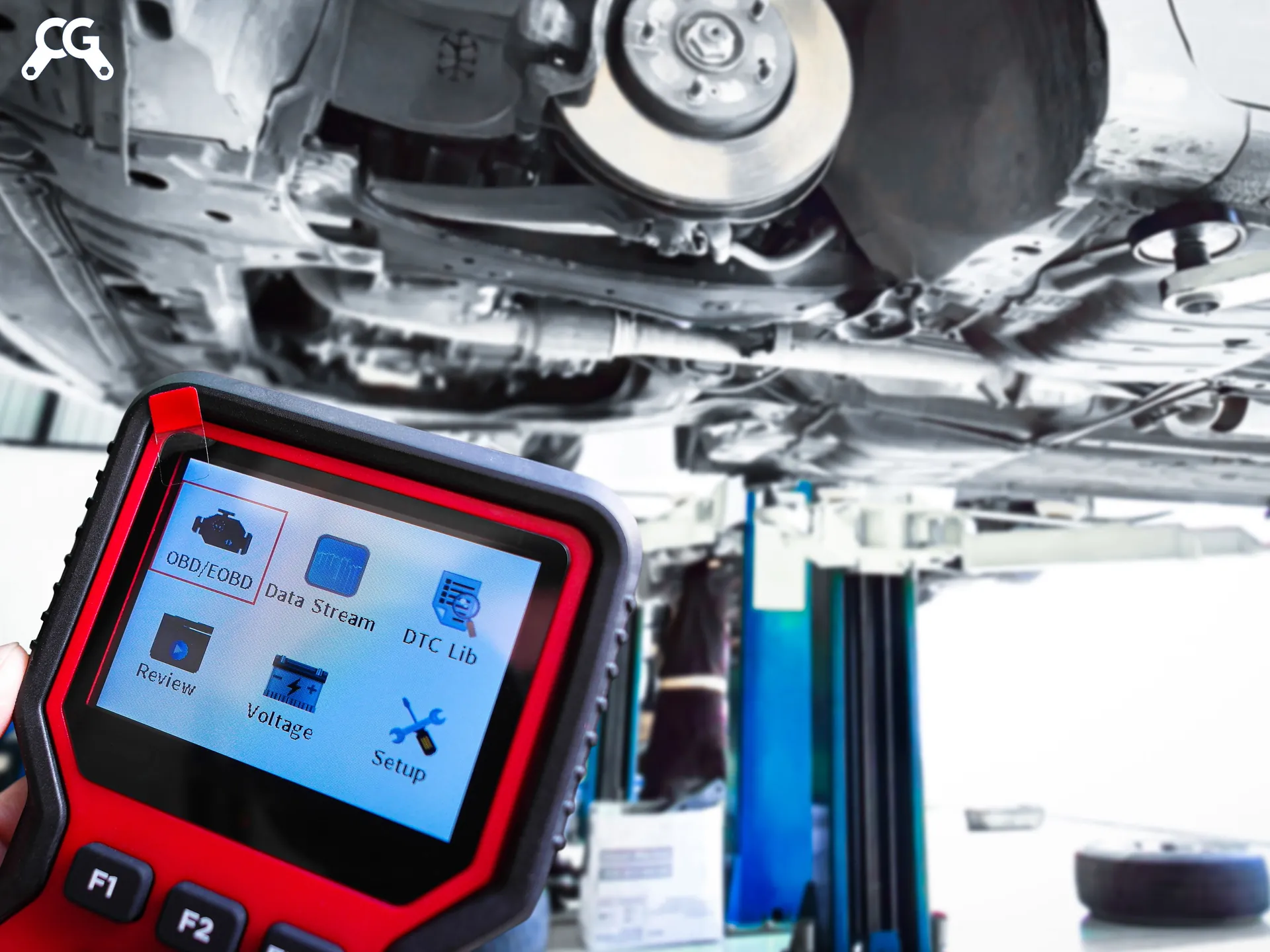
What changes dramatically is the powertrain inspection. MOT testers examine high-voltage battery systems, electric motor mountings, and power cables for damage or deterioration. They'll look for warning lights on your dashboard, particularly those indicating battery or charging system faults. Any orange or red warning lights related to the electric drivetrain constitute an MOT failure.
What Gets Removed From EV MOT Checks
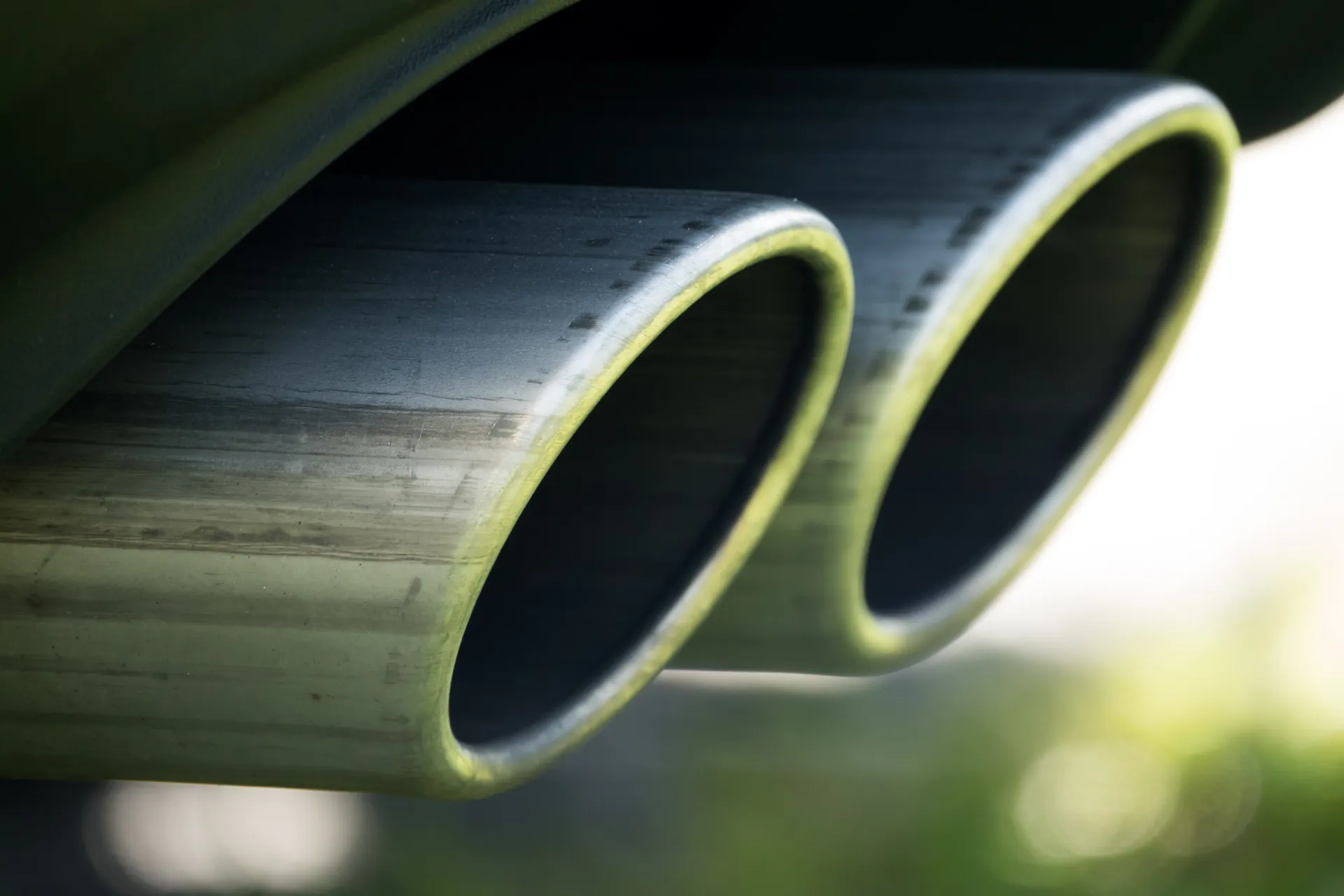
Electric vehicles skip the emissions test entirely – the most obvious difference you'll notice. There's no exhaust system to inspect, no catalytic converter to check, and no fuel system examination. Engine noise testing becomes irrelevant, as does checking for oil leaks or coolant issues related to conventional engines. This typically reduces testing time by 5-10 minutes compared to petrol or diesel vehicles.
Additional EV-Specific Inspections
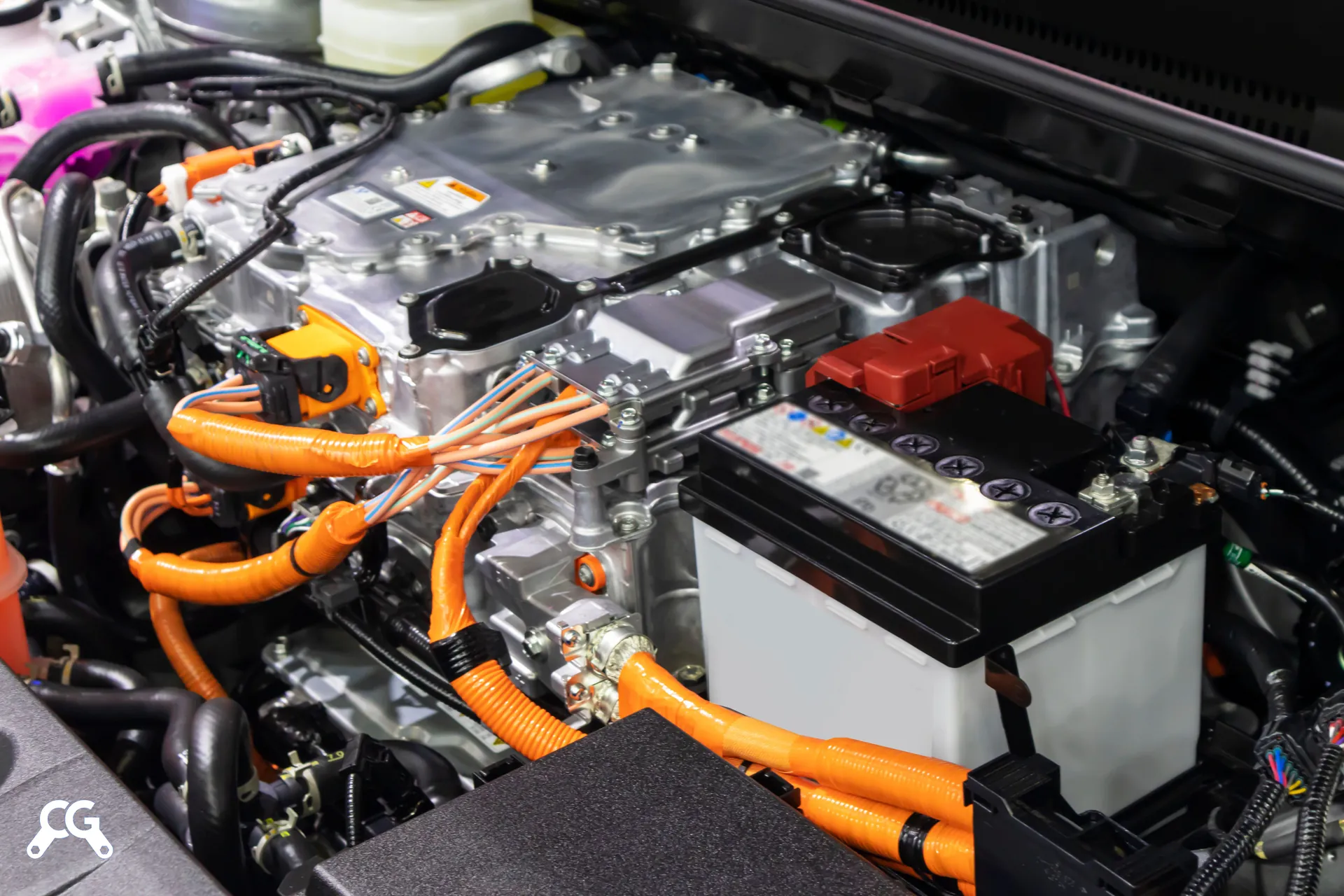
Testers perform visual inspections of your EV's high-voltage electrical system, checking for exposed wiring, damaged insulation, or corroded connections. They'll examine cable routing to ensure nothing's chafing or at risk of damage. The electric motor mountings get checked for security and damage, similar to how engine mounts are inspected on conventional cars. Battery pack security and any visible damage to the underside housing are also examined.
What Is Checked in an EV MOT: The Complete Inspection Breakdown
Understanding exactly what components undergo scrutiny helps you prepare your electric vehicle properly. The electric car MOT test covers approximately 60% of the same items as conventional vehicles, with the remaining 40% being EV-specific or adapted checks.
Your braking system receives particular attention during an EV MOT. Many electric vehicles use regenerative braking that reduces wear on conventional brake components, but this doesn't exempt them from thorough examination. Testers check brake pad thickness, disc condition, brake fluid levels, and parking brake efficiency using a rolling road. The heavy weight of EV battery packs means braking performance remains critical.
Electrical Systems and High-Voltage Components
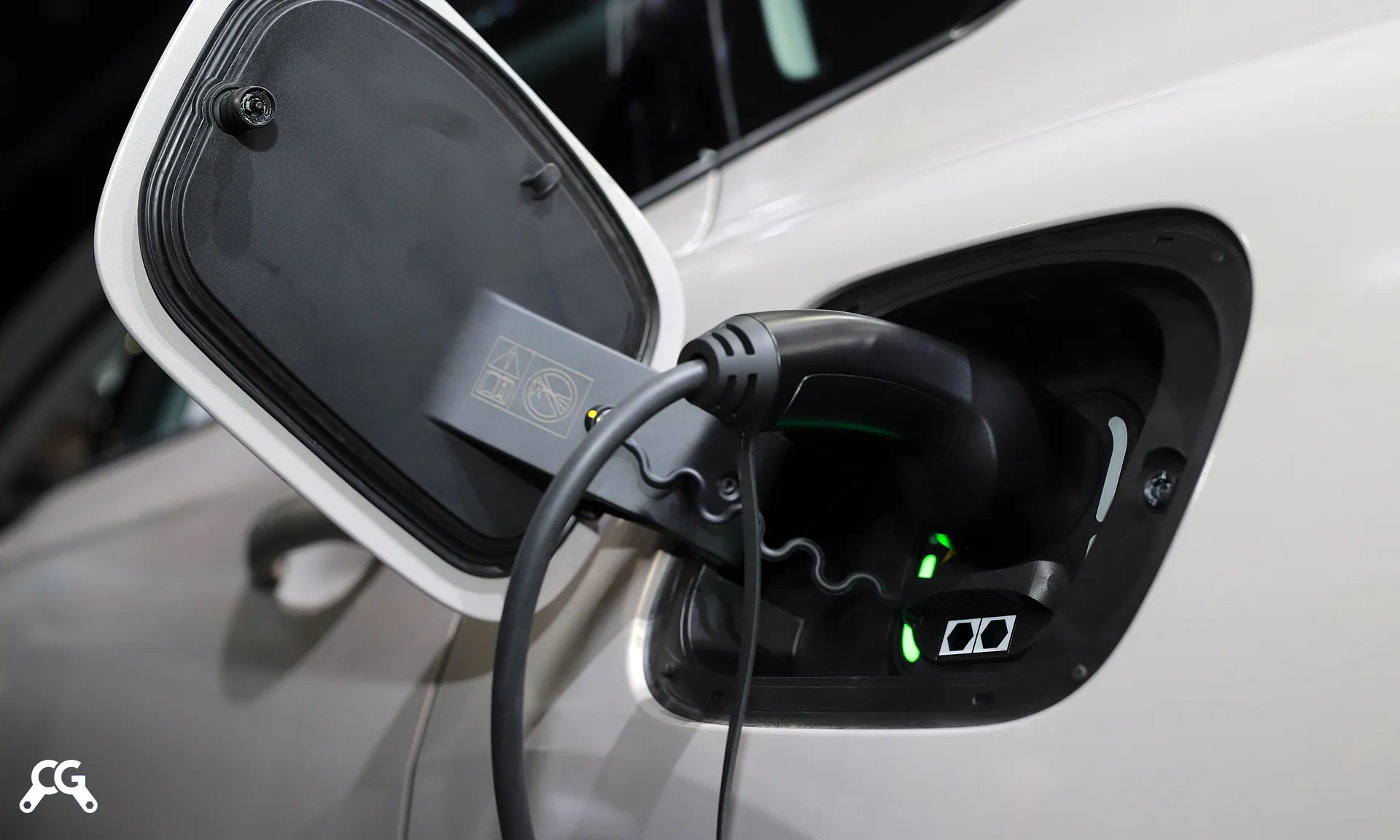
MOT testers visually inspect all high-voltage cables, connectors, and the battery pack housing for damage, corrosion, or insecure mounting. They're looking for orange cables (which typically indicate high-voltage systems in EVs) that show wear, exposed copper, or damaged insulation. The charging port gets examined for damage, as do any visible cooling systems for the battery or motor. Dashboard warning lights related to the electric drivetrain are checked – any active warnings typically result in failure.
Standard Safety Components
Your EV undergoes identical checks for tyres (tread depth, condition, pressure monitoring systems), lights (headlamps, indicators, brake lights), suspension components, steering systems, and seatbelts. The windscreen is examined for damage in the driver's view zone. Body structure and corrosion checks remain the same, as do examinations of doors, bonnet, and boot operation. These standard elements form the bulk of any electric car MOT test.
Check Common Car Problems
Search 559 million UK MOT records by year, make and model.
Know what the work should cost — get prices from garages near you
Unique Considerations for Heavy EVs
Battery packs add significant weight to electric vehicles, typically 300-600kg more than equivalent petrol cars. This extra mass places additional stress on suspension components, tyres, and braking systems. MOT examiners pay particular attention to suspension wear, tyre condition, and brake efficiency. Worn shock absorbers or damaged suspension bushes appear more frequently in EVs due to this increased weight, potentially causing failures that conventional vehicles might avoid.
Hybrid Car MOT: What Changes for Plug-In and Self-Charging Hybrids
Hybrid vehicles occupy a middle ground, combining elements from both electric and conventional vehicle testing. The hybrid car MOT becomes more comprehensive as a result, covering both the combustion engine and electric powertrain systems.
Plug-in hybrids (PHEVs) undergo full emissions testing on their petrol or diesel engines, identical to conventional vehicles. The emissions standards applied depend on your vehicle's registration date, with progressively stricter limits for newer cars. Your hybrid must meet these limits even if you primarily drive in electric mode. The exhaust system, catalytic converter, and fuel system all receive thorough inspection.
Self-Charging Hybrid Specific Checks
Self-charging hybrids (also called full hybrids) have smaller batteries that recharge through regenerative braking and the petrol engine. They undergo identical emissions testing to conventional cars, as the engine runs more frequently than in PHEVs. The electric components receive visual inspections similar to pure EVs, though the high-voltage systems are typically less extensive. Both powertrain systems must function correctly for the vehicle to pass.
PHEV MOT Considerations
Plug-in hybrids receive the most comprehensive testing, combining full EV electrical system checks with complete conventional vehicle examinations. The charging port, high-voltage cables, battery pack, exhaust system, and emissions all get scrutinized. This dual nature means PHEVs have more potential failure points than either pure EVs or conventional cars. Warning lights for either system constitute failures, and both the electric motor and combustion engine must demonstrate proper operation.
5 Essential Preparation Steps for Your Electric Car MOT Test
Proper preparation significantly increases your chances of passing first time. Many EV MOT failures result from simple maintenance issues that owners could have addressed beforehand. Taking these proactive steps saves time, money, and the inconvenience of rebooking. Download our free 44 point pre-MOT inspection today.
First, check your tyre condition thoroughly. Examine all four tyres for tread depth – the legal minimum is 1.6mm across the central three-quarters of the tread, but consider replacing them at 3mm for safety. Look for uneven wear patterns, which might indicate suspension or alignment issues. Check tyre pressures match your manufacturer's recommendations, found on a label inside the driver's door frame or in your owner's manual.
Battery and Electrical System Checks
Ensure your 12V auxiliary battery is healthy – yes, EVs still have these traditional batteries for lights, wipers, and electronics. A weak 12V battery can trigger warning lights that cause MOT failures. Charge your main traction battery to at least 50% capacity before the test, allowing the examiner to properly assess dashboard displays and warning lights. Check that your charging port door opens smoothly and the connector housing shows no damage.
Lights, Wipers, and Visibility
Walk around your EV checking every light functions correctly: headlamps (dipped and main beam), sidelights, rear lights, brake lights, indicators, rear fog lights, and number plate illumination. Replace any blown bulbs immediately. Test your windscreen wipers across all speed settings, ensuring blades don't leave streaks or miss patches. Clean your windscreen inside and out, and check for chips or cracks in the driver's view zone – anything larger than 10mm causes failure.
Brakes and Warning Lights
Test your brakes in a safe location, confirming they feel responsive without pulling to one side. Check your brake fluid level – though EVs use brakes less due to regenerative systems, the fluid still requires monitoring. Most importantly, start your EV and examine the dashboard for any persistent warning lights. Orange or red warnings related to braking, steering, battery, or charging systems typically result in failure. If warning lights appear, diagnose and resolve issues before booking your MOT.
Common Electric Car MOT Failures and How to Avoid Them
Understanding typical failure points helps you prevent them. Data from DVSA testing centres reveals that electric vehicles generally show similar failure rates to conventional cars, around 30% for vehicles aged 3-5 years, though the specific failure reasons differ.
Tyre condition remains the most common failure point across all vehicle types, including EVs. The instant torque delivery from electric motors can accelerate tyre wear, particularly on the driven axle. Combined with the heavy weight of battery packs, this creates increased wear compared to equivalent petrol cars. Uneven wear patterns often indicate suspension or alignment problems that require attention beyond simple tyre replacement.
Dashboard warning lights cause frequent EV failures. Any persistent warnings related to the high-voltage battery system, charging system, or electric drivetrain constitute automatic failures. These might indicate genuine faults or simply outdated software requiring dealer updates. Unlike conventional cars where some warning lights don't prevent MOT passes, EV-specific warnings are taken extremely seriously due to high-voltage safety concerns.
Brake System Issues in Electric Vehicles
Paradoxically, regenerative braking can contribute to MOT brake failures. Because conventional brakes are used less frequently, brake discs can develop surface corrosion that reduces efficiency. Brake callipers may seize partially due to infrequent use. Before your MOT, perform several hard stops from moderate speed (in safe conditions) to clean the discs and ensure calipers move freely. If you hear grinding or feel vibration, have your brakes inspected professionally before the test.
Suspension and Structural Concerns
Battery weight stresses suspension components more than in conventional vehicles. Worn shock absorbers, damaged coil springs, and deteriorated bushes appear more frequently in EVs. During your pre-MOT checks, push down firmly on each corner of your vehicle – it should bounce once and settle. Multiple bounces indicate worn dampers. Listen for clunks or rattles over bumps, suggesting suspension wear. Any corrosion around battery mounting points or structural members will be examined closely.
Finding MOT Testing Centres for Electric Vehicles
Not every MOT testing centre has examiners fully confident with electric vehicle systems, though legally any authorized facility can test EVs. In 2026, DVSA has expanded training programmes, and most testing stations now regularly handle electric cars as EV numbers have grown substantially.
When looking for MOT Test Centres, consider choosing facilities that advertise EV expertise or handle electric vehicles frequently. While the MOT test itself doesn't differ legally, examiners experienced with EVs are less likely to raise queries about unusual (but normal) EV characteristics. They'll understand that certain conventional checks don't apply and efficiently navigate EV-specific inspections.
Many franchised dealers for EV brands offer MOT testing alongside servicing. This provides convenience if you're combining both appointments, though prices may be higher than independent testing stations. Independent garages increasingly handle electric vehicles confidently, often at more competitive rates. The key is ensuring the facility is DVSA-authorized – check for the official blue MOT sign.
What to Ask When Booking Your EV MOT
When contacting testing centres, confirm they regularly test electric vehicles and ask whether any examiners specialize in EVs. Enquire about pricing – MOT tests have a maximum fee set by government (currently £54.85 for cars as of March 2026), but facilities can charge less. Ask if they can accommodate any immediate repairs should your vehicle fail, saving you a return journey. For convenience, many centres now offer online booking systems that confirm your appointment instantly.
Frequently Asked Questions
Do electric cars need an MOT in the UK?
Yes, electric cars require an annual MOT test once they reach three years old, identical to petrol and diesel vehicles. The legal requirements remain the same, with tests covering safety-critical components like brakes, tyres, lights, suspension, and steering. The only difference is that EVs skip emissions testing and fuel system checks, whilst receiving visual inspections of high-voltage electrical components instead.
What is checked during an electric car MOT test?
An electric car MOT test examines all standard safety components including brakes, tyres, lights, suspension, steering, seatbelts, and windscreen condition. Additionally, testers visually inspect high-voltage cables, battery pack security, electric motor mountings, and charging port condition. Dashboard warning lights related to the electric drivetrain are checked, with any active warnings typically causing failure. Emissions testing and fuel system checks are omitted.
Is an EV MOT cheaper than a conventional car MOT?
No, the MOT test costs the same for electric vehicles as for petrol or diesel cars. The government sets a maximum fee of £54.85 (as of March 2026) for cars, regardless of fuel type. While the test may take slightly less time due to omitted emissions checks, testing centres charge identical rates. However, EVs may face lower repair costs if they fail, as common issues like exhaust system problems don't apply.
What's different about a hybrid car MOT compared to a pure EV?
Hybrid vehicles undergo more comprehensive testing than pure EVs, combining conventional vehicle checks with electric system inspections. Plug-in and self-charging hybrids require full emissions testing on their petrol or diesel engines, exhaust system examination, and fuel system checks, alongside visual inspections of their high-voltage electrical components. This means hybrids have more potential failure points than either pure EVs or conventional vehicles alone.
Local Insights
UK-wide, electric vehicle MOT testing follows DVSA standards uniformly across England, Scotland, Wales, and Northern Ireland. British weather conditions – particularly road salt used during winter months – can accelerate corrosion on battery pack housings and high-voltage cable mountings, making regular inspections crucial. The UK's variable climate also affects tyre wear patterns, with wet conditions demanding good tread depth beyond legal minimums. Most urban areas now have multiple MOT centres experienced with EVs, whilst rural locations may have fewer specialized facilities. Regardless of location, all DVSA-authorized testing stations can legally conduct electric car MOT tests, though examiner experience with EVs may vary between facilities.
Conclusion
Understanding what's different about an electric car MOT UK test helps you prepare properly and avoid unnecessary failures. While EVs skip emissions testing and fuel system checks, they undergo thorough inspections of safety-critical components and high-voltage electrical systems. The legal requirements remain identical to conventional vehicles – your EV needs annual testing once it reaches three years old, with the same consequences for driving without a valid certificate. Focus your pre-MOT preparation on tyres, lights, brakes, and ensuring no dashboard warning lights are active. Whether you drive a pure electric vehicle or a hybrid, knowing what gets checked gives you confidence and helps maintain your EV's roadworthiness. Find trusted garages offering electric car MOT testing near you through our comprehensive directory, connecting you with experienced testing centres across Britain ready to handle your EV's annual inspection professionally and efficiently.