Vauxhall Astra Common Problems: What 17.9 Million MOT Tests Reveal (2005-2024 DVSA Data)
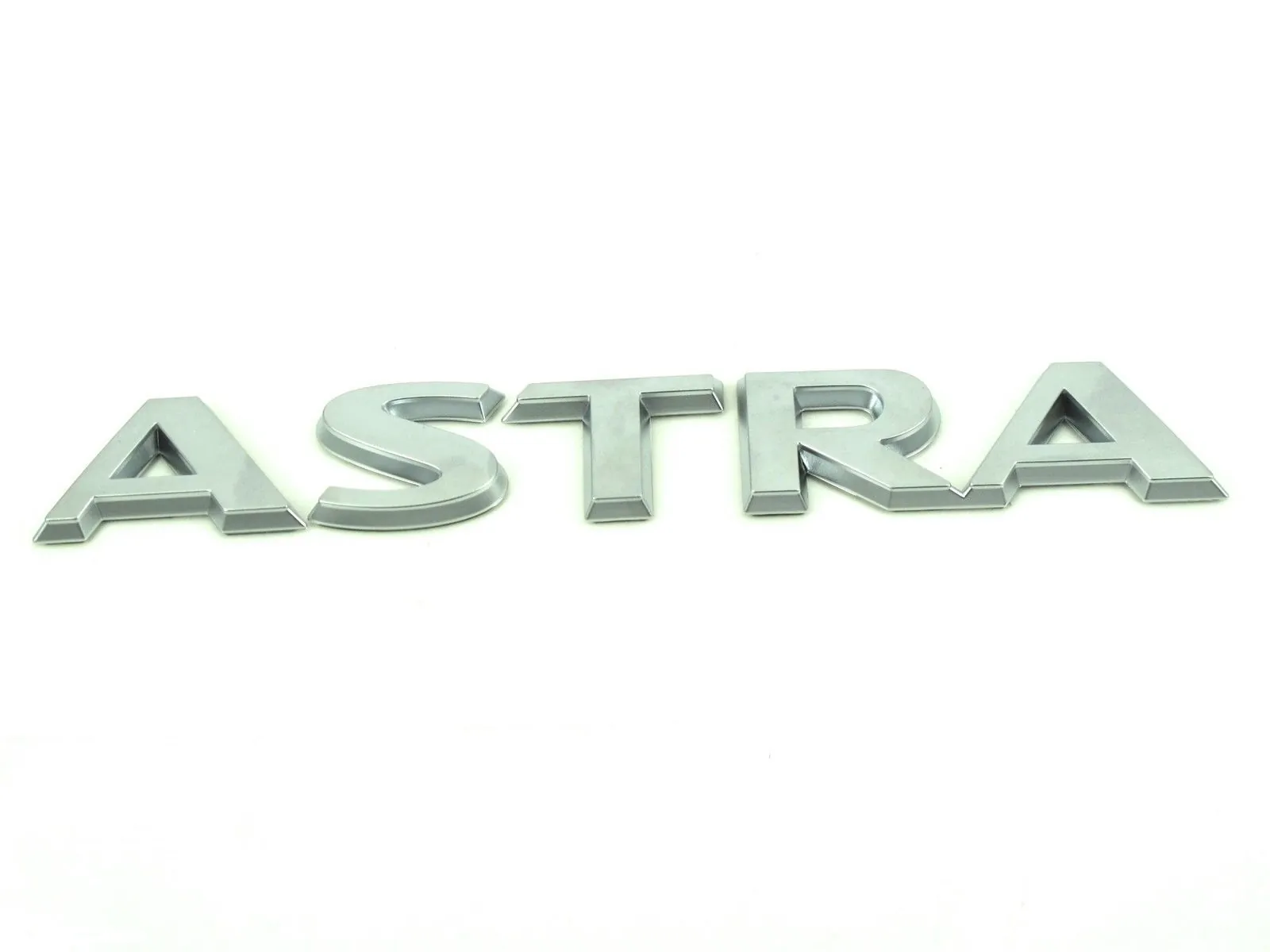
The Vauxhall Astra is one of Britain's most-tested cars, with 17,949,881 MOT tests recorded between 2005 and 2024 – roughly one in every 31 tests carried out nationwide. This analysis covers the 16,807,481 individual failure items recorded across those tests: exactly where Astras fail, which generations struggle, and how the model compares with the wider UK fleet. Whether you're buying an Astra, already own one, or just want to know what keeps these family cars off the road, the numbers beat guesswork.
How the Astra Compares to the UK Fleet
Where the Astra differs from the UK fleet
Each category's share of Astra MOT failures vs its share across all UK cars · 1.0x = the UK average · categories under 2% of Astra failures excluded
Across all generations tested between 2005 and 2024, the Vauxhall Astra records a 62.02% MOT pass rate, sitting 3.1 percentage points below the UK fleet average of 65.12%. It accounts for 3.21% of all UK MOT tests but 4.08% of all recorded failure items. Here is how each category's share of Astra failures compares with its share across every UK car:
- Exhaust: 8.72% of Astra failures vs 5.53% nationally – 1.58x the UK average, from 1,464,946 recorded items
- Brakes: 20.05% vs 18.07% – 1.11x
- Suspension: 21.24% vs 20.44% – 1.04x, essentially in line
- Electrical: 21.96% vs 23.58% – 0.93x
- Tyres & wheels: 13.02% vs 14.04% – 0.93x
- Bodywork: 11.80% vs 13.81% – 0.85x
- Steering: 2.57% vs 3.10% – 0.83x, the Astra's biggest under-index
An over-index is a pattern, not a proven cause. It tells you exhaust failures make up a bigger slice of the Astra's failure record than of the average car's – not that Astra exhausts are made badly. These figures measure roadworthiness at test points, which reflects fleet age, mileage and maintenance history as much as anything about the car itself. For context, you can see how exhaust problems across UK cars break down, or compare against common problems across the Vauxhall range.
The 10 Most Common Vauxhall Astra MOT Failures
Ten items account for 56.6% of every failure recorded on an Astra in twenty years. Suspension and brake corrosion lead, tyres follow, and then comes a tail of cheap, easily-missed maintenance items:
- Coil spring broken or corroded – 1,396,672 (8.31%)
- Brake hydraulic component worn – 1,364,868 (8.12%)
- Tyre tread depth below limit – 1,280,058 (7.62%)
- Suspension joint or bush worn – 990,854 (5.90%)
- Tyre condition – 808,541 (4.81%)
- Wiper blades deteriorated – 788,827 (4.69%)
- Number plate lamp not working – 750,204 (4.46%)
- Stop lamp not working – 740,634 (4.41%)
- Exhaust system fault – 706,547 (4.20%)
- Windscreen washer not working – 686,541 (4.08%)
The top two alone – coil springs and brake hydraulics – make up 16.43% of every Astra failure item on record. Add the two tyre entries (12.43% between them) and four items cover more than a quarter of the total. The bottom half of the list is striking for a different reason: wiper blades, a number plate bulb, a brake light and a washer jet rank among the ten most common reasons an Astra fails its MOT, and every one is trivial to check the week before. The full breakdown appears in the full Vauxhall Astra MOT data.
Suspension and Steering
Suspension accounts for 21.24% of Astra failures, marginally above the 20.44% UK average, and it supplies two of the top four items: broken or corroded coil springs, and worn joints or bushes. Both are gradual corrosion-and-wear items rather than sudden faults, which is why they show up across every generation. Steering is the Astra's strongest relative showing, at 2.57% of failures against 3.10% nationally.
Brakes
Brakes make up 20.05% of Astra failure items, running 11% above the UK fleet average. Worn hydraulic components lead the count at 1,364,868 recorded failures – the category covering master cylinders, pipes, hoses and seals. Brake performance below the minimum standard and worn pads or linings also appear in the Astra's top 15 items.
Check Common Car Problems
Search 559 million UK MOT records by year, make and model.
Find a Trusted Garage Near You — Search over 10,000 verified UK garages
Why Exhaust Stands Out
Exhaust is the Astra's one substantial over-index: 8.72% of its failures against 5.53% across UK cars. Two things drive the number. "Exhaust system fault" is the ninth most common individual item at 706,547 recorded failures, and the category reaches 1,464,946 items once emissions-related entries such as catalytic converter efficiency are counted.
What the data does not do is explain the cause. An MOT records that an exhaust failed, not why it failed. We can say the Astra fails on exhaust more often than the average UK car does; we cannot attribute that to a design decision, a material or a driving pattern without evidence we don't hold.
MOT Pass Rates by Astra Generation: an Age Curve, Not a Quality Ladder
Vauxhall Astra MOT outcomes by generation
Every recorded Astra MOT test, 2005-2024, split into passes and failures · the five generations with over 100,000 tests
Pass rates climb with every newer generation from the Mk3 onward:
- Mk3 (1991-1998), Astra F – 47.79% pass rate, 1,597,187 tests, cars now 28-35 years old
- Mk4 (1998-2004), Astra G – 55.75%, 5,428,815 tests, now 22-28 years old
- Mk5 (2004-2009), Astra H – 62.58%, 5,847,695 tests, now 17-22 years old
- Mk6 (2009-2015), Astra J – 70.09%, 3,866,483 tests, now 11-17 years old
- Mk7 (2015-2021), Astra K – 81.77%, 1,158,459 tests, now 5-11 years old
Read the age alongside the pass rate and the pattern explains itself. This is an age curve, not evidence that later Astras are made better: our analysis of how UK MOT failure rates climb with a car's age shows cars of any badge reach roughly a 44% failure rate by age 18. A newer generation passes more often because its cars are younger.
The Oldest Astras Break the Pattern
The curve is U-shaped rather than a straight climb. The Mk1 (1980-1984) records a 59.42% pass rate across 2,533 tests despite those cars now being 42-46 years old – comfortably better than the far younger Mk3. The Mk2 (1984-1991) manages 49.05% across 48,638 tests at 35-42 years old.
That is survivorship, not engineering. A 45-year-old Astra still being presented for an MOT is a cherished, restored or lightly-used car; the neglected ones left the road decades ago. The same analysis of UK MOT failure rates by car age found failure rates fall for cars beyond 30 years old across the whole UK fleet for exactly this reason. Both generations are also tiny samples next to the millions of tests behind the Mk4 to Mk7, which is why the chart above plots only the five high-volume generations.
Astra J (Mk6, 2009-2015)
The Astra J (2009-2015) MOT data shows a 70.09% pass rate across 3,866,483 tests. At 11-17 years old, these cars sit in the stretch of the age curve where failure rates rise fastest, and their failure profile matches the Astra pattern overall: corrosion-led suspension and brake items first, tyres and lighting close behind.
Astra K (Mk7, 2015-2021)
The Astra K (2015-2021) MOT data records an 81.77% pass rate across 1,158,459 tests – the highest of any Astra generation, and at 5-11 years old also the youngest sizeable one. Its failures mirror the wider Astra pattern at lower frequency.
What Astra Owners Should Check Before an MOT
The failure data points at a short list of cheap checks worth doing before the test rather than after it:
- Tyres: tread depth at all four corners (the 20p test is a reasonable guide – the coin's outer band should be hidden inside the main grooves), plus sidewalls for cuts, bulges or exposed cord. Tyre items are 12.43% of Astra failures
- Lights: every bulb, including the rear number plate lamp and the brake lights – both sit in the Astra's top eight failure items
- Wiper blades: perished rubber accounts for 788,827 recorded failures
- Washers: an empty reservoir or a blocked jet accounts for 686,541
- Visible corrosion: coil springs and brake pipes are the Astra's two biggest failure items, and both fail on rust
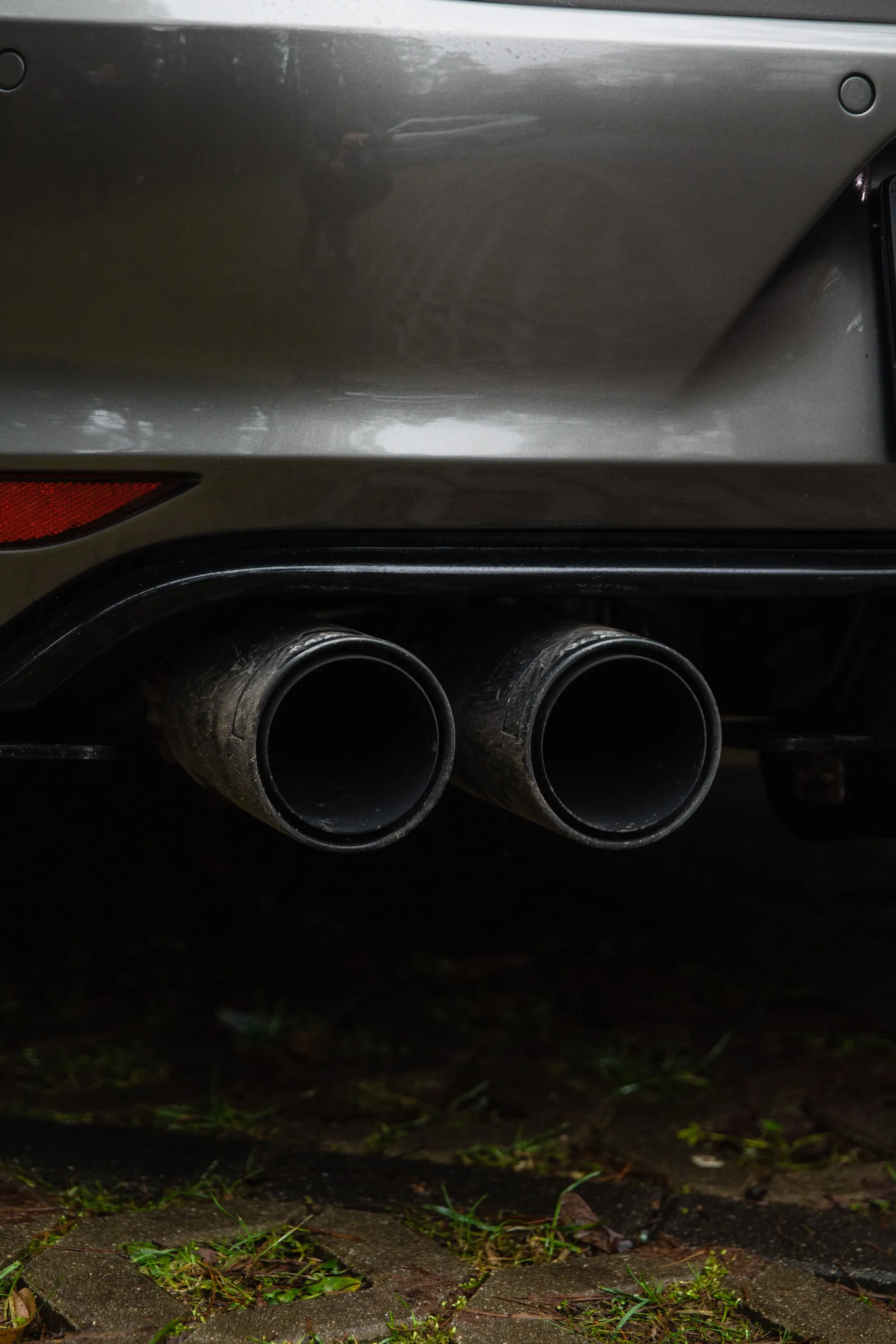
- Exhaust: blowing, hanging loose or rusted through will fail on the day
Between them those six checks cover the majority of what actually fails. If anything looks marginal, having a garage look before you book gives you time to source parts rather than face a retest. You can also set a free MOT reminder so the date doesn't arrive unannounced.
Does Fleet Age Explain the Gap?
It is tempting to write off the Astra's 62.02% pass rate as a simple consequence of old cars. The data doesn't really support that.
Across the Vauxhall brand as a whole, the average car taking an MOT in 2024 was 10.45 years old, against a UK average of 10.29 – a difference of roughly two months. Vauxhalls are also less likely to be very old than the national average: 7.34% of their 2024 tests were on cars aged 18 or over, against 9.90% across the UK.
What does stand out is the middle of the range. 64.46% of Vauxhall tests in 2024 were on cars aged 8 to 17, against 55.20% nationally – the band where corrosion-led failures start to bite. So the fleet isn't unusually old so much as unusually concentrated in middle age.
Even that is a partial explanation, and it's worth being straight about the limits: those age figures cover the Vauxhall brand rather than the Astra specifically, and a single year rather than the full two decades. MOT data records what failed, not why. It cannot separate the effects of age, mileage, how much owners spend on upkeep, and the car itself. A 3-point pass-rate gap does not prove anything about engineering, and anyone telling you it does is reading more into the number than it holds. Our methodology page sets out exactly how these figures are built from DVSA records.
Frequently Asked Questions
What is the single most common Vauxhall Astra MOT failure?
A broken or corroded coil spring, recorded 1,396,672 times between 2005 and 2024 – 8.31% of all Astra failure items. It is a corrosion and wear item, which is why it appears across every generation.
Do newer Astra generations pass MOTs more often because they're better built?
No – newer generations pass more often because the cars are younger. The Mk7 (2015-2021) records an 81.77% pass rate at 5-11 years old, while the Mk3 (1991-1998) manages 47.79% at 28-35 years old. The same age curve affects every make: UK cars reach roughly a 44% failure rate by age 18 regardless of badge.
Why does the Astra fail on exhaust at 1.58 times the UK average?
Our data shows that it does, not why. Exhaust items make up 8.72% of Astra failures against 5.53% across UK cars, from 1,464,946 recorded items. An MOT records that an exhaust failed, not the cause, so the gap cannot be attributed to any particular design or driving pattern from this data alone.
Which Vauxhall Astra generation has the lowest MOT pass rate?
The Mk3 (1991-1998), or Astra F, at 47.79% across 1,597,187 tests. Those cars are now 28-35 years old, well into the range where UK cars of any make fail frequently. The older Mk1 and Mk2 actually pass more often, because only cherished examples of that age remain on the road.
How many Astras are in the MOT data?
17,949,881 recorded Astra MOT tests between 2005 and 2024 – about one in every 31 tests carried out in Britain over that period, covering 16,807,481 individual failure items.
Conclusion
Twenty years and 17,949,881 MOT tests give a clear picture of what actually fails on a Vauxhall Astra: corroded coil springs and worn brake hydraulics first, tyres next, then a tail of bulbs, blades and washers that cost very little to put right. Exhaust is the one category where the Astra genuinely diverges from the national pattern, at 1.58 times the UK average.
The generational climb from 47.79% to 81.77% is an age curve rather than a story about engineering, and the Astra's 3-point gap to the UK average isn't explained by an old fleet – Vauxhalls at test are barely older than average. What the data does support is practical: most of what fails an Astra is visible, cheap and checkable before you book. If something needs attention, you can find a local garage through our directory.